When to Start Taking Fertility Supplements: A Timeline for Trying to Conceive


When to Start Taking Fertility Supplements: A Timeline for Trying to Conceive
One of the most common questions asked in fertility forums, GP surgeries, and fertility clinics across the UK is: when should I start taking fertility supplements? The answer is more nuanced—and more important—than most people realise. Supplement timing can affect egg quality, sperm health, and the nutritional environment your embryo develops in. Getting it right is one of the highest-value, lowest-cost steps on the path to parenthood.
This guide covers the science of fertility supplement timing, what to take and when, and how Conceive Plus supports the UK's growing community of couples navigating the TTC journey.
Why Timing Your Fertility Supplements Matters
Fertility supplements are not like paracetamol—they do not produce instant effects. Most of them work by improving the underlying biological quality of eggs and sperm over weeks and months. To understand why timing matters, it helps to understand the biology:
- Egg development (folliculogenesis) begins approximately 90–120 days before ovulation. The nutritional environment during this entire period influences the quality of the egg released each cycle.
- Sperm development (spermatogenesis) takes approximately 72–74 days from stem cell to mature sperm. Any supplement taken today will affect sperm quality in about 10–11 weeks.
This means that starting fertility supplements the week you decide to try to conceive is better than starting nothing—but starting three to six months before is significantly more effective. The goal is to create the optimal nutritional environment long before sperm meets egg.
The Ideal Fertility Supplement Timeline (3–6 Months Before TTC)
Ready to give your fertility the support it deserves?
Here is a practical timeline for couples beginning or optimising their supplement regimen:
6 Months Before Trying to Conceive
This is the gold standard window. Starting supplements here gives:
- Folate/folic acid adequate time to build tissue stores (neural tube protection benefits from maternal stores built over months, not days)
- CoQ10 time to accumulate in ovarian and mitochondrial tissue and improve egg energy metabolism
- Vitamin D time to correct any deficiency (seasonal deficiency is extremely common in the UK)
- Omega-3 fatty acids time to incorporate into cell membranes throughout the reproductive system
- Male supplements time to influence the sperm that will be ejaculated at ovulation
3 Months Before Trying to Conceive
Still well within the window for meaningful benefit. This timing aligns with the spermatogenesis cycle and covers the late stages of folliculogenesis for the next two to three cycles. Starting now is the most common practical recommendation from fertility specialists and gynaecologists.
1 Month Before Trying to Conceive
Better than nothing, but some nutrients (especially CoQ10 and vitamin D) will have less time to reach therapeutic tissue levels. Folate is still important to begin immediately—neural tube defects can occur in the earliest days after conception, before many women know they are pregnant.
Once Already Trying to Conceive
Start immediately. Do not wait for a "perfect time." The sooner you begin, the sooner your body builds the nutritional foundation needed for conception and early pregnancy.
Key Fertility Supplements for Women: What to Take and Why
Folate (or Folic Acid)
The NHS recommends 400 micrograms of folic acid daily for all women trying to conceive and for the first 12 weeks of pregnancy. Folate is critical for DNA synthesis and cell division—processes that are happening at extraordinary speed in early embryo development. Many women benefit from methylfolate (the active form) rather than synthetic folic acid, particularly those with the MTHFR genetic variant that impairs folic acid conversion.
CoQ10 (Ubiquinol)
Coenzyme Q10 is one of the most extensively researched fertility supplements for women. Eggs require an enormous amount of cellular energy to complete meiosis (the process of halving their chromosome number before fertilisation). CoQ10 is essential to mitochondrial energy production. Studies in older women—where egg quality is a primary concern—have shown that CoQ10 supplementation can improve ovarian response and egg quality markers. Start at 200–600 mg/day at least three months before trying to conceive.
Vitamin D
UK data consistently shows that 40–60% of adults are vitamin D deficient or insufficient, with deficiency rates higher in winter months and in people with darker skin tones. Vitamin D receptors exist throughout the reproductive system, and low vitamin D is associated with reduced fertility, higher miscarriage risk, and poorer IVF outcomes. Test your levels and supplement to achieve 100–150 nmol/L. A daily dose of 1,000–4,000 IU is typically required to correct deficiency.
Omega-3 Fatty Acids (DHA/EPA)
DHA is critical for early brain and eye development in the embryo. It also plays a role in prostaglandin production and implantation. Omega-3 supplementation improves ovarian function markers and is associated with better fertility outcomes. Aim for at least 200–300 mg DHA daily from a high-quality fish oil or algae-based source (for vegetarians/vegans).
Iron
Iron deficiency is common in women of reproductive age and is associated with anovulation (failure to ovulate) and reduced fertility. Have your ferritin levels tested and supplement if low—ideally with a gentle iron form such as ferrous bisglycinate.
Iodine
Iodine is critical for thyroid function, which directly governs reproductive hormone balance. UK women are often mildly iodine deficient due to lower dairy consumption. The WHO recommends 150–250 mcg/day for women planning pregnancy.
Key Fertility Supplements for Men: The Timeline Is Different
Men need to start supplements approximately 3 months before their partner's fertile window they want to optimise—accounting for the full spermatogenesis cycle. Key nutrients include:
- Zinc: Essential for testosterone production and sperm maturation. Deficiency is directly associated with low motility and poor morphology. 15–30 mg/day.
- Selenium: Powerful antioxidant for sperm DNA protection. Studies link selenium supplementation with improved motility. 55–200 mcg/day.
- CoQ10: Supports mitochondrial energy in the sperm midpiece—the engine of the sperm tail. 200–400 mg/day ubiquinol form.
- L-Carnitine: Critical for fatty acid metabolism in sperm. Shown to improve both motility and morphology in clinical trials. 1–2 g/day.
- Vitamin C and E: Antioxidant protection against oxidative stress (ROS), which is a leading cause of sperm DNA fragmentation. 500–1,000 mg vitamin C; 400 IU vitamin E.
- Folate: Male folate intake is associated with sperm DNA quality. 400 mcg/day.
Conceive Plus Supplements: Comprehensive, Clinically Formulated
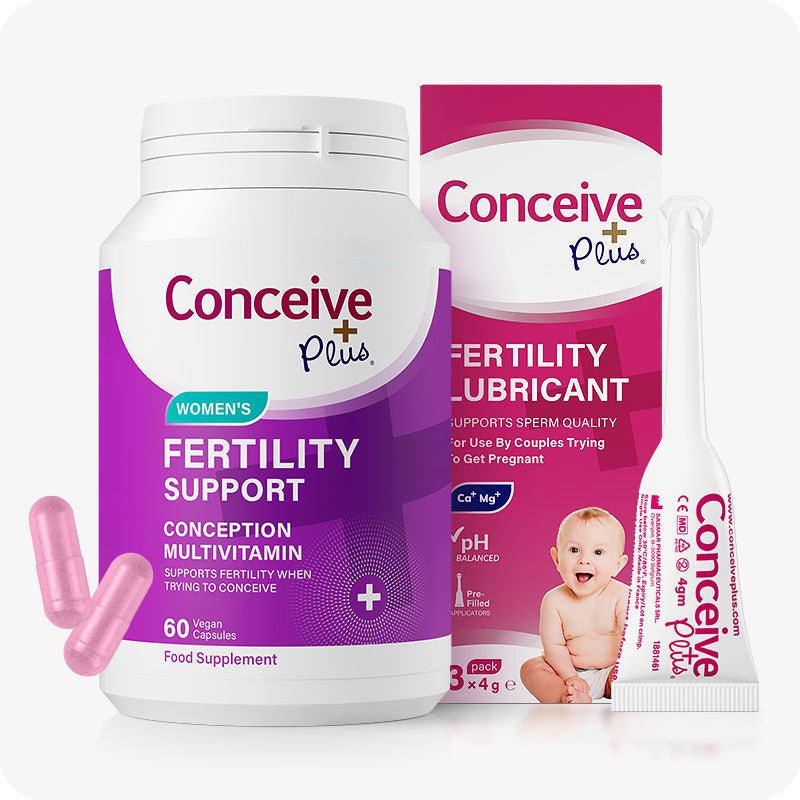
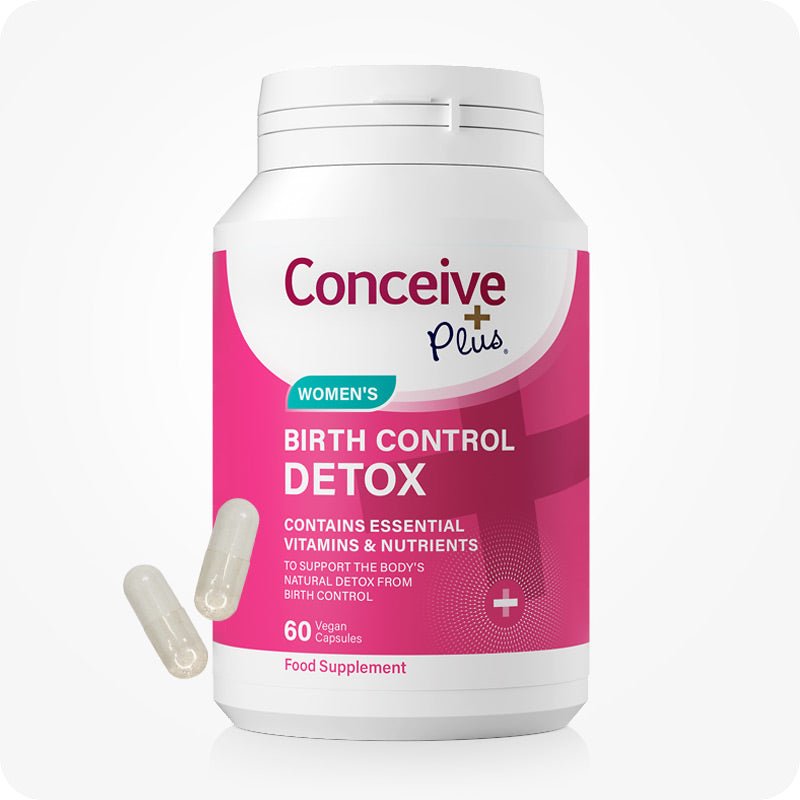
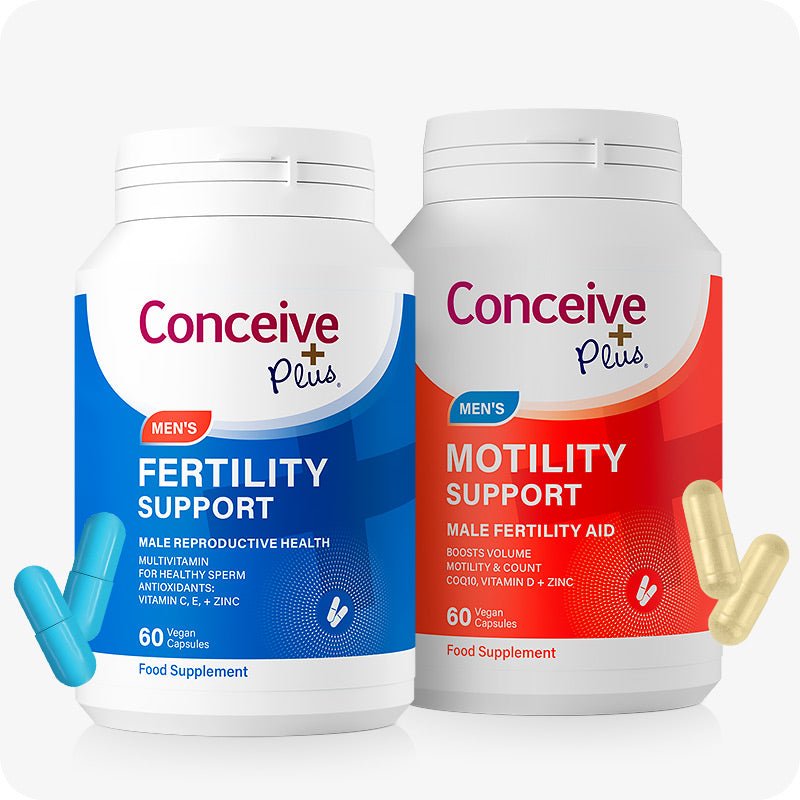
Conceive Plus has developed a complete range of fertility supplements designed for both women and men, with formulations that reflect current evidence on fertility nutrition. Rather than piecing together six or eight separate supplements, Conceive Plus supplements deliver the key nutrients in clinically appropriate doses within a single daily regimen—making it practical and ensuring you do not inadvertently double-up on fat-soluble vitamins or miss critical cofactors.
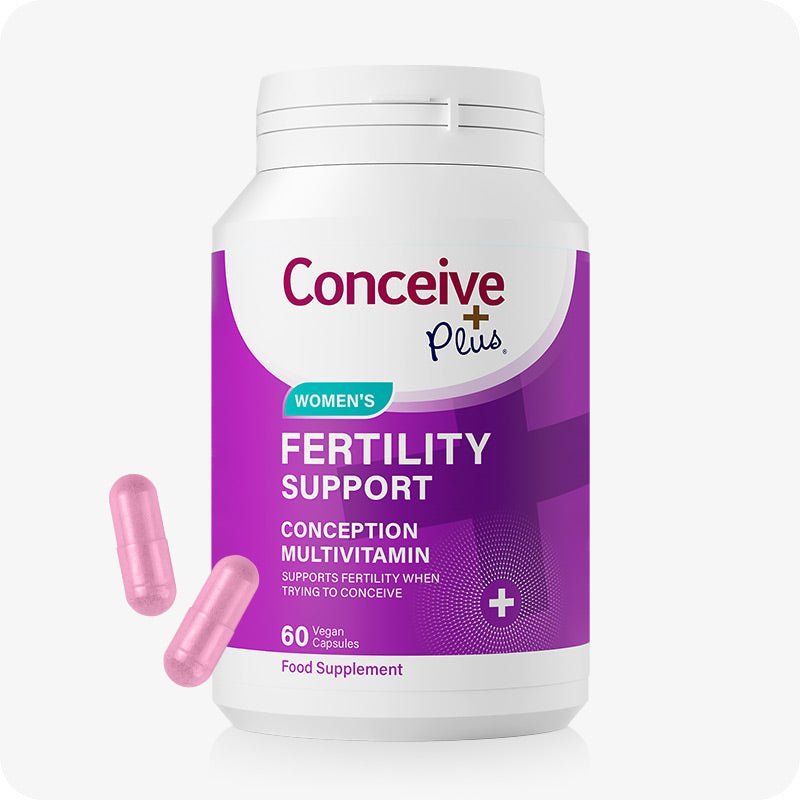
The Conceive Plus Women's Fertility Support supplement includes folate, CoQ10, vitamin D, iron, iodine, omega-3 DHA, and key antioxidants—everything a woman preparing for pregnancy needs in one convenient capsule. The Men's Motility Support formula provides zinc, selenium, CoQ10, L-carnitine, and vitamin C/E in a single daily dose optimised for spermatogenesis support.
Start your Conceive Plus supplement regimen now, and give yourself the three-to-six month window that gives your fertility the best possible foundation.
What to Look for on Supplement Labels
Not all fertility supplements are created equal. Key quality indicators:
- Methylfolate over folic acid where possible (better bioavailability, especially for MTHFR variants)
- Ubiquinol over ubiquinone for CoQ10 (pre-reduced, better absorbed)
- D3 over D2 for vitamin D (more effective at raising serum levels)
- No artificial colours, fillers, or excipients that may interfere with absorption
- Third-party tested for purity and label accuracy
- Clear dosage information that aligns with published research recommendations
Common Mistakes With Fertility Supplement Timing
Starting Too Late
The most common mistake. Many couples begin supplements the month they start trying and wonder why they are not seeing results. Remember: egg development spans 90–120 days; sperm development spans 72 days. Supplements need time.
Taking the Wrong Form
Synthetic folic acid (for those with MTHFR variants), ubiquinone CoQ10 (instead of ubiquinol), vitamin D2 (instead of D3)—form matters. Always check the label.
Inconsistent Use
Fertility supplements need to be taken daily to maintain adequate tissue levels. Occasional or inconsistent use delivers far less benefit than sustained daily intake.
Ignoring the Male Partner
Male factor infertility contributes to approximately 40–50% of all fertility challenges. Yet male supplement use rates lag far behind female rates. If you are trying to conceive as a couple, both partners need to be on a fertility supplement programme—starting at the same time, 3–6 months before TTC.
Frequently Asked Questions: Fertility Supplement Timing
Q: How long does it take for fertility supplements to work?
The minimum meaningful benefit for most supplements is 8–12 weeks—aligned with sperm and egg development cycles. For maximum benefit, 3–6 months of consistent supplementation before actively trying is the clinical recommendation.
Q: Should I take fertility supplements during the two-week wait?
Yes. Continue all prenatal and fertility supplements throughout the TWW and into early pregnancy. Folate is especially critical in the first 28 days of embryonic development, which often occurs before a positive pregnancy test.
Q: Can I take too many fertility supplements?
Fat-soluble vitamins (A, D, E, K) can accumulate and cause toxicity at very high doses. Water-soluble vitamins are generally safer in excess. Always stay within recommended ranges, and use a comprehensive supplement like Conceive Plus rather than stacking multiple individual products, which risks inadvertent overdosing on certain nutrients.
Q: Are fertility supplements safe with other medications?
Some supplements interact with medications—for example, high-dose vitamin E can interact with blood thinners. Always disclose all supplements to your GP or fertility specialist, particularly if you are taking any prescription medications.
Q: Do fertility supplements help with unexplained infertility?
Potentially, yes. Oxidative stress, subclinical nutritional deficiencies, and egg quality issues that do not show up in standard fertility testing are plausible contributors to unexplained infertility. Comprehensive supplement programmes have been associated with improved outcomes in this group.
Q: Should I stop supplements after a positive pregnancy test?
No—switch to a comprehensive prenatal supplement if you are not already on one, and continue throughout pregnancy. Many fertility supplements (folate, vitamin D, DHA, iron) are equally important during pregnancy as they are during the TTC phase.
Q: Do supplements replace a healthy diet?
No supplement replaces a nutrient-dense whole-food diet. Supplements fill gaps and ensure optimal levels of specific fertility-critical nutrients—but they work best alongside a diet rich in vegetables, quality proteins, healthy fats, and whole grains.
Q: Is it safe to take fertility supplements while undergoing IVF?
Generally yes, and many fertility supplements (particularly CoQ10 and vitamin D) have been specifically studied in IVF populations with positive outcomes. Always discuss your supplement regimen with your IVF clinic before starting your protocol cycle, as some clinics have specific guidance.
Summary
The best time to start taking fertility supplements is three to six months before you plan to try to conceive—giving egg and sperm development cycles enough time to benefit from improved nutritional support. The second-best time is right now. Conceive Plus offers comprehensive, clinically formulated fertility supplements for women and men that take the guesswork out of building your TTC nutrition protocol.
Your body is preparing for one of the most complex biological achievements in nature. Give it the nutritional foundation it deserves.
Trusted by hundreds of thousands of couples worldwide.