Ovulation Tracking: The Complete Guide for Women Trying to Conceive


Whether you've just started trying for a baby or have been on your conception journey for months, understanding exactly when you ovulate is one of the most powerful things you can do to improve your chances. Ovulation tracking gives you the ability to pinpoint your fertile window — the narrow 24–48 hour period when conception is possible — so that every month you're giving yourself the best possible opportunity. This comprehensive guide covers every evidence-based method for tracking ovulation, what the science says, and how Conceive Plus supports UK women on their TTC journey.
Understanding the Menstrual Cycle and Ovulation
Before diving into tracking methods, it helps to understand what's happening in your body each month. The menstrual cycle has two main phases:
Follicular Phase: From the first day of your period until ovulation. Follicle-stimulating hormone (FSH) from your pituitary gland stimulates a group of follicles in your ovaries to grow. One dominant follicle develops and produces increasing amounts of oestrogen. As oestrogen rises, it triggers a luteinising hormone (LH) surge — the signal for ovulation to occur.
Luteal Phase: From ovulation to the start of your next period. After ovulation, the follicle collapses and becomes the corpus luteum, which produces progesterone to prepare the uterine lining for implantation. If fertilisation doesn't occur, the corpus luteum breaks down, progesterone falls, and your period begins.
Ovulation typically occurs 24–36 hours after the LH surge. The egg is only viable for 12–24 hours after release. However, because sperm can survive in cervical mucus for up to 5 days, your fertile window extends approximately 5 days before ovulation through the day of ovulation — making it roughly a 6-day window each cycle.
For UK women, the average cycle is 28 days, but normal cycles range from 21–35 days. If your cycle varies by more than a week from month to month, you may have irregular cycles worth discussing with your GP or a fertility specialist.
Method 1: Ovulation Predictor Kits (OPKs)
Ovulation predictor kits detect the LH surge in your urine, giving you 24–36 hours advance notice of ovulation. They're one of the most widely used and validated tracking tools available.
Standard OPKs show a positive result (LH peak) when the test line is as dark as or darker than the control line. They're available at Boots, Superdrug, and most pharmacies across the UK.
Digital OPKs (such as Clearblue Advanced Digital) also detect oestrogen rise before the LH surge, giving a "flashing smiley" for 1–4 days of high fertility before the peak, then a solid smiley at the LH surge. This is particularly useful for women with irregular cycles or those who are new to tracking.
When to test: Begin testing a few days before you expect to ovulate based on your cycle length. For a 28-day cycle, start around day 10. Test at the same time each day — ideally between 10am and 8pm — and reduce fluid intake 2 hours before testing to concentrate the LH in your urine.
Research backing: A 2013 review in Human Reproduction Update confirmed OPKs as an effective and reliable method for predicting the fertile window, with sensitivity exceeding 95% for detecting the LH surge in women with regular cycles.
Limitation: Some conditions (PCOS, perimenopause) can cause multiple LH surges per cycle without actual ovulation, leading to false positives. In these cases, combining OPKs with other methods is recommended.
Method 2: Basal Body Temperature (BBT) Charting
Basal body temperature is your lowest resting body temperature, measured first thing in the morning before any activity. After ovulation, progesterone causes a sustained temperature rise of 0.2–0.5°C that persists until your period begins.
How to chart BBT: Use a digital thermometer accurate to 0.1°C (basal thermometers are more precise than standard ones). Take your temperature at the same time each morning before getting out of bed, after at least 3 consecutive hours of sleep. Record it on a chart app or paper chart.
Interpreting the chart: After some months of charting, a pattern emerges — lower temperatures in the follicular phase and a sustained rise (the "thermal shift") that indicates ovulation has occurred. The thermal shift confirms ovulation in retrospect but doesn't predict it in advance — this is the key limitation of BBT alone.
Combination approach: Pairing BBT with OPKs is highly effective. OPKs predict ovulation 24–36 hours ahead, and BBT confirms it happened. Over several months, most women can identify their personal ovulation pattern.
Apps for BBT: Fertility Friend, Natural Cycles (CE-marked in the UK for birth control), and Clue all allow detailed BBT charting with cycle analysis. Natural Cycles uses an algorithm to predict your fertile window based on BBT data.
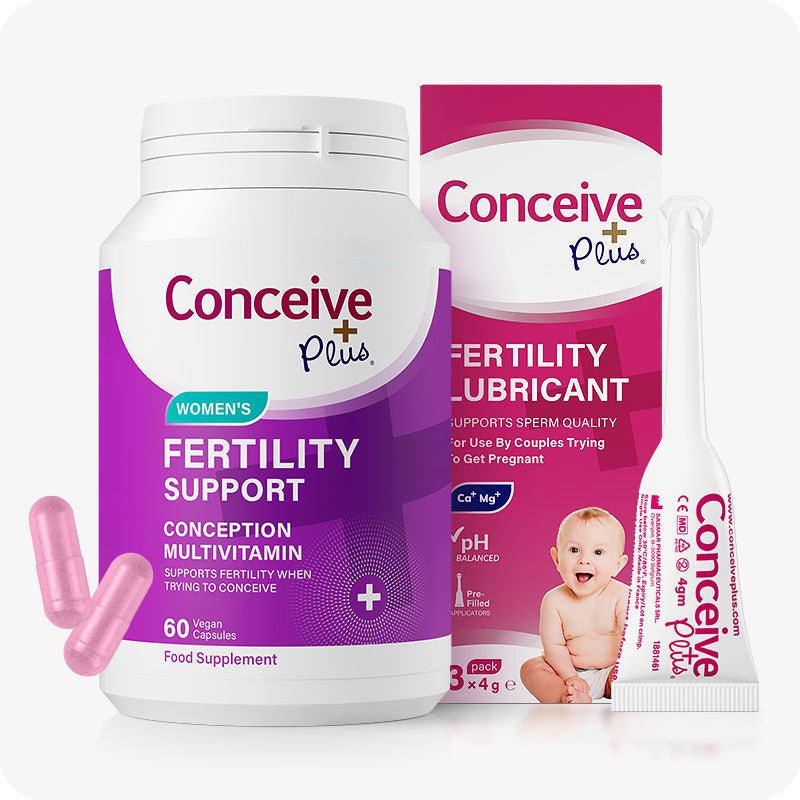
Supporting your fertile window naturally. Conceive Plus offers clinically-formulated fertility supplements and sperm-friendly lubricants designed for UK couples trying to conceive. Shop Conceive Plus UK →
Method 3: Cervical Mucus Monitoring
Cervical mucus (also called cervical fluid) changes throughout your cycle under oestrogen's influence. Learning to observe and categorise these changes is a cornerstone of fertility awareness-based methods (FABMs).
The typical cervical mucus pattern:
- Post-period (days 1–5 approx): Dry or minimal discharge
- Early follicular (days 5–9 approx): Sticky, white or yellow, crumbly texture — not fertile
- Pre-ovulatory (days 10–13 approx): Creamy, white, lotion-like — potentially fertile
- Peak fertile (day 12–14 approx): Slippery, stretchy, clear, resembling raw egg white — this is your most fertile mucus
- Post-ovulatory: Mucus returns to sticky/dry as progesterone rises
The "egg white" cervical mucus (EWCM) is your most reliable natural signal of peak fertility. It supports sperm motility and survival, creating an ideal environment for sperm to reach the egg.
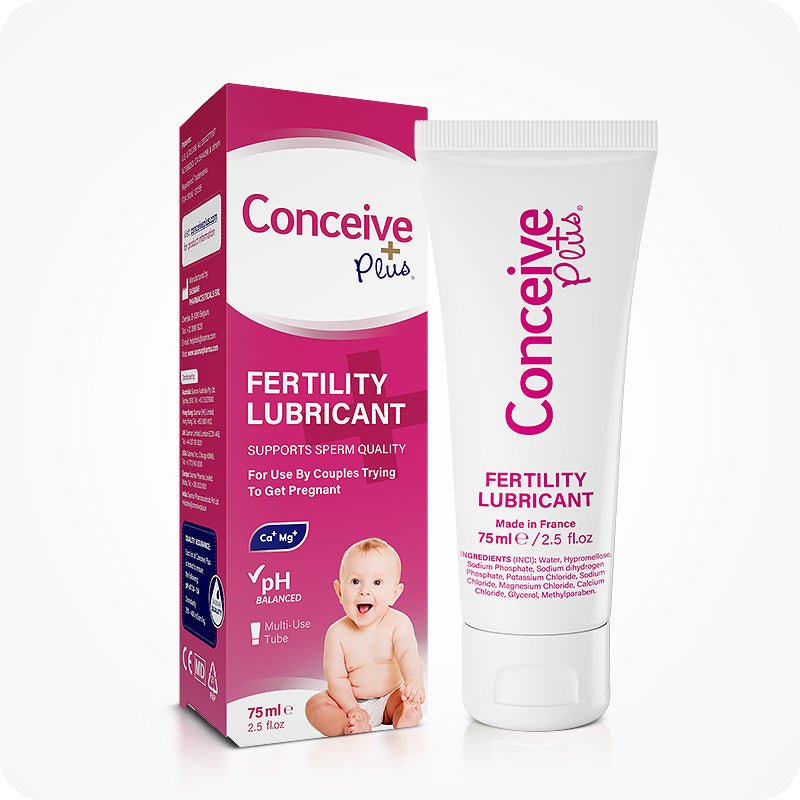
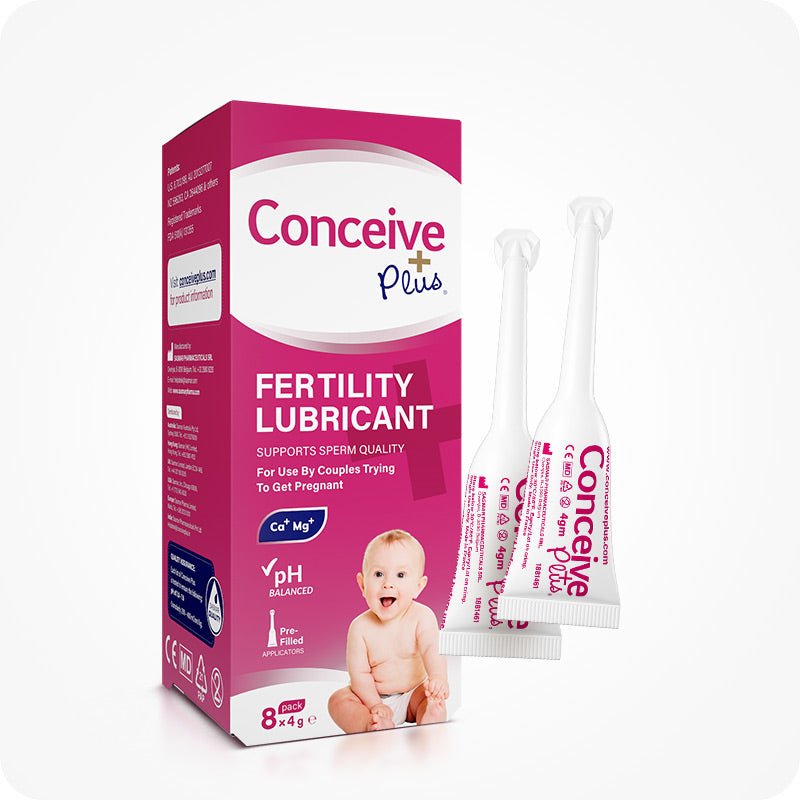
Important note on lubricants: Most commercial lubricants — including water-based varieties like KY Jelly and many popular brands — are detrimental to sperm. They reduce sperm motility significantly and can prevent conception. If you experience vaginal dryness during your fertile window, use a sperm-safe lubricant. Conceive Plus fertility lubricant is specially formulated to match fertile cervical mucus in pH and osmolality and is clinically tested to support sperm survival — it's the natural companion to cervical mucus monitoring for UK couples TTC.
Method 4: Fertility Monitors and Wearable Trackers
For those who prefer a more technology-driven approach, several dedicated fertility monitors and wearables are available in the UK:
Clearblue Connected Fertility Monitor: Tests oestrogen and LH via urine test strips, syncing to a smartphone app. Identifies up to 6 fertile days per cycle. NHS-endorsed and widely recommended by UK fertility clinics for its accuracy.
Mira Fertility Tracker: Measures actual hormone concentrations (not just peak/no-peak) and learns your unique hormone patterns over time. Particularly useful for women with irregular cycles or hormone imbalances.
Ava Bracelet: A wearable that tracks multiple physiological parameters during sleep (skin temperature, breathing rate, resting pulse) to identify fertile days. A Swiss-engineered clinical study found it identified an average of 5.3 fertile days per cycle.
Inito Fertility Monitor: A smartphone attachment that tests oestrogen, LH, FSH, and progesterone — giving a comprehensive hormonal picture. Particularly useful for tracking that ovulation actually occurred (via progesterone confirmation).
These devices are particularly valuable for women with PCOS, irregular cycles, or those who have had difficulty identifying their fertile window with standard methods.
Method 5: Ovulation Symptoms to Watch For
Beyond tests and monitors, some women experience physical signs of ovulation:
- Mittelschmerz: A one-sided pelvic pain or cramping around the time of ovulation, caused by the follicle expanding and releasing the egg. Approximately 20% of women report this symptom.
- Breast tenderness: Increased sensitivity around ovulation time due to the oestrogen-LH surge.
- Increased sex drive: Research confirms women experience higher libido in the periovulatory period — a helpful biological signal.
- Bloating or water retention: The hormonal shift around ovulation can cause mild abdominal bloating.
- Light spotting: Some women notice a tiny amount of spotting ("ovulation spotting") as the follicle ruptures.
- Heightened senses: Studies have shown women may have a heightened sense of smell and sharper vision around ovulation.
Symptoms alone are not reliable enough to pinpoint your exact fertile window, but they can supplement other tracking methods to build a fuller picture.
How Conceive Plus Supports Ovulation and Fertility in the UK
Once you've identified your fertile window, giving your body the best nutritional foundation enhances your chances of conception. Conceive Plus offers a range of products specifically designed for women TTC:
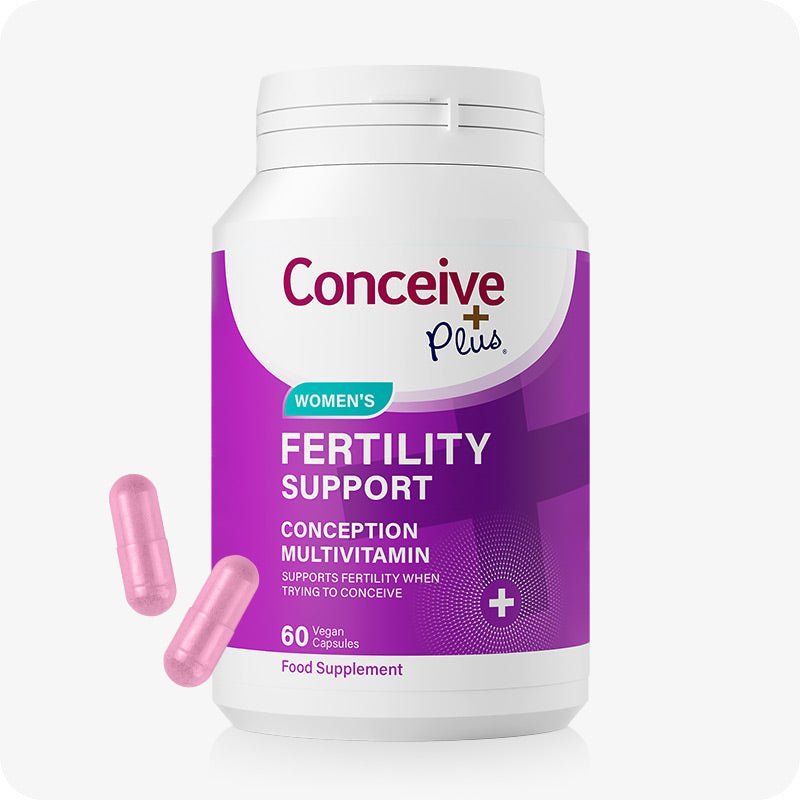
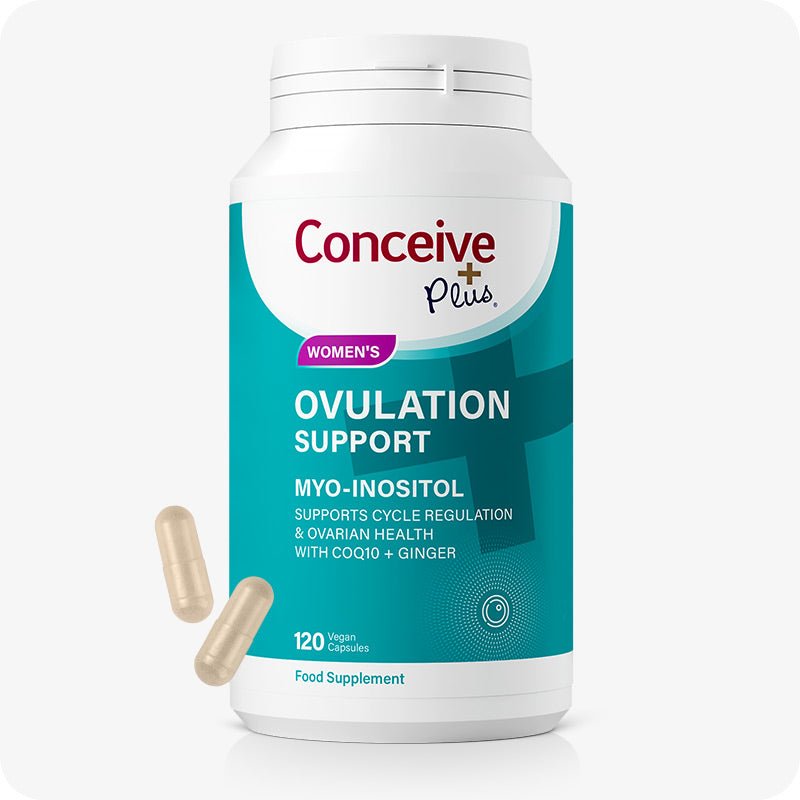
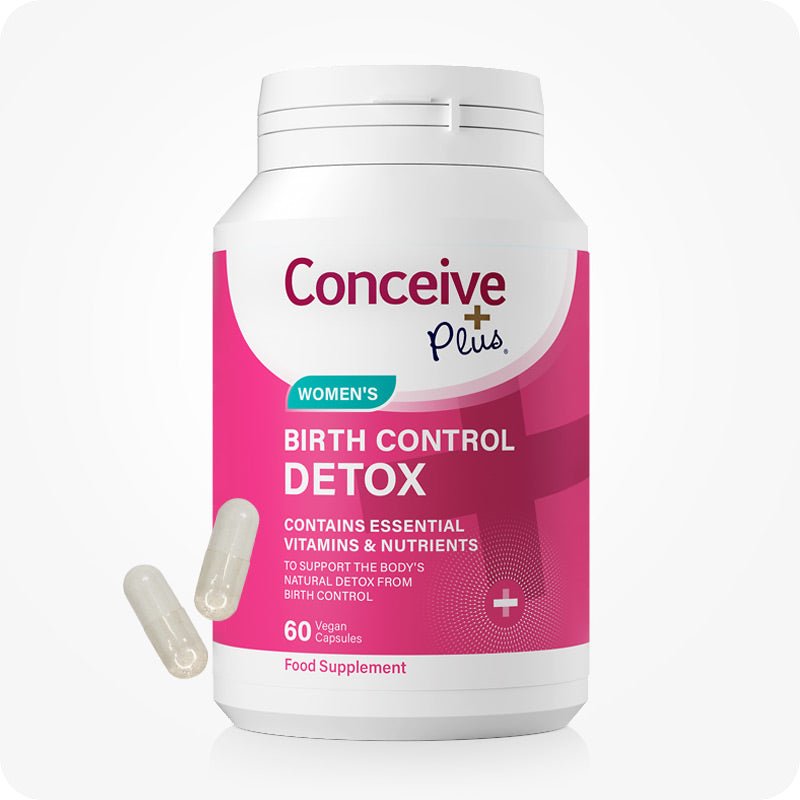
- Conceive Plus Women's Fertility Supplement: Contains L-methylfolate (active folate form), myo-inositol (supports egg quality and ovulation regularity, especially for women with PCOS), CoQ10 (supports mitochondrial function in developing eggs), vitamin D3, and key minerals — all in clinically-relevant doses.
- Conceive Plus Fertility Lubricant: pH and osmolality-matched to cervical mucus; FDA-cleared and CE-marked. Does not impair sperm motility — confirmed by ISO 29943 testing. Essential for TTC couples who experience vaginal dryness.
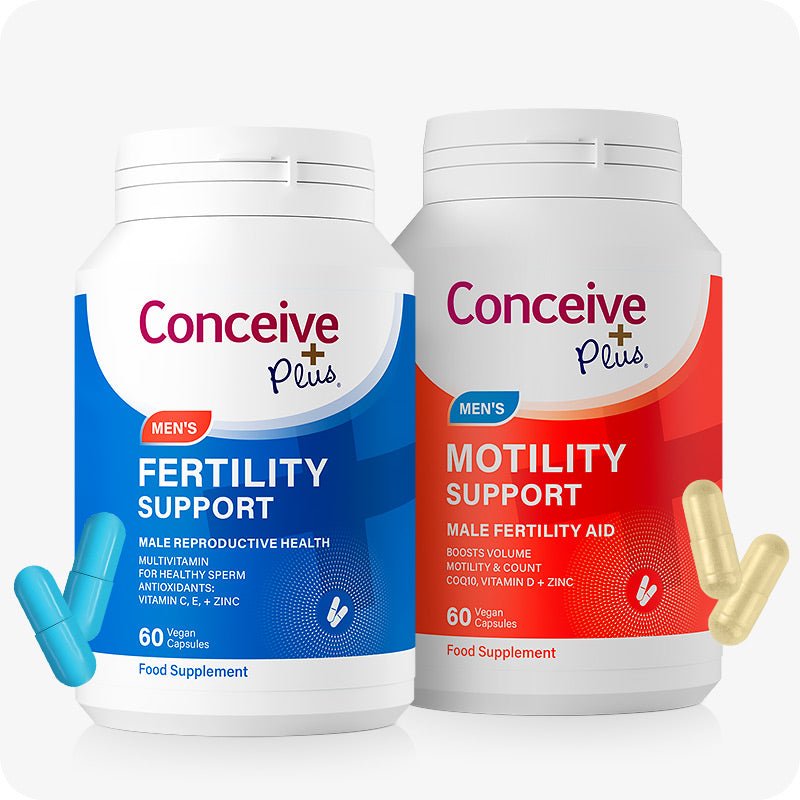
- Conceive Plus Men's Fertility Supplement: Supporting your partner's sperm health while you track ovulation is equally important — half of all fertility challenges have a male factor component.
Conceive Plus products are available for delivery across the UK. Visit our UK fertility supplement collection to find the right support for your journey.
Building a Complete Ovulation Tracking Strategy
The most successful approach combines multiple methods to compensate for each one's limitations:
- Track cycle length for 2–3 months to understand your baseline rhythm
- Use OPKs from day 9–10 (or day 7 if your cycle is shorter than 26 days)
- Monitor cervical mucus daily — look for egg-white mucus as your peak fertile sign
- Chart BBT to confirm ovulation occurred (particularly useful during initial months)
- Time intercourse starting 2–3 days before your predicted LH surge through the day of peak
- Use Conceive Plus lubricant if needed to support comfortable intercourse without harming sperm
Most couples who accurately time intercourse to their fertile window conceive within 6 cycles. If you've been accurately tracking and timing for 6–12 months without success, the NHS recommends referral to a fertility specialist — don't hesitate to speak to your GP.
FAQ: Ovulation Tracking for UK Women TTC
When does ovulation occur in a typical cycle?
Ovulation typically occurs 14 days before your next period — not necessarily 14 days after the start of your period. For a 28-day cycle, this is around day 14. For a 32-day cycle, it would be around day 18.
How many days before ovulation should I start testing with OPKs?
Subtract 17 from your cycle length to find your start day. For a 28-day cycle: start testing from day 11. For a 30-day cycle: day 13. This ensures you don't miss the LH surge.
Can I get pregnant outside my fertile window?
No — pregnancy requires fertilisation of an egg, which is only released once per cycle and viable for 12–24 hours. Sperm can survive up to 5 days in fertile cervical mucus, extending the window to roughly 6 days per cycle.
I have irregular cycles — how can I track ovulation?
Irregular cycles make calendar-based prediction unreliable. OPKs (starting much earlier in the cycle) combined with cervical mucus monitoring are most effective. An advanced fertility monitor that tracks multiple hormones can be particularly helpful for irregular cycles.
Does PCOS affect ovulation tracking results?
Yes — PCOS can cause multiple elevated LH readings throughout the cycle without actual ovulation occurring (anovulatory cycles). Standard OPKs may give multiple "positive" results. Progesterone testing in the luteal phase (day 21 blood test available through your GP) can confirm whether ovulation is occurring.
Is Natural Cycles reliable for detecting fertility?
Natural Cycles is CE-marked in the UK and uses BBT data with an algorithm to identify fertile and non-fertile days. Research shows it identifies 5+ fertile days per cycle with high accuracy in typical users. However, correct and consistent use is critical to reliability.
Can stress affect ovulation?
Yes — elevated cortisol can suppress the GnRH-LH axis, delaying or suppressing ovulation. Acute stress (illness, travel, significant emotional events) can shift ovulation by several days, which is why cycle-to-cycle tracking variation is normal.
Should my partner also take fertility supplements?
Absolutely. Male factor contributes to fertility challenges in approximately 50% of couples. While you're working on tracking your ovulation, having your partner support his sperm quality with a dedicated supplement like Conceive Plus Men's Formula means both sides of the equation are addressed each month.
How long should I try with tracking before seeing a doctor?
NHS guidelines recommend consulting your GP after 12 months of regular unprotected sex (or 6 months if you're 35 or older). If you've been accurately tracking and your OPKs aren't producing positive results, or BBT shows no thermal shift, discuss this with your GP sooner — it may indicate an ovulation disorder worth investigating.
Does Conceive Plus lubricant interfere with OPK results?
No. Conceive Plus lubricant is used vaginally and does not affect the LH levels measured in urine OPKs. You can safely use the lubricant during your fertile window without impacting your tracking results.
Support Your Fertility Journey with Conceive Plus
Join thousands of UK couples who trust Conceive Plus for science-backed fertility support — from sperm-safe lubricants to targeted supplements.
Shop Conceive Plus UK →