Ovulation Tracking Methods: A Complete Guide to Finding Your Fertile Window


Ovulation Tracking Methods: A Complete Guide to Finding Your Fertile Window
When it comes to getting pregnant, timing truly is everything. Studies suggest that for couples trying to conceive naturally, up to 80% of failed cycles are simply the result of mistimed intercourse. Understanding and tracking ovulation is the single most powerful tool available to couples who want to maximise their chances of conception each month.
This comprehensive guide walks through every ovulation tracking method — from basic body awareness to advanced fertility technology — so you can identify your fertile window with confidence and act on that knowledge strategically.
Why Ovulation Tracking Matters
Many people are surprised to learn that the fertile window is surprisingly short. An egg is only viable for 12 to 24 hours after ovulation. However, sperm can survive in fertile cervical mucus for up to 5 days. This means that for most women, the fertile window spans approximately 6 days — the 5 days before ovulation and the day of ovulation itself.
Intercourse after ovulation, even by 24 hours, significantly reduces the chance of conception that cycle. Many couples who struggle to conceive are simply having sex at the wrong time — often several days after ovulation when the egg is no longer viable.
For a typical 28-day cycle, ovulation occurs around day 14. But the reality is that most women do not have textbook 28-day cycles. Research published in Human Reproduction found that ovulation timing varies significantly, even in women with "regular" cycles — sometimes varying by 7 days or more between cycles in the same woman. This is why tracking ovulation, rather than assuming it, is essential.
Method 1: Calendar / Rhythm Method
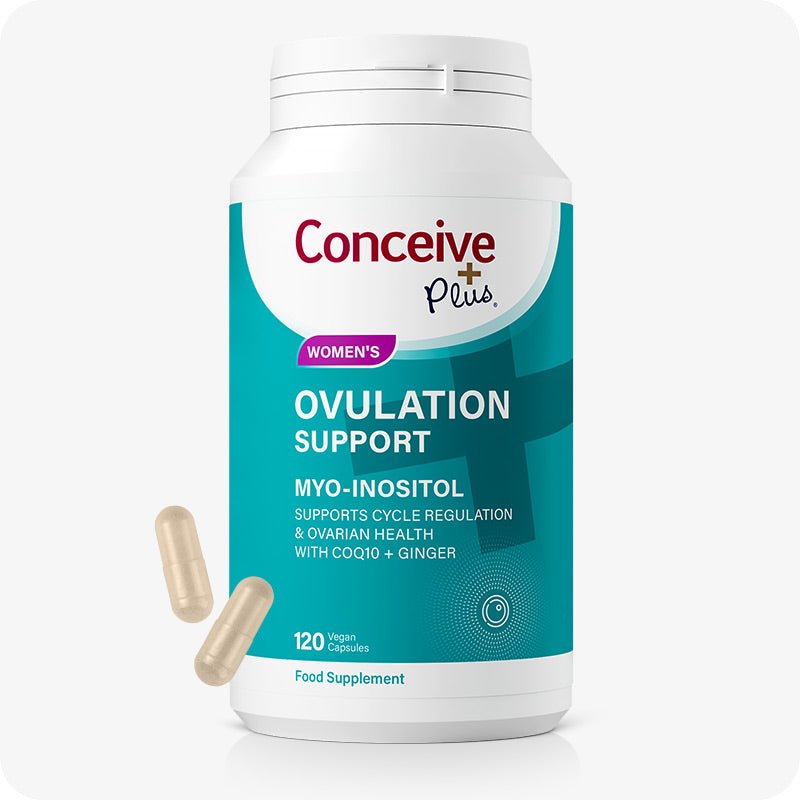
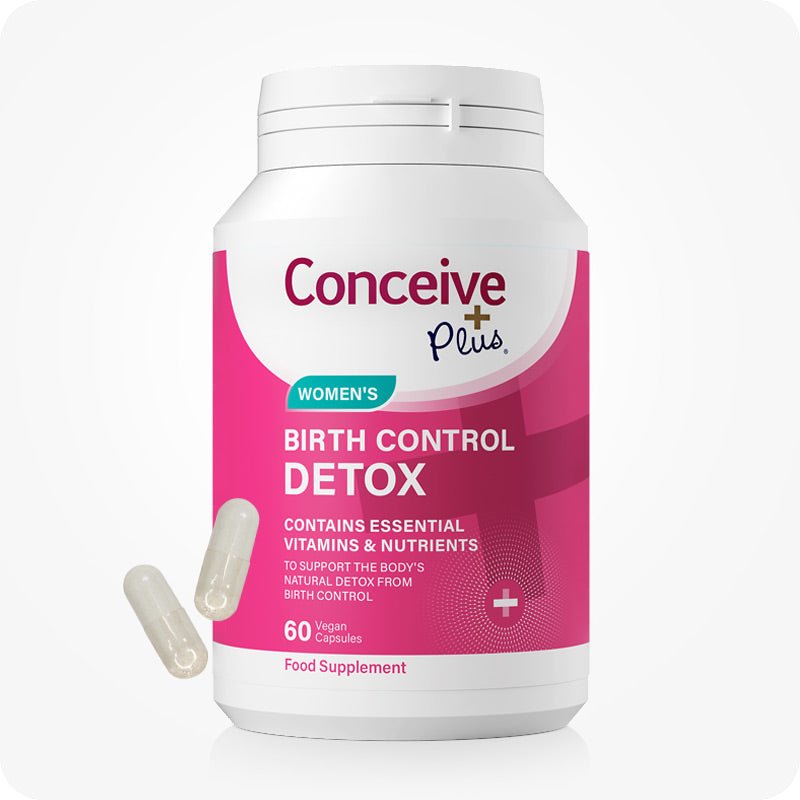
Support your fertile window with Conceive Plus. Ovulation support supplements formulated to regulate cycles and optimise your TTC journey. Shop Ovulation Support →
The calendar method involves tracking your menstrual cycle length over several months and calculating your likely ovulation date based on the assumption that ovulation occurs 14 days before your next period.
How to use it: Track your period start date for at least 3–6 months. Calculate your average cycle length. Subtract 14 from that number to estimate ovulation day.
Accuracy: Low to moderate. This method is a starting point only. It does not account for cycle variability, stress, illness, or hormonal shifts that shift ovulation timing. It is not recommended as a standalone method for TTC.
Best for: Getting a rough baseline of your cycle before adding more precise methods.
Method 2: Basal Body Temperature (BBT) Tracking
Basal body temperature is your body's resting temperature, taken first thing in the morning before getting out of bed or eating or drinking anything. After ovulation, rising progesterone causes a slight but measurable rise in BBT — typically 0.2°C to 0.5°C (0.4°F to 1.0°F).
How to use it: Take your temperature at the same time every morning using a sensitive BBT thermometer (accurate to 0.01°C). Record and chart your results. A sustained temperature rise of at least 3 consecutive days confirms that ovulation has occurred.
Accuracy: Moderate. The significant limitation is that the BBT rise is retrospective — it confirms ovulation has already happened, which means you're past the fertile window when you see the rise. However, over several months, patterns emerge that allow you to predict ovulation timing in future cycles.
Best for: Confirming that ovulation is occurring and identifying patterns over multiple cycles.
Method 3: Cervical Mucus Monitoring
Cervical mucus (CM) changes throughout the menstrual cycle under the influence of oestrogen and progesterone. Monitoring these changes provides real-time information about where you are in your cycle and when you're approaching ovulation.
What to look for:
- Post-period (days 1–5 post-period): Dry or sticky mucus — not fertile
- Pre-ovulatory (days 6–9): Creamy, lotion-like mucus — moderately fertile
- Peak fertility (days before and on ovulation): Clear, stretchy, "egg white" cervical mucus (EWCM) — highly fertile
- Post-ovulation: Returns to dry or sticky — no longer fertile
Egg white cervical mucus is the most important fertility sign. It allows sperm to survive and swim freely toward the egg, whereas dry or sticky mucus is hostile to sperm and prevents them from reaching the egg.
Accuracy: High when done consistently. Cervical mucus monitoring is a core component of the Fertility Awareness Method (FAM) and is endorsed by many reproductive healthcare providers.
Best for: Real-time fertile window identification, especially when combined with BBT tracking.
Method 4: Ovulation Predictor Kits (OPKs)
Ovulation predictor kits detect the luteinising hormone (LH) surge in urine. LH rises sharply 24 to 48 hours before ovulation — making OPKs the most widely used and reliable tool for predicting ovulation before it happens.
How to use them: Begin testing from a few days before your expected ovulation (around day 10 for a 28-day cycle, earlier for shorter cycles). Test once or twice daily — ideally between 10am and 8pm, avoiding first morning urine (which can sometimes give false positives). A positive result (test line as dark or darker than control line) indicates an LH surge and that ovulation is likely within 24–48 hours.
Types available:
- Strip tests: Most economical; require comparison of line darkness
- Digital OPKs: Provide clear positive/negative results; slightly more expensive
- Advanced digital OPKs (e.g. Clearblue Advanced): Track both oestrogen and LH to identify a wider fertile window (typically 4 days vs 2 days)
Accuracy: High. OPKs detect the LH surge reliably in most women. Note: women with PCOS may have elevated baseline LH, causing false positives. In these cases, advanced hormone-testing OPKs or a fertility monitor may be more accurate.
Best for: Timing intercourse precisely around ovulation. The most recommended first-step tracking tool for most TTC couples.
Method 5: Fertility Monitors
Fertility monitors are advanced versions of OPKs. The most well-known is the Clearblue Fertility Monitor, which tracks both oestrogen and LH levels across the cycle, giving a more complete picture of the fertile window.
How they work: The monitor uses daily urine test sticks to track hormone trends, identifying low, high, and peak fertility days. Over time, it learns your personal hormone patterns.
Accuracy: Very high. Studies have shown that women using fertility monitors identify their fertile window with greater precision than those using standard OPKs. The Clearblue Advanced Fertility Monitor has been shown to identify up to 4 fertile days per cycle compared to 2 with standard OPKs.
Cost: Higher initial investment, but provides greater insight, especially for women with irregular cycles or PCOS.
Best for: Women who have been TTC for several months, those with irregular cycles, or anyone wanting maximum precision.
Method 6: Wearable Fertility Trackers
Wearable technology has transformed fertility tracking. Devices like the Ava bracelet, Oura Ring, and Tempdrop monitor physiological parameters — including BBT (via continuous skin temperature), heart rate variability, and other biomarkers — to predict and confirm ovulation continuously, without the need for morning thermometers.
How they work: Worn overnight, these devices collect data continuously and sync with an app to produce ovulation predictions and fertile window estimates.
Accuracy: Moderate to high. The Ava bracelet, studied in a prospective trial, correctly identified the fertile window in 87% of cycles. These devices are particularly valuable for women who travel, work shifts, or find traditional BBT tracking inconvenient.
Best for: Tech-forward users, those with inconsistent sleep schedules, and those who want continuous tracking without manual temperature-taking.
Method 7: Transvaginal Ultrasound Follicle Monitoring
For women undergoing fertility treatment or those who need precise ovulation confirmation, transvaginal ultrasound (TVUS) is the gold standard. A fertility specialist uses ultrasound to visualise developing follicles in the ovaries and confirm ovulation by measuring the dominant follicle and then observing its collapse post-ovulation.
When it's used: During IUI, IVF, or medicated cycles; in cases of suspected ovulatory dysfunction; or when other methods aren't providing clear results.
Accuracy: Near 100% when performed by an experienced clinician.
Combining Ovulation Tracking Methods for Best Results
No single method is perfect, and many fertility experts recommend combining at least two methods for maximum accuracy. The most effective combination for home tracking is:
- OPKs for predicting the LH surge (2–5 days before ovulation)
- Cervical mucus monitoring for real-time fertile window confirmation
- BBT tracking for retrospective ovulation confirmation and cycle pattern learning
This triple-method approach gives you early warning (OPK), real-time fertile window confirmation (CM), and post-cycle learning (BBT) — covering the full picture of your fertility cycle.
Supporting Conception During Your Fertile Window
Once you've identified your fertile window, maximising your chances goes beyond timing. Consider:
- Frequency of intercourse: Aim for every 1–2 days during the fertile window. Daily is not significantly better than every other day, but less than every other day reduces the chance of hitting the egg-viable window.
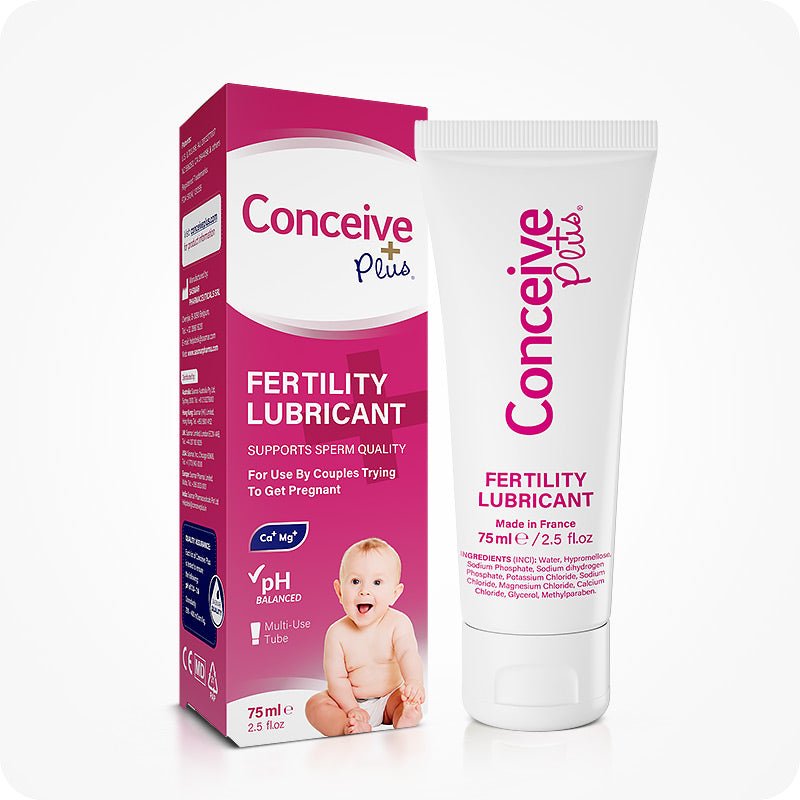
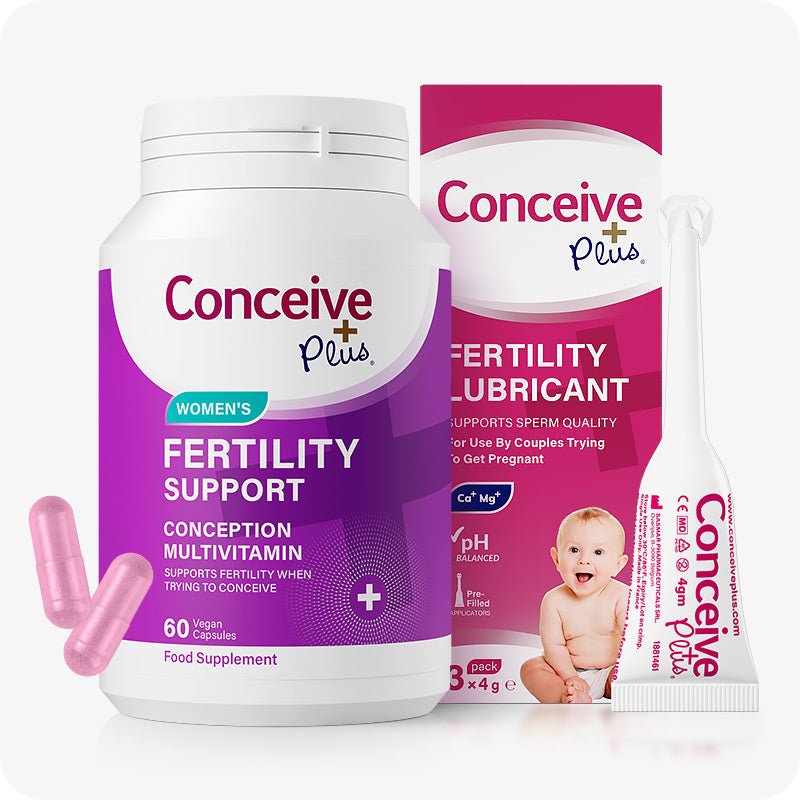
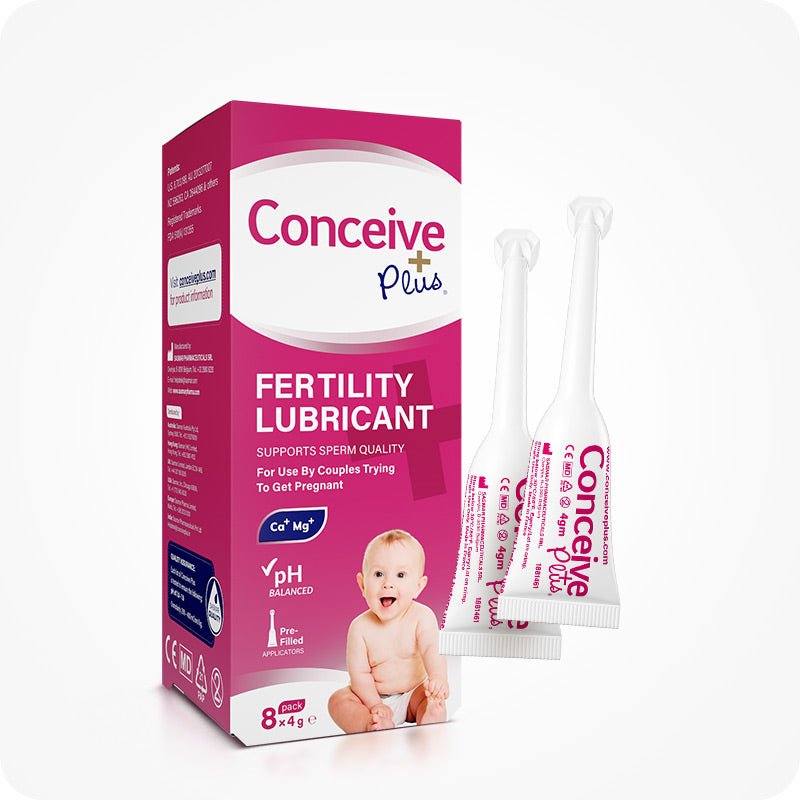
- Lubricant choice: Most standard lubricants impair sperm motility. Use a sperm-safe option like Conceive Plus to avoid unintentionally harming sperm.
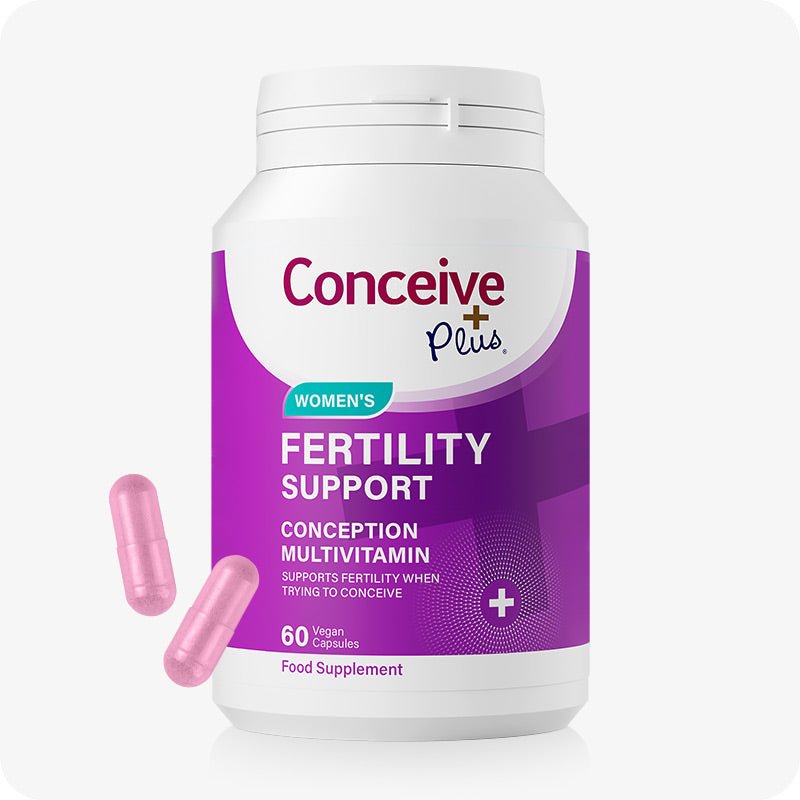
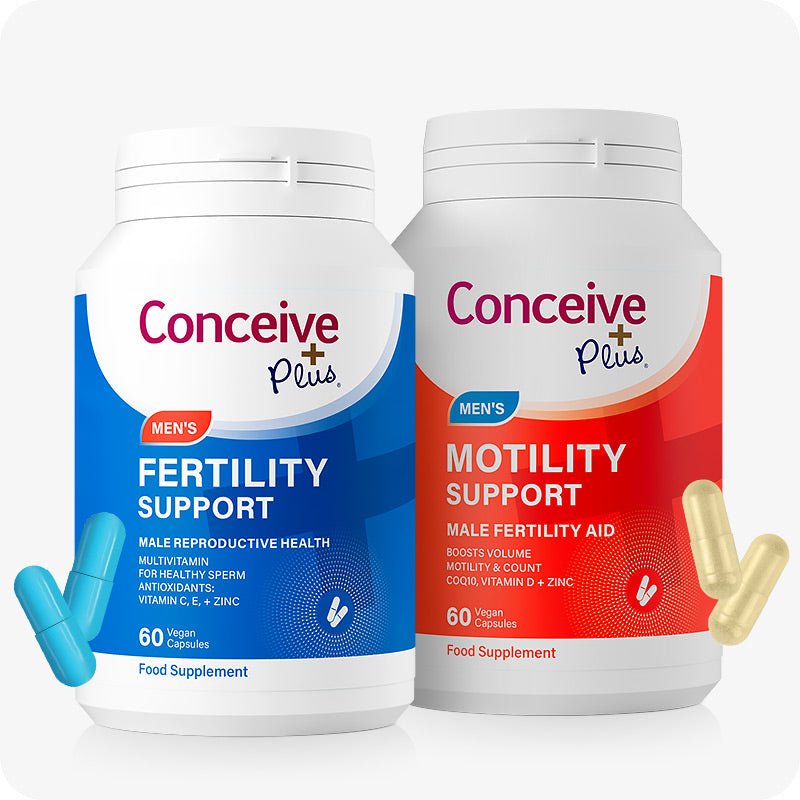
- Supplement support: Conceive Plus fertility supplements support egg quality, sperm health, and overall reproductive function. Taking them consistently in the months leading up to your fertile window compounds the benefit.
- Stress management: Elevated cortisol can delay or suppress ovulation. This is a real physiological effect, not just a cliché.
FAQ: Ovulation Tracking
Q: How many days before ovulation am I fertile?
A: You are fertile for approximately 5 days before ovulation and the day of ovulation itself — a total of 6 days. The 2 days before ovulation and the day of ovulation are typically your peak fertile days.
Q: Can I ovulate more than once per cycle?
A: Superovulation (releasing more than one egg) can occur, but only within a 24-hour window. You cannot ovulate on, say, day 10 and again on day 18 in the same cycle. Fraternal twins result from two eggs released within the same 24-hour window.
Q: Why is my OPK always negative?
A: If you're consistently getting negative OPKs, possible causes include: testing too early or too late in your cycle, the LH surge being very brief (test twice daily to avoid missing it), PCOS causing irregular surges, or an anovulatory cycle (no ovulation that month).
Q: Does stress affect ovulation timing?
A: Yes. High stress elevates cortisol and can suppress GnRH (gonadotropin-releasing hormone), which disrupts the hormonal cascade needed for ovulation. Some women experience delayed ovulation or anovulatory cycles during periods of extreme stress.
Q: Can I still get pregnant with irregular cycles?
A: Yes. Irregular cycles make tracking more challenging, but ovulation still typically occurs. Using OPKs, cervical mucus monitoring, and/or a fertility monitor is especially important for women with irregular cycles.
Q: Is the calendar/rhythm method reliable for TTC?
A: Not as a standalone method. It provides a rough estimate only and does not account for cycle variability. Use it as a starting point alongside more precise methods like OPKs.
Q: How long does it take to get pregnant once I start tracking ovulation?
A: Most couples with no underlying fertility issues conceive within 6 months of properly timed intercourse based on ovulation tracking. 85% of couples conceive within 12 months. If you haven't conceived after 12 months of trying (or 6 months if over 35), consult a fertility specialist.
Q: Do OPKs work if I have PCOS?
A: Standard OPKs can produce false positives with PCOS due to elevated baseline LH. Advanced digital monitors that track the LH/oestrogen ratio, or ultrasound monitoring, may be more accurate for women with PCOS.
Q: When should I have sex after a positive OPK?
A: Have intercourse on the day of the positive OPK and the following 1–2 days. You can also have sex the day before a predicted positive if you're testing daily and watching for the surge.
Q: Does Conceive Plus help with ovulation?
A: Conceive Plus fertility supplements support hormonal balance and ovulatory function through nutrients like inositol, folate, and CoQ10 — all of which have evidence for supporting regular ovulation. The lubricant supports sperm during the fertile window. Used together, they provide comprehensive TTC support.
Conclusion
Ovulation tracking is the foundation of successful TTC. Whether you're just starting out or several months into your journey, understanding your cycle and accurately identifying your fertile window can transform your approach to conception. Start with OPKs and cervical mucus monitoring, add BBT tracking for pattern recognition, and consider a wearable or fertility monitor if you want greater precision.
Combine your ovulation tracking with a sperm-safe lubricant and quality fertility supplements from Conceive Plus — and you're giving every cycle your best possible chance.
Already tracking ovulation? Add a sperm-safe lubricant and fertility supplements to maximise every cycle. Explore Conceive Plus Products →