Ovulation Tracking for Beginners: How to Know When You're Most Fertile
Understanding your fertility window is one of the most powerful things you can do when you're trying to conceive. Yet for many women, the concept of ovulation tracking can feel overwhelming, especially if you're just starting out. The good news? Once you understand the basics, ovulation tracking is straightforward — and it can significantly improve your chances of conception.
This comprehensive guide covers everything beginners need to know about tracking ovulation, from understanding your menstrual cycle to combining multiple methods for maximum accuracy. Whether you're just starting your TTC journey or looking to optimise your timing, this guide is for you.
Understanding Your Menstrual Cycle
Your menstrual cycle is the foundation of fertility tracking. It begins on the first day of your period and ends the day before your next period starts. While 28 days is often cited as the "average" cycle length, healthy cycles can range from 21 to 35 days — and irregular cycles are common.
The menstrual cycle is divided into two main phases:
- Follicular phase: Begins on Day 1 (first day of period) and ends at ovulation. During this phase, follicle-stimulating hormone (FSH) prompts follicles in the ovaries to develop. As follicles grow, they produce oestrogen, which thickens the uterine lining and eventually triggers a surge of luteinising hormone (LH).
- Luteal phase: Begins after ovulation and lasts until your next period (typically 12–16 days). After the egg is released, the empty follicle (corpus luteum) produces progesterone to maintain the uterine lining. If fertilisation doesn't occur, progesterone drops, the lining sheds, and a new cycle begins.
Ovulation typically occurs around the midpoint of your cycle, but timing varies significantly between individuals and even between cycles in the same person. This is why tracking — rather than assuming — is essential.
The Fertility Window Explained
The fertility window is the period during your cycle when pregnancy is possible. This window is narrower than many people realise.
Key facts about the fertility window:
- An egg survives only 12–24 hours after ovulation
- Sperm can survive in the female reproductive tract for up to 5 days in the presence of fertile cervical mucus
- This makes your fertility window approximately 5–6 days long — the 5 days before ovulation plus the day of ovulation
- The most fertile days are the 2 days before ovulation and ovulation day itself
Research published in the New England Journal of Medicine (Wilcox et al., 1995) confirmed that the day of ovulation and the two days preceding it account for the vast majority of conceptions. Intercourse after ovulation has very low pregnancy potential.
This is why tracking ovulation — rather than just timing sex around your approximate cycle midpoint — can make a meaningful difference. Even small improvements in timing accuracy can significantly increase your monthly conception probability.
LH Test Strips: How They Work
Luteinising hormone (LH) test strips are one of the most popular and reliable methods for ovulation detection. Here's everything you need to know:
The Science
LH is always present in urine at low levels. About 24–36 hours before ovulation, your body experiences an LH surge — a dramatic increase in LH that triggers the final maturation and release of the egg. LH test strips detect this surge, giving you advance warning of imminent ovulation.
How to Use LH Test Strips
- Start testing early: Begin testing a few days before you expect to ovulate. For a 28-day cycle, start around Day 10. For longer cycles, start later — around Day 14 for a 32-day cycle.
- Test at the right time: Test between 10am and 8pm. Avoid testing with your first morning urine (which can have concentrated LH that doesn't reflect your surge accurately).
- Limit fluid intake: Avoid excessive fluid intake for 2 hours before testing, as dilute urine can give false negatives.
- Read results correctly: A positive result is when the test line is as dark or darker than the control line. Any lighter result is negative, regardless of how faint the line is.
- Act on a positive: When you see a positive LH test, plan intercourse that day and the following day to maximise your chances of conception.
Types of LH Tests
Standard test strips detect LH above a threshold (typically 25–40 mIU/mL). Digital ovulation tests provide a smiley face readout, which eliminates line-reading confusion but at higher cost. Advanced monitors track both LH and oestrogen to identify a wider fertility window.
Conceive Plus offers ovulation test strips as part of its fertility tracking range, providing an accessible and reliable way to identify your LH surge.
BBT Charting Step by Step
Basal body temperature (BBT) charting is a free, low-tech method that can reveal your ovulation pattern over time. BBT is your body's resting temperature, which rises slightly (0.2–0.4°C) after ovulation due to progesterone.
What You Need
- A digital BBT thermometer (regular thermometers aren't sensitive enough)
- A charting app or graph paper
- Consistency and patience
How to Chart BBT
- Take your temperature daily: Every morning before getting out of bed, after at least 3–4 hours of uninterrupted sleep
- Take it at the same time: Aim for within 30 minutes of the same time each day (sleeping in significantly affects readings)
- Record immediately: Log your temperature before doing anything else — even talking can raise your BBT
- Note any factors: Flag nights with poor sleep, illness, alcohol consumption, or travel, as these all affect BBT readings
- Look for the temperature shift: After ovulation, you'll see a sustained rise (at least 3 consecutive days higher than the previous 6 readings) indicating that ovulation has occurred
BBT Limitations
BBT charting confirms that ovulation has already occurred — it cannot predict it. This makes it most useful for identifying your ovulation pattern over several cycles so you can time intercourse in advance in future cycles. Combine it with LH strips for real-time prediction plus retrospective confirmation.
Reading Cervical Mucus Changes
Your cervical mucus (CM) changes throughout your cycle in response to hormonal shifts. Learning to read these changes gives you a real-time, cost-free window into your fertility status.
Cervical Mucus Through the Cycle
- Menstruation (Days 1–5): No observable CM due to menstrual flow
- Dry phase (Days 5–8, approx): Little to no CM; vaginal sensation is dry
- Sticky/creamy phase (Days 8–12, approx): CM appears — may be sticky, thick, or white/yellow; not sperm-friendly
- Fertile/watery phase: CM becomes clearer and more fluid, similar to egg white in texture; increasingly sperm-friendly
- Peak fertility (egg white cervical mucus): Clear, stretchy, raw egg white–like consistency; can stretch several centimetres between fingers; this is the most fertile CM
- Post-ovulation: CM quickly returns to thick, sticky, or absent; this is the infertile phase
How to Check Cervical Mucus
Check CM each day by wiping with toilet paper (note the sensation and appearance), examining your underwear, or using clean fingers to sample from the vaginal opening. Record what you observe using a simple notation system: D (dry), S (sticky), C (creamy), W (watery), EW (egg white).
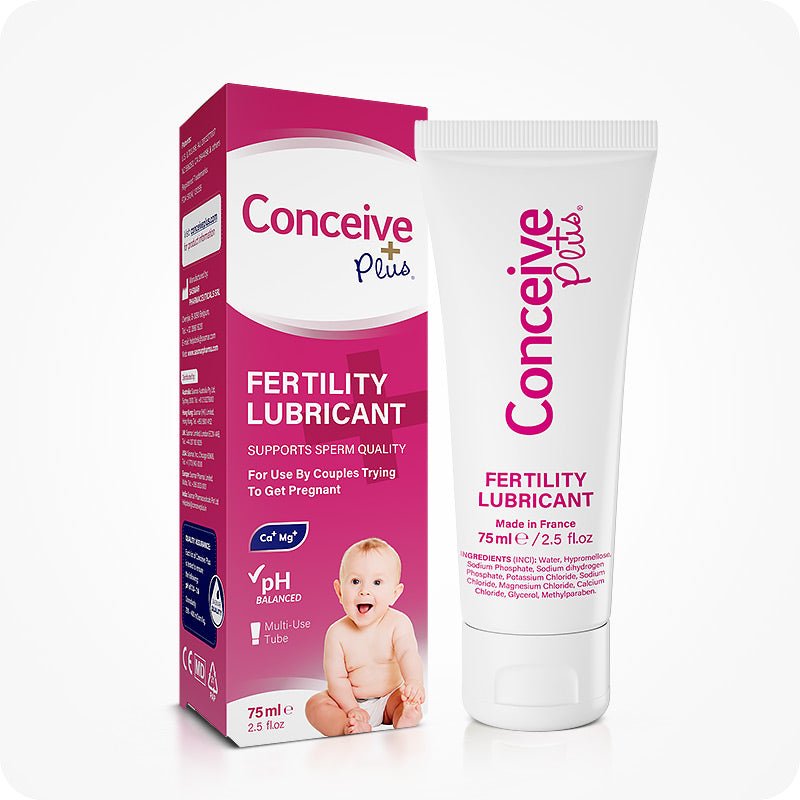
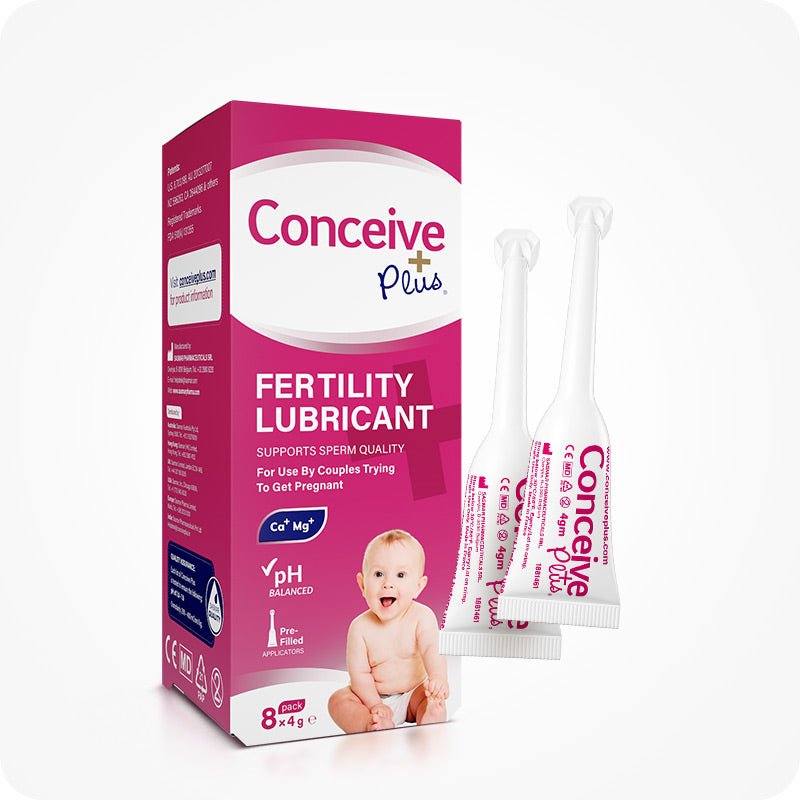
Fertile egg white cervical mucus serves the same purpose as a good fertility lubricant — it maintains a sperm-friendly pH environment and provides a medium through which sperm can swim toward the egg. If you naturally produce limited fertile CM, a product like Conceive Plus fertility lubricant can mimic this environment.
Combining Methods for Better Accuracy
Each ovulation tracking method has strengths and limitations. Using two or more methods together provides the most reliable picture of your fertility window:
The Symptothermal Method
Combines cervical mucus monitoring with BBT charting. This approach, backed by extensive research, has been shown to be highly accurate when followed correctly. A 2007 study in Human Reproduction found the symptothermal method to be up to 99.4% effective for family planning when properly applied.
LH Strips + BBT
LH strips predict ovulation; BBT confirms it. Together, they allow you to anticipate your fertile window and then verify when ovulation occurred, helping you refine your pattern over time.
LH Strips + Cervical Mucus
This combination is particularly useful for beginners. LH strips provide an objective readout while CM provides additional context. When you see fertile CM and a positive LH test simultaneously, that's your clearest signal of peak fertility.
Technology Aids
Fertility tracking apps (such as Natural Cycles, Clue, or Ovia) can help you log and interpret data from multiple methods. Some integrate with BBT thermometers to automate temperature logging.
Conceive Plus supports the full fertility tracking journey — from ovulation test strips to fertility lubricants designed for use during your fertile window.
When to Seek Fertility Help
Ovulation tracking is a valuable tool, but it's important to know when to escalate to professional support:
- Under 35: Seek advice if you've been trying without success for 12 months
- 35–40: Seek advice after 6 months of trying
- Over 40: Seek advice after 3 months, or immediately if you have known fertility concerns
- Any age: Seek immediate referral if you have known conditions like PCOS, endometriosis, fibroids, or a history of pelvic inflammatory disease; irregular or absent periods; or a history of miscarriage
Your GP can run initial blood tests (AMH, FSH, LH, progesterone) and refer you for further investigation if needed. Early intervention significantly improves outcomes in cases where underlying issues are identified.
Frequently Asked Questions
How do I know if I'm ovulating at all?
Signs of ovulation include positive LH tests, a clear BBT temperature shift, fertile cervical mucus, and sometimes mild pelvic pain (mittelschmerz). Irregular cycles, absent periods, or consistently negative LH tests over several months may indicate anovulation (lack of ovulation) — worth discussing with your GP.
Can I get pregnant outside my fertility window?
It is extremely unlikely. The egg survives for only 12–24 hours after ovulation. Sperm can survive for up to 5 days, but only in the presence of fertile cervical mucus. Effectively, the fertility window is approximately 5–6 days long, with peak fertility in the 2–3 days before and including ovulation day.
My cycle is irregular — can I still track ovulation?
Yes. Irregular cycles make calendar-based prediction unreliable, which is exactly why physical tracking methods (LH strips, BBT, CM) are so valuable. Start LH testing early each cycle, and rely more heavily on CM and BBT rather than calendar prediction.
How many cycles should I track before patterns emerge?
Most women see meaningful patterns after 2–3 cycles. BBT charting becomes more informative with more data. If after 3 cycles you're not seeing consistent ovulation signs, consult your GP.
Does stress affect ovulation?
Yes. Significant physical or emotional stress can delay or prevent ovulation by disrupting the hormonal cascade. This is why you may notice ovulation occurring later than usual during stressful periods. It does not mean ovulation doesn't happen — just that timing can shift.
Can I use fertility lubricant while tracking ovulation?
Absolutely. Fertility lubricants like Conceive Plus are designed to be used during the fertile window and do not interfere with ovulation testing. They provide a sperm-friendly environment that complements your tracking efforts.
Are digital ovulation tests more accurate than strips?
Both detect the LH surge with comparable accuracy. Digital tests provide a clearer readout (a smiley face rather than a line comparison) which can reduce user error, but they're more expensive. Standard LH strips used correctly are equally effective.
Should both partners track fertility indicators?
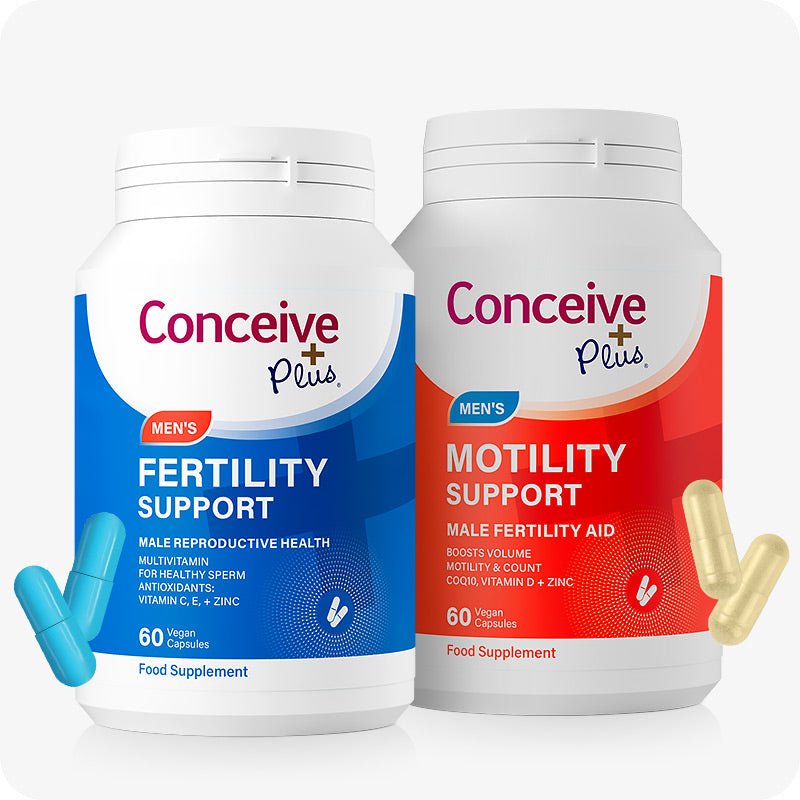
Tracking is typically done by the female partner since it involves female hormones and physical signs. However, male partners can support fertility by optimising sperm health — through lifestyle changes, avoiding heat exposure to the testes, and considering supplements like Conceive Plus Men's Fertility Support.