Can Drinking Milk Help me Get Pregnant?


Whole milk and ovulatory infertility
Studies since 2007 have shown that full fat dairy products are linked to a lower chance of ovulatory infertility. Including healthy fats in your diet is also a natural way to regulate your appetite and stay healthy. Therefore, eating full fat dairy products such as milk, yogurt, and cheese is part of a good long-term plan for conceiving and it can increase your chances of getting pregnant.The risks of non-fat milk

✨ Trying to Conceive?
Our fertility supplements combine Myo-Inositol with essential vitamins to support healthy hormone balance and regular ovulation.
Shop Now — $36.00✓ Free shipping available | ✓ Trusted by millions of couples worldwide
How much dairy should you eat?
When you’re trying to get pregnant, 1-2 servings of full-fat dairy every day is a good guideline. So enjoy some cheddar cheese, your favorite Greek yogurt, or a full fat milk and banana smoothie. Just keep in mind that you should still eat sugary foods, such as ice cream, in moderation.Calcium is key in the process for conception
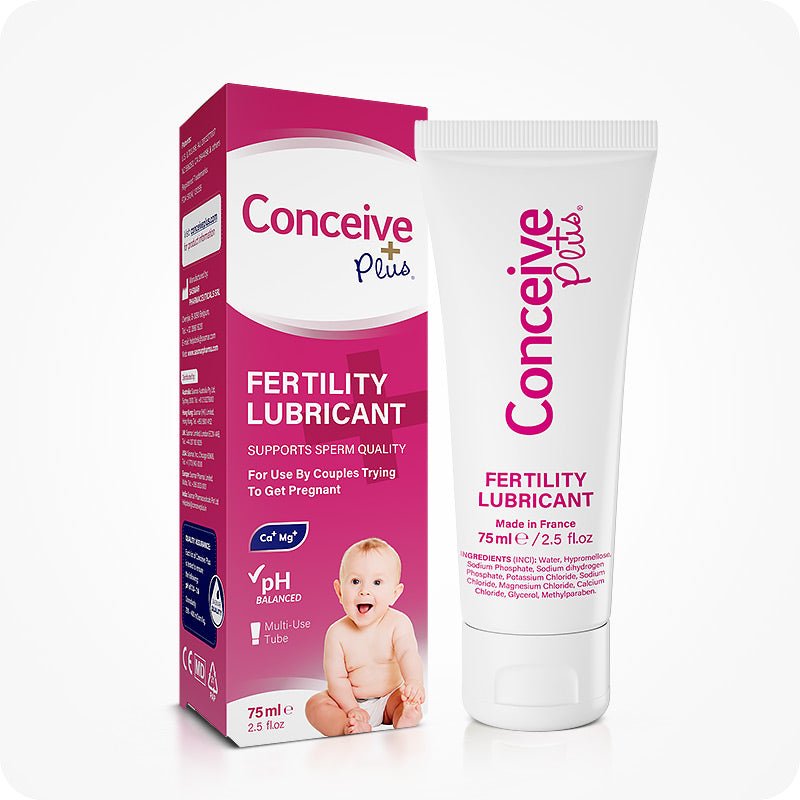
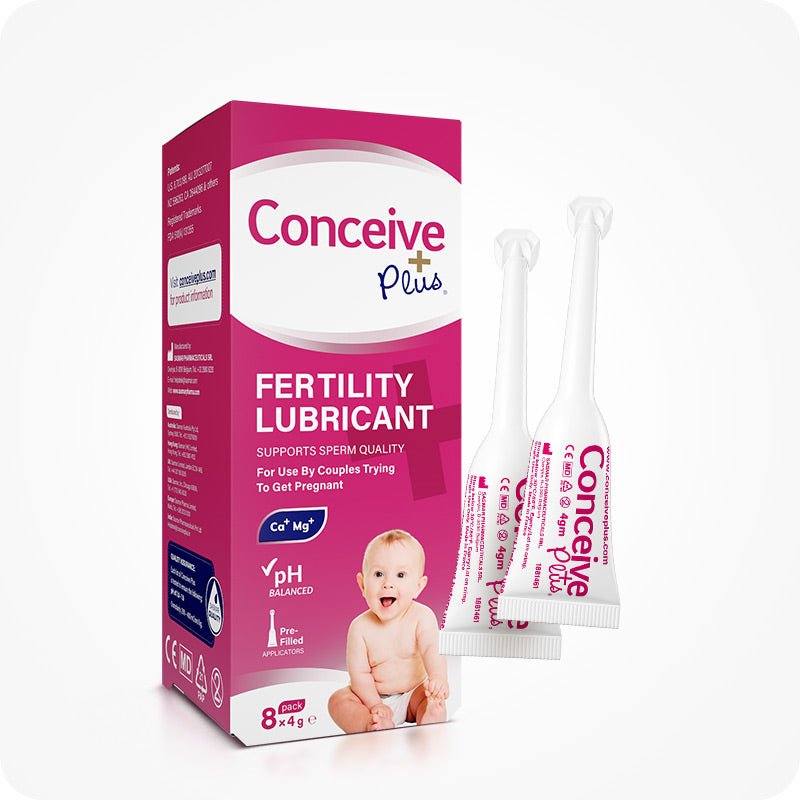
Calcium is helping to have a healthy reproductive system and a healthy baby. From helping the swim of spermatozoids to triggering growth in embryos, calcium is very important to help to create an alkaline environment in the reproductive tract and help you to get pregnant. A quart of raw milk has 900mg of food based calcium in it, which is most of what you need when trying to conceive. Conceive Plus also can help you because it is the only fertility lubricant in the world that contains ions of Calcium in order to support your path to pregnancy.🌱 Support Your Fertility Journey
Conceive Plus fertility supplements are clinically formulated to help regulate your cycle and support egg quality.
Shop Fertility Support →Frequently Asked Questions
Recommended by Fertility Experts
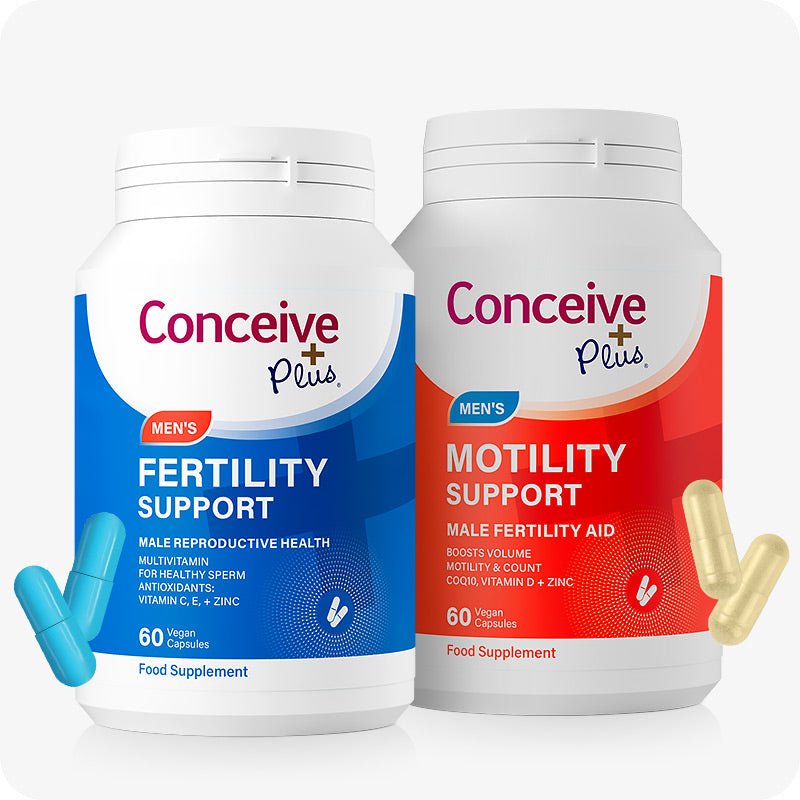
Conceive Plus Men's Fertility Support
Designed to support healthy sperm production, motility, and overall male reproductive health with clinically studied nutrients.
Shop Now →Can drinking full-fat milk really help me get pregnant?
Research suggests that consuming full-fat dairy products may help reduce the risk of ovulatory infertility. Studies since 2007 have shown a link between whole milk consumption and improved fertility outcomes, as the natural fats help support healthy hormone balance. Whilst milk alone won't guarantee conception, including 1-2 servings of full-fat dairy daily can be part of a healthy diet when trying to conceive.
Is skimmed milk bad for fertility?
Low-fat and skimmed milk may not be the best choice when you're TTC. The fat removal process also removes beneficial hormones like oestrogen and progesterone, leaving a higher concentration of androgens which could potentially disrupt your hormonal balance. Switching to whole milk is a simple dietary change that many fertility nutritionists now recommend.
What does the NHS say about diet and fertility?
The NHS recommends maintaining a healthy, balanced diet when trying to conceive, which includes calcium-rich foods like dairy products. Whilst the NHS doesn't specifically recommend full-fat over low-fat dairy, they emphasise the importance of good nutrition for both partners. With 1 in 7 UK couples experiencing fertility issues, optimising your diet is one factor you can control whilst waiting for NHS fertility referrals.
How much dairy should I eat when trying to conceive?
Most fertility nutrition guidelines suggest 1-2 servings of full-fat dairy per day when you're trying to get pr
Should I switch to organic or raw milk for fertility?
Some women TTC choose organic milk to reduce exposure to pesticides and hormones that may be present in conventionally produced dairy. Raw milk contains more natural nutrients but isn't recommended by the NHS due to food safety concerns, particularly important if you're hoping to become pregnant. Organic pasteurised whole milk is generally considered the safest option for supporting your fertility journey.
Can my partner drink whole milk to improve his fertility too?
Whilst most research on dairy and fertility has focused on women, calcium and healthy fats are important for overall reproductive health in men as well. The NHS recommends that both partners maintain a nutritious diet when trying to conceive. Encouraging your partner to swap to whole milk as part of a balanced diet certainly won't do any harm and supports good health for you both.
Will changing my diet help while I'm on the NHS fertility waiting list?
Making positive dietary changes, including switching to full-fat dairy, can be a proactive step whilst waiting for NHS fertility treatment. NICE guidelines acknowledge that lifestyle factors including diet can affect fertility outcomes. With NHS waiting times for fertility services varying across different CCGs, focusing on nutrition gives you something constructive to do during what can be a stressful wait.
Trusted by Couples in Over 70 Countries
Support Male Fertility From the Inside Out
Male fertility is just as important as female fertility in the conception journey. Conceive Plus Men's range delivers targeted nutritional support to promote healthy sperm and overall reproductive wellbeing.
Shop Men's Range →