How to get pregnant - Improve your chances of getting pregnant


Improve your chances of getting pregnant
Check out this video to see how to improve your chances of getting pregnant!PREGNANCY TIPS TO HELP YOU CONCEIVE
The time to start working toward a healthy pregnancy is before you conceive. If you are trying to get pregnant our pregnancy tips are good start to get your body ready for conception. Read more hereMORE ABOUT CONCEIVE PLUS

✨ Trying to Conceive?
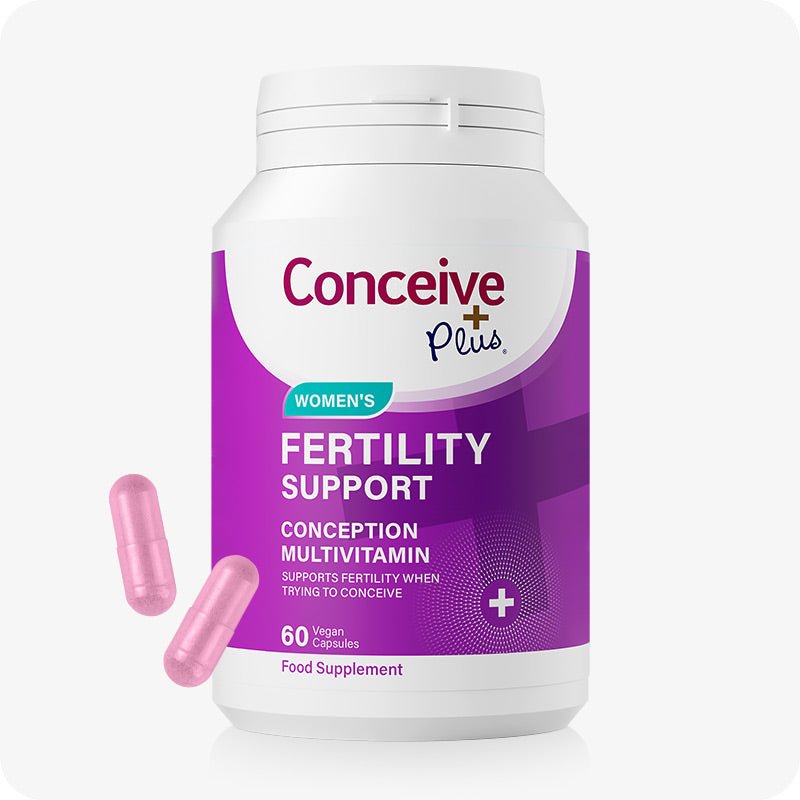
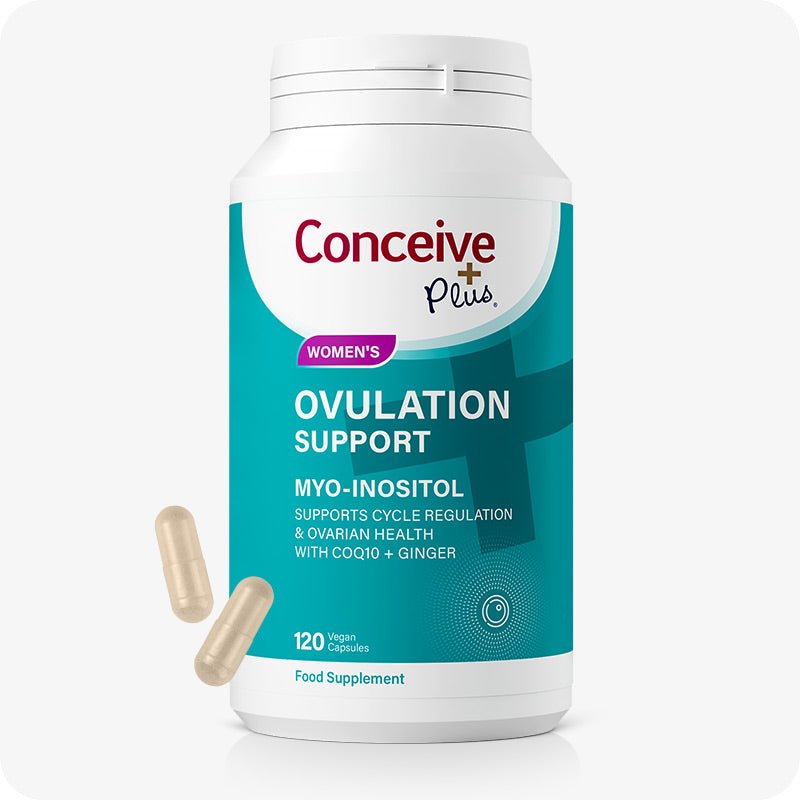
Our fertility supplements combine Myo-Inositol with essential vitamins to support healthy hormone balance and regular ovulation.
Shop Now — $36.00✓ Free shipping available | ✓ Trusted by millions of couples worldwide
🌱 Support Your Fertility Journey
Conceive Plus fertility supplements are clinically formulated to help regulate your cycle and support egg quality.
Shop Fertility Support →Frequently Asked Questions
Recommended by Fertility Experts
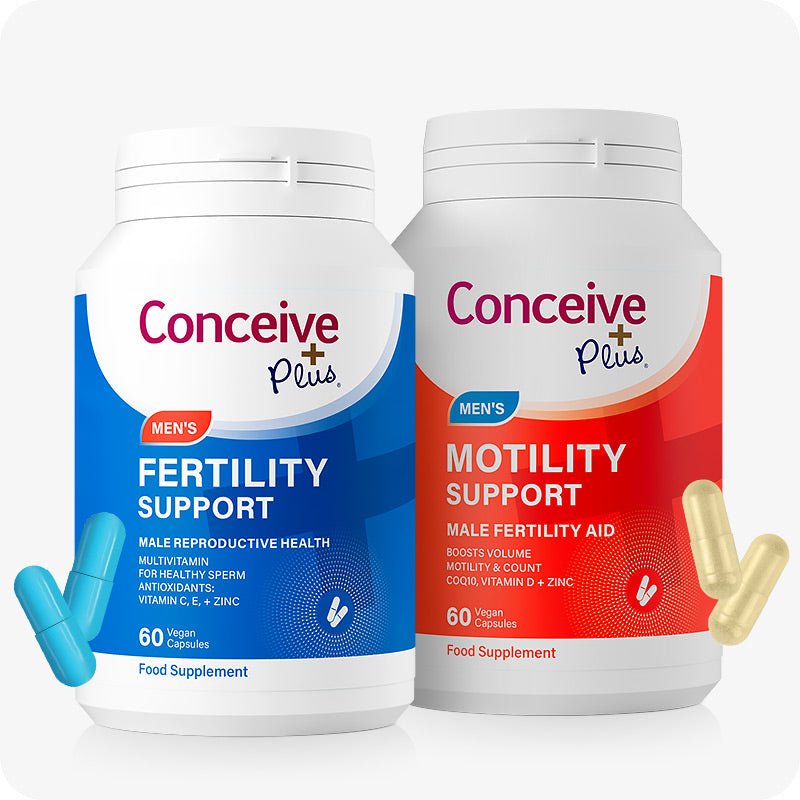
Conceive Plus Men's Fertility Support
Designed to support healthy sperm production, motility, and overall male reproductive health with clinically studied nutrients.
Shop Now →What is the best time to start preparing for pregnancy?
It's recommended to begin preparing your body for pregnancy at least three months before you start trying to conceive. This allows time to establish healthy habits, address any nutritional deficiencies, and ensure your body is in optimal condition for conception. The NHS suggests this preconception period is ideal for discussing your health with your GP and making any necessary lifestyle adjustments.
How long does it typically take to get pregnant in the UK?
Most couples conceive within six months to a year of regular unprotected intercourse. However, fertility varies significantly between individuals and couples. The NHS recommends seeking fertility advice if you're under 35 and have been trying unsuccessfully for a year, or if you're over 35 and have been trying for six months.
What role do vitamins and supplements play in conception?
Certain vitamins and supplements can support reproductive health and hormone balance when trying to conceive. Key nutrients include folic acid (recommended by the NHS at 400 micrograms daily), vitamin D, and Myo-Inositol, which may help regulate ovulation. It's advisable to discuss any supplementation with your GP or a registered dietitian to ensure they're appropriate for your individual needs.
How can I track my ovulation to improve my chances of getting pregnant?
You can track ovulation using several methods, including monitoring your basal body temperature, observing cervical mucus changes, or using ovulation predictor kits available from UK pharmacies. Many couples also find fertility apps helpful for identifying their fertile window, typically the five days before ovulation and the day of ovulation itself. For more personalised guidance, your GP or a fertility clinic registered with the HFEA can provide additional support.
Are there lifestyle changes that can improve fertility?
Yes, several lifestyle factors can enhance your chances of conception, including maintaining a healthy weight, reducing stress, limiting alcohol consumption, and avoiding smoking. Regular moderate exercise, a balanced diet rich in nutrients, and adequate sleep are also beneficial for b
When should I seek professional fertility advice in the UK?
The NHS recommends seeking fertility support if you're under 35 and have been trying to conceive for over a year, or if you're over 35 and have been trying for six months. You can initially speak with your GP, who can provide initial assessments and referrals to NHS fertility clinics or HFEA-registered private clinics if needed. Early intervention can help identify any underlying issues and improve your chances of successful conception.
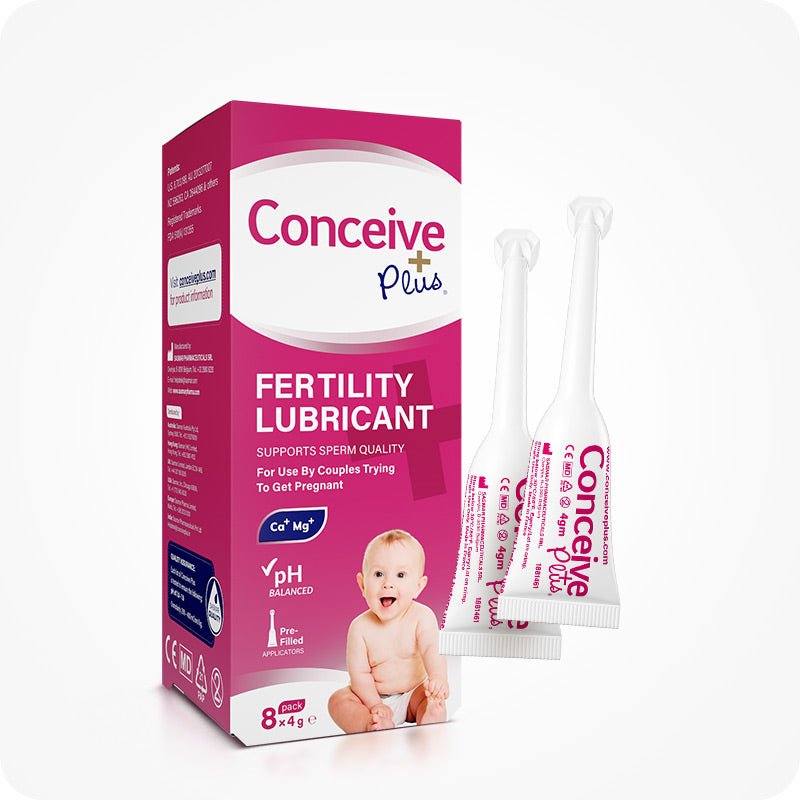
What is the difference between fertility lubricants and regular lubricants?
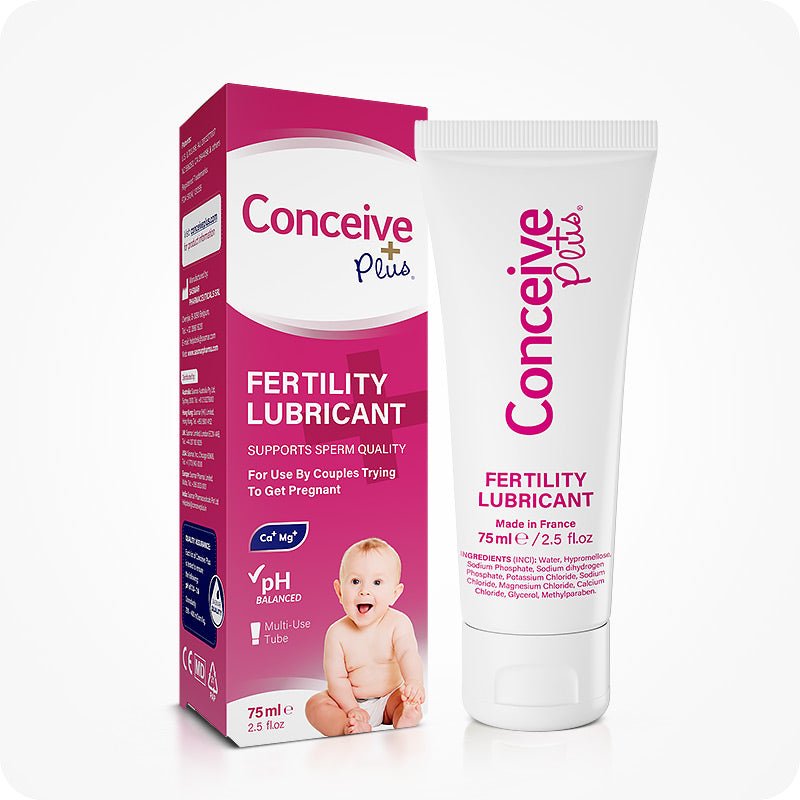
Fertility-friendly lubricants are specifically formulated to mimic natural cervical fluid and maintain sperm viability, unlike many standard lubricants which can be spermicidal or damaging to sperm. The FDA-approved fertility lubricants available in the UK are designed not to interfere with conception and can be safely used throughout your cycle. If you need a lubricant whilst trying to conceive, it's worth choosing one specifically formulated for fertility rather than a general-purpose alternative.
Trusted by Couples in Over 70 Countries
Support Male Fertility From the Inside Out
Male fertility is just as important as female fertility in the conception journey. Conceive Plus Men's range delivers targeted nutritional support to promote healthy sperm and overall reproductive wellbeing.
Shop Men's Range →