Fertility Diet and Nutrition for Conception: What to Eat When Trying to Get Pregnant


Fertility Diet and Nutrition for Conception: What to Eat When Trying to Get Pregnant
When you're trying to conceive, what you eat matters more than most people realise. Research over the past decade has dramatically expanded our understanding of how nutrition influences fertility — affecting everything from egg quality and sperm production to hormonal balance and uterine receptivity. The good news is that dietary changes can produce meaningful improvements in fertility outcomes, often within just a few months.
This guide brings together the latest evidence on fertility diet and nutrition for conception, offering practical, evidence-based guidance for both women and men who are trying to get pregnant. Whether you're just starting your journey or have been trying for some time, optimising your nutrition is one of the most powerful tools in your fertility toolkit.
The Mediterranean Diet: The Gold Standard for Fertility Nutrition
When researchers study which dietary patterns best support fertility, the Mediterranean diet consistently comes out on top. This eating pattern, characterised by abundant fruits, vegetables, whole grains, legumes, nuts, olive oil, and moderate fish consumption, has been associated with significantly better fertility outcomes in multiple large-scale studies.
A landmark study published in Human Reproduction followed over 2,000 women undergoing IVF treatment and found that those who closely followed a Mediterranean dietary pattern had a 65-68% higher likelihood of achieving pregnancy and live birth compared to those with the lowest adherence. The benefits were most pronounced for women over 35, suggesting that dietary quality becomes increasingly important as fertility naturally declines with age.
For men, the Mediterranean diet has been associated with improved sperm concentration, motility, and morphology. A Spanish study of over 200 men attending fertility clinics found that those with the highest Mediterranean diet scores had significantly better overall sperm quality. The antioxidant richness of this eating pattern appears to protect sperm DNA from oxidative damage — a major contributor to male fertility problems.
Key principles of fertility-supporting Mediterranean eating:
- Fill half your plate with colourful vegetables at every meal
- Choose whole grains over refined carbohydrates
- Use olive oil as your primary cooking fat
- Eat oily fish 2-3 times per week
- Snack on nuts and seeds rather than processed foods
- Moderate red meat consumption (2-3 portions per week maximum)
- Include legumes at least 3-4 times per week
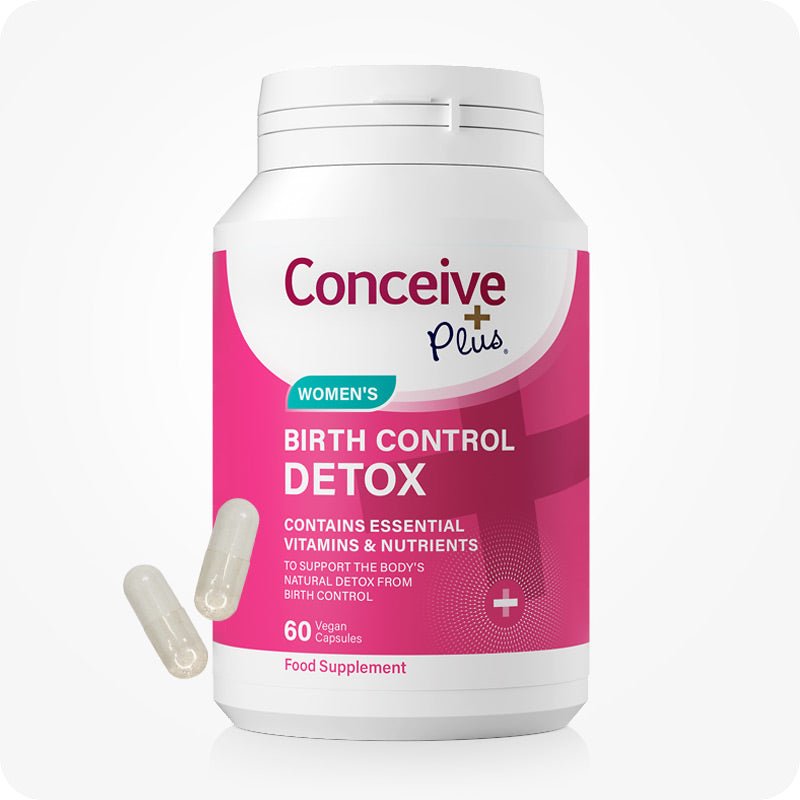
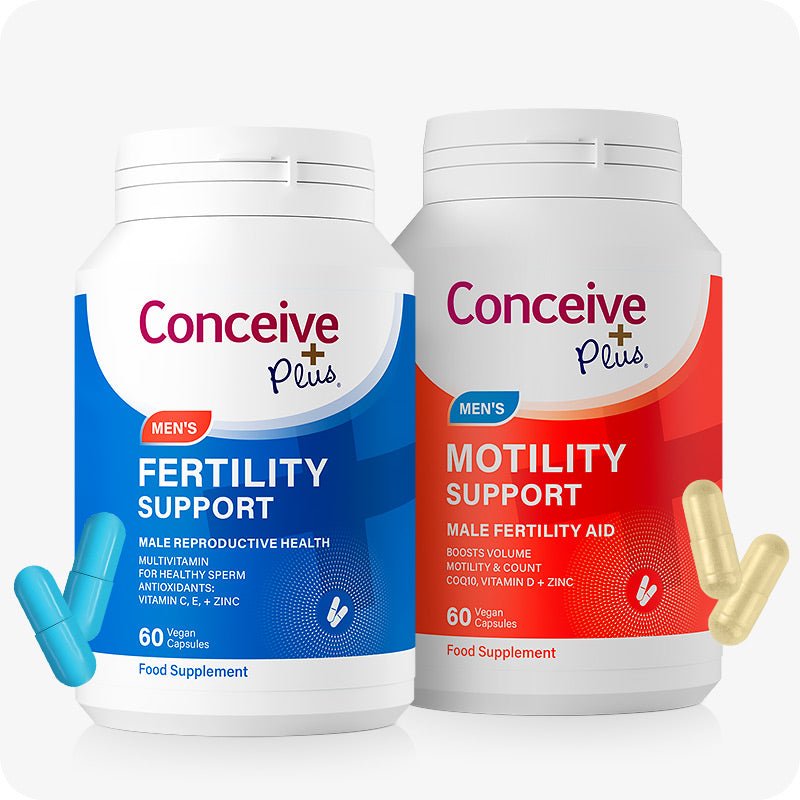
Support your fertility journey from every angle. Explore Conceive Plus Supplements →
Key Nutrients for Female Fertility
While overall dietary quality matters enormously, certain specific nutrients have outsized importance for female fertility. Understanding these nutrients — and ensuring you get enough of them — can meaningfully support your chances of conception.
Folate (Vitamin B9): The most famous fertility nutrient, folate is essential for DNA synthesis, cell division, and neural tube development in early pregnancy. The NHS recommends 400mcg daily for women trying to conceive and during the first 12 weeks of pregnancy (500mcg if you've previously had a pregnancy affected by neural tube defects). Food sources include leafy greens, legumes, citrus fruits, and fortified foods. The natural form found in food (folate) and the synthetic form in supplements (folic acid) both have benefits — look for supplements containing methylfolate if you have MTHFR gene variants.
Iron: Women with ovulatory infertility often have suboptimal iron levels. The Nurses' Health Study found that women who consumed iron from plant sources and supplements had significantly lower rates of ovulatory infertility. Aim for 18mg daily from a combination of haem iron (meat, fish) and non-haem iron (legumes, spinach, fortified cereals). Pair plant-based iron sources with vitamin C to significantly enhance absorption.
Omega-3 fatty acids: These essential fats support egg quality, reduce inflammation, and are crucial for foetal brain development. Research shows that women with higher omega-3 levels have better-quality eggs and improved IVF outcomes. Aim for 2-3 portions of oily fish weekly (salmon, mackerel, sardines, trout, herring) or supplement with 1-2g daily of algae-based omega-3s (a fish-free option with the same benefits).
Vitamin D: Often called the "sunshine vitamin," vitamin D actually functions as a hormone that influences reproductive function at multiple levels. Low vitamin D is associated with reduced IVF success rates, irregular ovulation, and polycystic ovary syndrome (PCOS). Most people in the UK are deficient, particularly during autumn and winter. The NHS recommends 10mcg (400 IU) daily for everyone; those trying to conceive may benefit from 25-50mcg (1,000-2,000 IU) under medical guidance.
Antioxidants (vitamins C and E, coenzyme Q10): Oxidative stress damages eggs and disrupts hormonal signalling. Antioxidants neutralise free radicals, protecting egg quality. Coenzyme Q10 (CoQ10) is particularly important as it powers the energy production in eggs — the same mitochondrial energy that drives egg maturation and early embryo development. Studies show CoQ10 supplementation can improve egg quality, particularly in women over 35.
Zinc: Essential for cell division, DNA synthesis, and hormonal balance, zinc is crucial for fertility in both sexes. For women, zinc supports egg maturation and progesterone production. Rich sources include oysters, red meat, pumpkin seeds, legumes, and fortified cereals.
Key Nutrients for Male Fertility
Male fertility nutrition is an often-overlooked aspect of trying to conceive. Yet sperm quality — including count, motility, and morphology — is a significant factor in roughly half of all fertility challenges. The good news: sperm quality can improve significantly with dietary optimisation, often within 2-3 months (the typical sperm production cycle).
Zinc: No mineral is more important for male fertility than zinc. It's concentrated in the testes and plays direct roles in testosterone production, sperm formation, and sperm motility. Studies show that zinc supplementation can increase sperm count and motility in men with deficiencies. Men should aim for 11mg daily from oysters, red meat, pumpkin seeds, nuts, and legumes.
Selenium: This trace mineral is essential for the development of healthy sperm structure — specifically the sperm tail (flagellum) that enables movement. Selenium deficiency is associated with reduced sperm motility and increased DNA fragmentation. Just 1-2 Brazil nuts daily provides sufficient selenium, or supplement with 55-100mcg daily.
Lycopene: Found primarily in cooked tomatoes, lycopene is a powerful antioxidant that concentrates in testicular tissue and protects sperm from oxidative damage. Studies suggest lycopene supplementation can improve sperm count, motility, and morphology. Eating tomato products regularly — especially cooked tomatoes in sauces — is an easy way to boost lycopene intake.
Vitamin C: This antioxidant protects sperm DNA from oxidative damage and helps maintain sperm motility. Men who smoke or consume little vitamin C tend to have higher rates of sperm DNA fragmentation. Aim for at least 90mg daily from citrus fruits, kiwis, peppers, and berries — but significantly more (500-1,000mg supplementally) may benefit men with high oxidative stress.
Omega-3 fatty acids: DHA (a type of omega-3) is a major structural component of sperm cell membranes, particularly in the sperm head. Studies show that men with low DHA levels have more structural sperm abnormalities. Regular oily fish consumption or algae-oil supplementation can meaningfully improve sperm membrane integrity.
Foods to Limit or Avoid When Trying to Conceive
Fertility nutrition is not only about what to eat — it's equally about what to reduce or eliminate. Several dietary patterns and specific foods are associated with impaired fertility:
Ultra-processed foods: Foods with long ingredient lists containing artificial additives, refined starches, and industrial oils are associated with poorer fertility outcomes in both sexes. A large prospective study found that frequent consumption of ultra-processed foods was associated with a 16% lower fertility rate in women. These foods promote inflammation and oxidative stress while displacing nutrient-dense foods from the diet.
Trans fats: Even before they were largely removed from the food supply, trans fats were specifically linked to ovulatory infertility — just a 2% increase in trans fat calories was associated with a 73% higher risk of ovulatory infertility in the Harvard Nurses' Health Study. While trans fats are largely banned in the UK, they can still appear in some imported and processed foods. Check labels for "partially hydrogenated oils."
Sugar and refined carbohydrates: High glycaemic diets — characterised by refined carbohydrates, sugary drinks, and sweets — cause insulin spikes that can disrupt ovulation by interfering with LH secretion and driving up androgens. This is particularly concerning for women with PCOS, where insulin resistance is a central feature. Choose whole grains, legumes, and fruits over refined starches and added sugars.
Alcohol: Evidence links even moderate alcohol consumption with reduced fertility. Studies suggest that drinking more than 4 units per week can reduce female fertility by up to 16-26%. For men, alcohol reduces testosterone, impairs sperm production, and can cause erectile dysfunction. The safest approach when trying to conceive is to avoid alcohol entirely or limit consumption to very occasional, small amounts.
Excessive caffeine: High caffeine intake (over 200-300mg daily, roughly 2-3 cups of coffee) has been associated with slightly reduced fertility and increased miscarriage risk. Moderate caffeine consumption (1-2 cups of coffee or equivalent per day) appears safe for most people, but it's sensible to stay within recommended limits when trying to conceive.
High-mercury fish: Shark, swordfish, marlin, and certain tuna varieties accumulate high levels of methylmercury, which can impair fertility and harm foetal neurological development. Stick to lower-mercury oily fish like salmon, mackerel, sardines, and trout — which provide omega-3 benefits without the mercury risk.
The Gut-Fertility Connection
Emerging research is revealing a fascinating connection between gut health and fertility. The gut microbiome — the trillions of bacteria that inhabit your digestive tract — influences hormone metabolism, immune function, inflammation, and even egg and sperm quality.
The uterine microbiome specifically has become an area of intense fertility research. The composition of bacteria in the uterus appears to influence embryo implantation and early pregnancy outcomes. While we're still learning about how to optimise the uterine microbiome, gut health interventions appear to have positive downstream effects.
To support gut health for fertility:
- Eat a diverse range of plant foods (aim for 30+ different plants per week)
- Include fermented foods daily: yogurt, kefir, kimchi, sauerkraut, kombucha
- Prioritise dietary fibre from vegetables, fruits, legumes, and whole grains
- Minimise artificial sweeteners, which can disrupt microbiome composition
- Consider a high-quality probiotic supplement, particularly if you've recently taken antibiotics
Weight, Body Composition, and Fertility
Body weight has a significant impact on fertility for both men and women. Both extremes — being underweight or significantly overweight — can impair reproductive function:
For women, excess body fat produces oestrogen in adipose tissue, disrupting the hormonal signals that regulate ovulation. PCOS is closely linked to insulin resistance and excess weight. Studies show that even a 5-10% reduction in body weight can restore ovulation in women who have stopped menstruating due to excess weight.
Being underweight carries different but equally significant risks. Very low body fat signals to the hypothalamus that the body lacks resources to sustain a pregnancy, triggering a shutdown of reproductive hormones. Athletes, those with eating disorders, and anyone with very low BMI may experience hypothalamic amenorrhoea — the cessation of periods — which makes conception impossible.
For men, excess weight is associated with lower testosterone, higher oestrogen levels, poorer sperm quality, and increased scrotal temperature (which impairs sperm production). Studies show that losing excess weight significantly improves semen parameters.
The goal for both partners trying to conceive is to reach and maintain a healthy BMI (18.5-24.9) through a combination of balanced nutrition and appropriate physical activity — not crash diets or extreme exercise, which can themselves stress the reproductive system.
Practical Meal Planning for Fertility
Translating nutrition science into daily eating doesn't need to be complicated. Here's a practical framework for a fertility-supporting week of eating:
Breakfast options:
- Greek yogurt with berries, mixed seeds, and a drizzle of honey
- Poached eggs on wholegrain toast with smashed avocado and wilted spinach
- Overnight oats with chia seeds, walnuts, and stewed apple
Lunch options:
- Large mixed salad with tinned sardines or salmon, olives, and roasted chickpeas
- Lentil soup with wholegrain bread and a large handful of walnuts
- Quinoa bowl with roasted vegetables, feta, and tahini dressing
Dinner options:
- Grilled salmon with roasted Mediterranean vegetables and wholegrain couscous
- Chicken and vegetable stir-fry with brown rice and sesame seeds
- Bean and vegetable curry with whole wheat chapati and plain yogurt
Snack ideas:
- Mixed nuts and dried fruit (avoid sulphite-preserved varieties)
- Hummus with vegetable crudités
- A piece of fruit with a small portion of cheese
- Kefir or a small pot of live yogurt
Frequently Asked Questions
Q: How long does it take for dietary changes to improve fertility?
A: Egg quality improves over approximately 90 days (one egg maturation cycle), and sperm production cycles take around 72-74 days. This means you should ideally start fertility-supporting dietary changes at least 3 months before you plan to begin trying to conceive. However, it's never too late to start — improvements begin happening from the first day you change your habits.
Q: Should both partners change their diet?
A: Absolutely. Male factor is involved in approximately 40-50% of fertility challenges, and sperm quality responds meaningfully to dietary and lifestyle optimisation. Making dietary changes together also makes it more sustainable and creates a shared investment in your fertility journey.
Q: Is organic food worth buying for fertility?
A: Some pesticide residues (particularly endocrine disruptors like organophosphates) have been linked to fertility impairment in research studies. However, the evidence is not strong enough to make organic food a requirement. If budget allows, prioritising organic for the "dirty dozen" (the most pesticide-heavy produce: strawberries, apples, grapes, peppers, etc.) is a reasonable precaution. Washing all produce thoroughly reduces but doesn't eliminate pesticide residues.
Q: Can a vegan diet support fertility?
A: Yes, but with careful attention. Vegan diets can be excellent for fertility if well-planned, but require particular attention to vitamin B12 (must supplement — found only in animal products), vitamin D, omega-3 DHA (supplement with algae oil), zinc, iron, and iodine. A registered dietitian can help you optimise a plant-based diet for fertility.
Q: Should I take a prenatal vitamin before getting pregnant?
A: Yes — starting a prenatal vitamin at least 3 months before trying to conceive is recommended. The most critical period for folate is the first 28 days after fertilisation, often before a pregnancy test is positive. A prenatal vitamin provides a nutritional safety net alongside an overall healthy diet.
Q: Does caffeine really affect fertility?
A: Moderate caffeine (up to 200mg daily — roughly 1-2 cups of coffee) appears to have minimal impact on fertility for most people. Higher intakes are associated with slightly longer time to conception and increased miscarriage risk. If you're a heavy coffee drinker, reducing consumption when trying to conceive is a sensible precaution.
Q: What about fertility superfoods like maca or bee pollen?
A: Some superfoods marketed for fertility have limited but promising evidence. Maca root has shown some benefits for sperm quality and libido in small studies. The evidence base is not strong enough to call any individual food a proven fertility treatment, but many "fertility superfoods" are nutritious additions to a balanced diet with minimal downside.
Q: How important is hydration for fertility?
A: Very important and often overlooked. Adequate hydration is essential for cervical mucus production — the fertile-quality cervical mucus that sperm travel through must be fluid enough for sperm to swim. Dehydration thickens cervical mucus, impeding sperm movement. Aim for at least 2 litres of water daily, more if you exercise or live in a warm climate.
Q: Are there foods specifically beneficial for PCOS fertility?
A: Yes. For women with PCOS, a low-glycaemic diet is particularly important. This means choosing whole grains over refined ones, limiting sugar and sweetened beverages, and pairing carbohydrates with protein and fat to slow glucose absorption. Inositol (found in legumes, citrus, and melon) has specific evidence for improving insulin sensitivity and ovulation in PCOS. Anti-inflammatory foods (berries, fatty fish, olive oil, leafy greens) also help address the chronic low-grade inflammation common in PCOS.
Q: What's the single most impactful dietary change for fertility?
A: If you could make only one change, reducing ultra-processed food consumption and replacing it with whole foods would likely have the greatest impact. Ultra-processed foods are associated with impaired fertility through multiple mechanisms — inflammation, oxidative stress, hormonal disruption, and poor micronutrient density — while whole foods address all these simultaneously.
Fertility nutrition is not about perfection — it's about consistently choosing foods that support your reproductive health. Small, sustainable improvements in dietary quality, maintained over the months of trying to conceive, can meaningfully enhance your fertility and set the foundation for a healthy pregnancy.