Sperm Health: The Complete Guide for Men Trying to Conceive in 2026


Sperm Health: The Complete Guide for Men Trying to Conceive in 2026
When a couple struggles to conceive, the focus often turns to the woman first. But male factor infertility accounts for approximately 40–50% of all infertility cases, and sperm health plays a defining role in conception success. Understanding what influences sperm health — and what you can do to improve it — is essential for any couple trying to conceive.
This comprehensive guide covers everything you need to know about sperm health in 2026: how sperm quality is measured, what degrades it, and evidence-based strategies to optimise it for conception.
Understanding Sperm Health: The Key Parameters
When a semen analysis is performed, four primary parameters define sperm health:
- Sperm count (concentration): Normal is ≥16 million/mL per WHO 2021 criteria
- Sperm motility: Normal progressive motility is ≥30%
- Sperm morphology: Normal is ≥4% by Kruger strict criteria
- Semen volume: Normal is ≥1.4 mL
Beyond standard parameters, emerging markers include DNA fragmentation index (DFI) and reactive oxygen species (ROS) levels. High sperm DNA fragmentation is increasingly recognised as a cause of recurrent miscarriage and failed IVF even when standard semen parameters appear normal.
What Damages Sperm Health? The Evidence
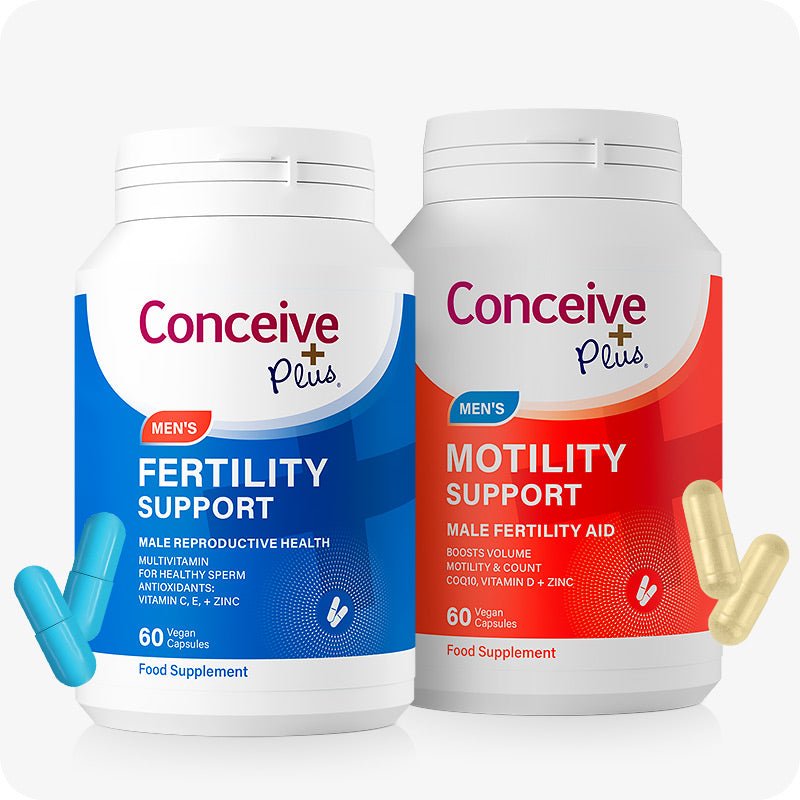
Trusted by fertility specialists worldwide — formulated with the nutrients and care your TTC journey deserves.
Shop Conceive Plus Now →
Sperm are particularly vulnerable to environmental and lifestyle factors because they are produced continuously over approximately 72–74 days (spermatogenesis). Whatever you expose yourself to during those months can influence the quality of the sperm produced.
Heat Exposure
The testes require a temperature approximately 2–4°C below core body temperature for optimal sperm production. Regular heat exposure — laptops on laps, hot baths, heated car seats, tight underwear — has been associated with reduced sperm concentration and motility. Chronic heat exposure over weeks and months can measurably impair spermatogenesis.
Oxidative Stress
Sperm cells are highly vulnerable to reactive oxygen species (ROS). Their cell membranes are rich in polyunsaturated fatty acids and they have limited intrinsic antioxidant capacity. Sources of oxidative stress include cigarette smoke, alcohol, air pollution, and varicocoele. Oxidative damage impairs motility and elevates DNA fragmentation.
Poor Diet and Lifestyle
A diet high in processed foods, trans fats, and refined carbohydrates is associated with worse sperm parameters. Smoking is one of the most well-documented lifestyle factors associated with reduced sperm quality. Alcohol consumption at moderate-to-heavy levels reduces testosterone production and impairs spermatogenesis.
Nutrients That Support Sperm Health
Zinc — The Testosterone Mineral
Zinc is essential for testosterone production, DNA repair in sperm, and normal sperm morphology. The testes have one of the highest zinc concentrations of any organ. Deficiency is associated with hypogonadism and poor sperm quality.
Selenium — Structural Sperm Support
Selenium is incorporated into the mitochondria of sperm tails as part of a structural protein essential for motility. Studies show that selenium supplementation improves sperm motility, particularly in men with baseline deficiency.
CoQ10 (Ubiquinol) — The Sperm Energy Supplement
Coenzyme Q10 is a critical component of mitochondrial energy production in sperm. Multiple randomised controlled trials have shown that CoQ10 supplementation (200–600mg/day) improves sperm concentration, motility, and morphology, particularly in men with idiopathic infertility.
L-Carnitine — Motility Support
L-carnitine and acetyl-L-carnitine are essential for fatty acid transport in sperm mitochondria and are found in high concentrations in the epididymis where sperm mature and gain motility. Supplementation has been shown to improve sperm motility and decrease oxidative stress markers in semen.
Folate (5-MTHF) — DNA Integrity
Folate is essential for nucleotide synthesis and DNA repair during spermatogenesis. Low folate is associated with increased sperm DNA fragmentation and aneuploidy. The active form (5-MTHF) is recommended for men who may have MTHFR gene variants.
The Role of Fertility Lubricants in Male Fertility
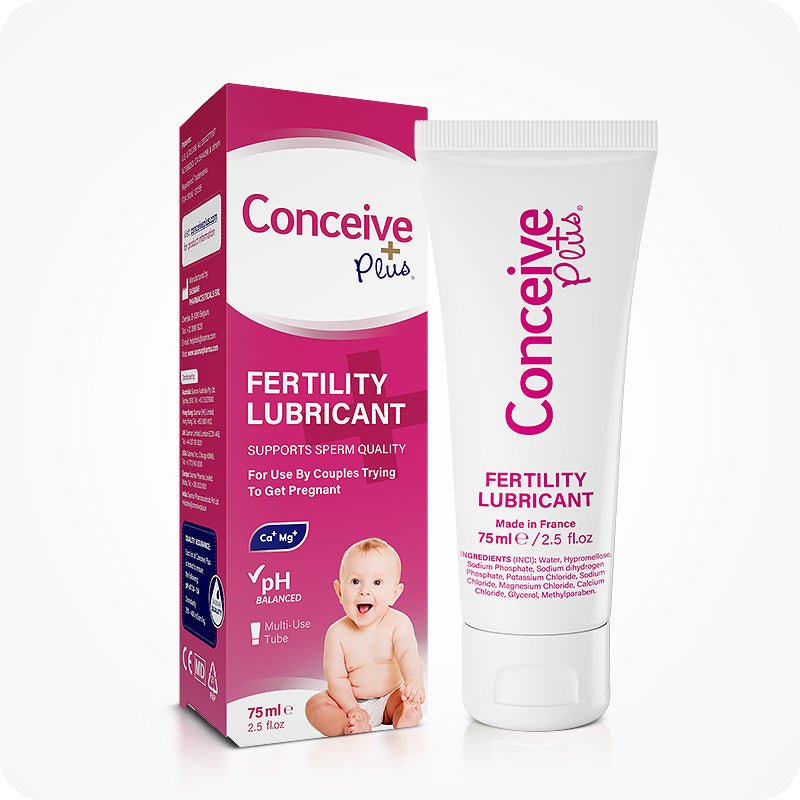
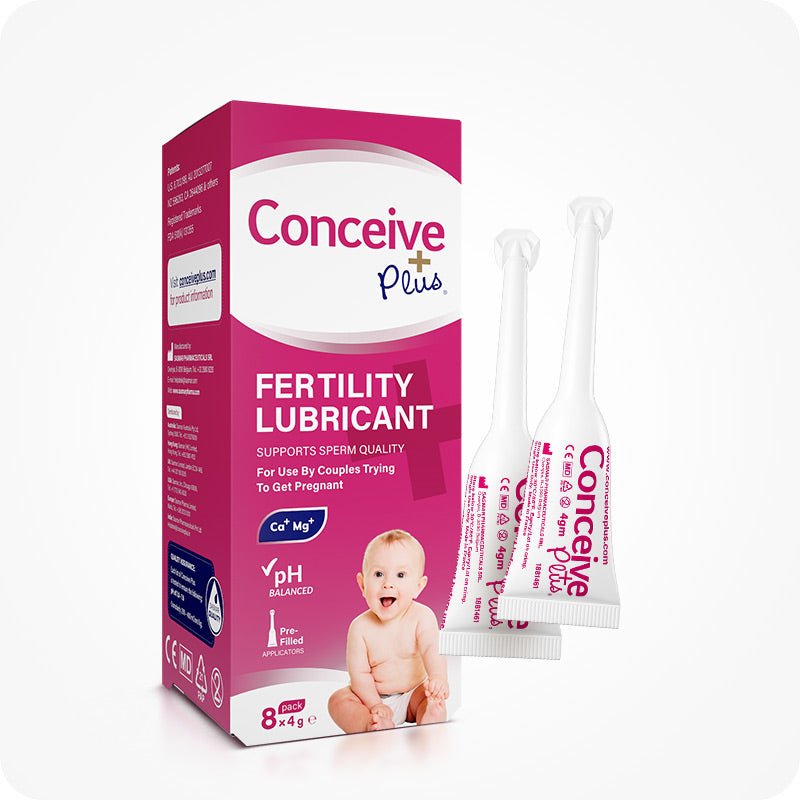
One frequently overlooked factor in sperm health during TTC is the choice of lubricant. Research demonstrates that common lubricants reduce sperm motility by up to 60% within minutes of exposure — due to non-physiological pH, hyperosmotic formulation, and absence of ions critical for sperm function.
Conceive Plus is formulated to avoid all three problems — with physiological pH (7.0–8.5), isotonic osmolality, and the addition of calcium and magnesium ions naturally present in fertile cervical mucus and essential for sperm capacitation. If you're trying to conceive, switching to Conceive Plus is a simple, evidence-based change that eliminates an unnecessary barrier.
Sperm Health and Age: What Men Need to Know
While male fertility does not have the same sharp age-related cliff as female fertility, it is not immune to age. Research shows that sperm quality declines gradually from the mid-30s onwards:
- Sperm count decreases by approximately 0.7–1% per year after 35
- Sperm DNA fragmentation increases significantly after 40
- Time to conception increases for couples when the male partner is over 45, independent of female age
When to Get a Semen Analysis
Standard guidelines suggest evaluation after 12 months of unprotected intercourse for couples under 35, and 6 months if the female partner is over 35. At-home semen testing kits provide a useful initial screening. However, full laboratory analysis provides considerably more information, including morphology and DNA fragmentation.
Frequently Asked Questions About Sperm Health
Q: How long does it take to improve sperm health?
A: Sperm take approximately 74 days to mature. Any lifestyle or supplement intervention made today will reflect in your semen analysis in roughly 3 months. This is why a minimum 90-day supplementation period is recommended before reassessing.
Q: How often should we have sex when trying to conceive?
A: Research suggests intercourse every 1–2 days during the fertile window maximises conception probability. Daily ejaculation in men with normal sperm counts does not significantly deplete sperm quality, while abstinence of more than 4–5 days can actually reduce motility.
Q: Does boxers vs briefs make a difference?
A: Studies suggest that tight-fitting underwear is associated with higher scrotal temperatures and modestly lower sperm concentration. During TTC, loose-fitting underwear is a simple, low-cost change.
Q: What is a normal sperm count in 2026?
A: The 2021 WHO criteria set the lower reference limit at 16 million sperm per millilitre (or 39 million total per ejaculate). Note that these represent the 5th percentile of fertile men — not an optimal level.
Q: Does varicocoele affect sperm health?
A: Yes — varicocoele is one of the most common correctable causes of male infertility. It elevates testicular temperature and increases oxidative stress. Surgical repair has been shown to improve sperm parameters and pregnancy rates.
Q: Can supplements fix severe male infertility?
A: Supplements are most effective for men with mild to moderate sperm issues and idiopathic infertility. Severe cases typically require medical intervention including hormonal treatment or assisted reproduction.
Q: Can I take Conceive Plus supplements alongside other medications?
A: Most fertility supplements have good safety profiles. However, consult your GP or urologist before starting any supplementation, particularly if you are on blood thinners, have kidney disease, or are receiving hormonal treatment for infertility.
Q: How does choosing the right lubricant impact our TTC efforts?
A: Most lubricants significantly harm sperm. Switching to Conceive Plus fertility lubricant removes this avoidable obstacle — it is pH-balanced, isotonic, and contains the ions that support sperm function during the conception journey.
For personalised advice about male fertility, consult a urologist or reproductive specialist.
Trusted by fertility specialists worldwide — formulated with the nutrients and care your TTC journey deserves.
Explore the Full Conceive Plus Range →