Fertility Diet: What to Eat When Trying to Conceive


Fertility Diet: What to Eat When Trying to Conceive
The food you eat in the months before conception has a measurable impact on hormonal balance, egg quality, sperm health, and the likelihood of a healthy pregnancy. A fertility diet isn't a fad — it's a nutrition strategy grounded in decades of reproductive science. Whether you're just beginning your TTC journey or months into trying, what lands on your plate matters more than most couples realise.
This guide covers everything you need to know about building a fertility-supportive diet: which nutrients are most critical, what to eat and what to avoid, how diet affects both female and male fertility, and how to complement your food choices with the right supplements for fertility. Conceive Plus fertility supplements are designed to fill the nutritional gaps that even the best diet can leave behind.
What Is a Fertility Diet?
A fertility diet is a pattern of eating designed to optimise reproductive health in both men and women. It's not about perfection or restriction — it's about consistently choosing foods that support hormonal signalling, reduce inflammation, protect egg and sperm quality, and maintain a healthy body weight.
The most well-studied fertility dietary pattern comes from the landmark Nurses' Health Study II at Harvard, which followed over 17,000 women and identified specific dietary patterns that significantly reduced the risk of ovulatory infertility. The fertility diet pattern that emerged included higher intake of plant protein, full-fat dairy, complex carbohydrates, iron-rich plant foods, and multivitamins — while minimising trans fats, refined carbohydrates, and excess animal protein.
More recent research has corroborated and extended these findings to include sperm quality, embryo development, and IVF outcomes. What you eat shapes your fertility biology at a cellular level.
Key Nutrients in a Fertility Diet
Ready to support your fertility journey?
Conceive Plus offers clinically formulated fertility supplements and lubricants trusted by couples worldwide.
Shop Conceive Plus →A fertility diet isn't just about macronutrients — it's about micronutrient density. Here are the most critical nutrients to prioritise:
Folate (methylfolate): Essential before conception for neural tube development. Also critical for DNA synthesis in eggs and embryos. Choose food folate (dark leafy greens, lentils, avocado) and a supplement containing methylfolate rather than synthetic folic acid.
Iron: The Nurses' Health Study found women with higher intake of plant-based (non-haem) iron had significantly lower rates of ovulatory infertility. Good sources include lentils, spinach, tofu, and fortified cereals. Pair with vitamin C to enhance absorption.
Zinc: Critical for egg maturation, fertilisation, and early embryo development in women. In men, zinc is the single most important mineral for testosterone production, sperm motility, and morphology. Find it in pumpkin seeds, legumes, beef, and oysters.
Omega-3 fatty acids: Anti-inflammatory, pro-fertility. DHA supports oocyte quality and fetal brain development. Eat fatty fish (salmon, sardines, mackerel) 2–3 times weekly or consider a purified fish oil supplement.
Antioxidants (vitamins C and E, selenium, CoQ10): Protect eggs and sperm from oxidative damage. Colourful fruits, vegetables, nuts, and seeds are your best sources.
Vitamin D: Supports ovulation, endometrial receptivity, and immune regulation. Deficiency is widespread in the UK — most people need supplementation, especially through autumn and winter. Conceive Plus fertility supplements include vitamin D3 in its most bioavailable form.
Top Fertility Foods for Women
Building your fertility diet around these foods provides the nutritional foundation your reproductive system needs:
Dark leafy greens (spinach, kale, rocket) — Folate, iron, calcium, antioxidants
Avocado — Healthy monounsaturated fats, folate, vitamin E, potassium
Oily fish (salmon, sardines) — Omega-3 DHA/EPA, vitamin D, selenium
Full-fat dairy — The Nurses' Study found one serving of full-fat dairy daily was associated with lower ovulatory infertility risk
Lentils and legumes — Plant protein, folate, iron, zinc
Eggs — Choline, vitamin D, selenium, complete protein
Berries (blueberries, strawberries, raspberries) — High antioxidant load from vitamin C and polyphenols
Walnuts — Omega-3 ALA, vitamin E, magnesium
Whole grains (quinoa, oats, brown rice) — Slow-release carbohydrates, B vitamins, zinc
Brazil nuts — One of the richest dietary sources of selenium (just 2 per day meets your needs)
Fertility Diet for Men: What He Should Eat Too
Male diet is just as important as female diet. Sperm quality is directly influenced by oxidative stress, micronutrient status, and inflammation — all of which are shaped by diet. Research shows that men consuming a healthy dietary pattern (more fruits, vegetables, whole grains, fish, and legumes) have significantly better sperm parameters than those eating a Western diet.
Specific nutrients to target for male fertility through diet:
- Zinc: Oysters, beef, pumpkin seeds — directly supports testosterone and sperm production
- Selenium: Brazil nuts, tuna, eggs — antioxidant protection for sperm DNA
- Lycopene: Cooked tomatoes, watermelon — associated with improved sperm morphology
- Vitamin C: Citrus, peppers, kiwi — reduces sperm DNA fragmentation
- Folate: Green vegetables, lentils — men with low folate have higher rates of chromosomal abnormalities in sperm
- L-carnitine: Red meat, fish — important for sperm energy metabolism and motility
What to Limit or Avoid on a Fertility Diet
Equally important is what to minimise. Research consistently links the following with reduced fertility in both men and women:
Trans fats: Found in processed baked goods, fried fast food, and some margarines. Even small amounts are associated with increased ovulatory infertility risk. Check labels for partially hydrogenated oils.
Refined carbohydrates and added sugars: High-glycaemic foods spike blood glucose and insulin, disrupting ovulatory hormones. Swap white bread, white rice, and sugary drinks for whole grain alternatives.
Alcohol: Even moderate alcohol consumption is associated with reduced fertility in women. For men, heavy drinking reduces testosterone and impairs sperm quality. Most fertility specialists recommend eliminating alcohol while TTC.
Processed meats: High in saturated fat, nitrates, and pro-inflammatory compounds. Associated with poorer sperm morphology in men and potentially reduced fertility in women.
Excess caffeine: Some studies suggest more than 200–300 mg daily (roughly 2 cups of coffee) may slightly reduce fertility. The evidence is mixed, but moderation is prudent.
Very low-fat diets: Fat is essential for hormone production. Extremely low-fat diets can suppress ovulation. Healthy fats from avocado, olive oil, nuts, and oily fish should be a staple.
The Mediterranean Diet and Fertility
Among all dietary patterns studied, the Mediterranean diet has the most consistent evidence for supporting fertility in both men and women. A large study of 485 women undergoing IVF in Greece found that adherence to a Mediterranean diet in the 6 months before treatment was associated with a 65–68% greater chance of achieving a pregnancy and live birth.
The Mediterranean diet emphasises:
- Abundant vegetables, fruits, legumes, whole grains
- Olive oil as the primary fat source
- Moderate intake of fish and seafood
- Moderate amounts of poultry, eggs, and dairy
- Limited red meat and processed foods
- Water as the primary drink
It's naturally high in antioxidants, omega-3 fats, plant protein, complex carbohydrates, and key micronutrients — making it the ideal fertility diet framework. Pair it with Conceive Plus fertility supplements for complete nutritional coverage.
Fertility Diet and Body Weight
Body weight significantly affects fertility through its impact on hormone balance. Both excess weight and insufficient weight can disrupt ovulation and reduce fertility in women.
In women with excess weight, elevated oestrogen levels (produced by adipose tissue) can suppress the hormonal signals needed for regular ovulation. Conversely, underweight women may lose ovulatory function as the body conserves energy.
A fertility diet naturally supports a healthy body weight by emphasising nutrient-dense whole foods, lean protein, healthy fats, and complex carbohydrates while minimising empty-calorie processed foods. The goal isn't a specific number on the scale — it's metabolic health and hormonal balance.
Should You Take Fertility Supplements Alongside Your Diet?
Even the best fertility diet has gaps. Food folate is less reliably absorbed than supplemental methylfolate. Vitamin D requires sun exposure that most UK residents don't get year-round. CoQ10 is present in meat and fish but in amounts far below therapeutic doses used in fertility research. Omega-3s require consistent oily fish consumption 2–3 times weekly.
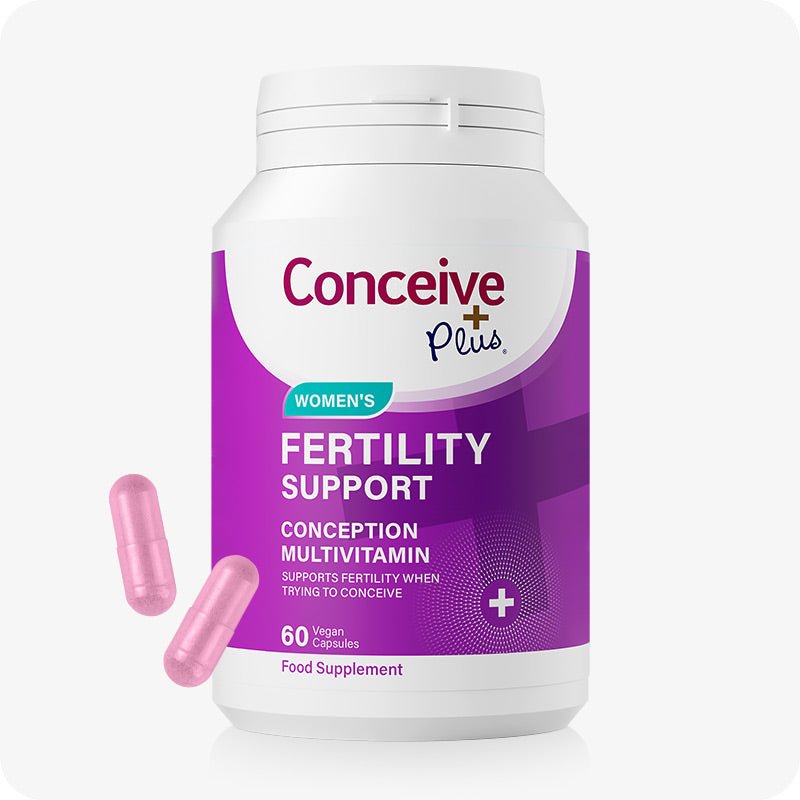
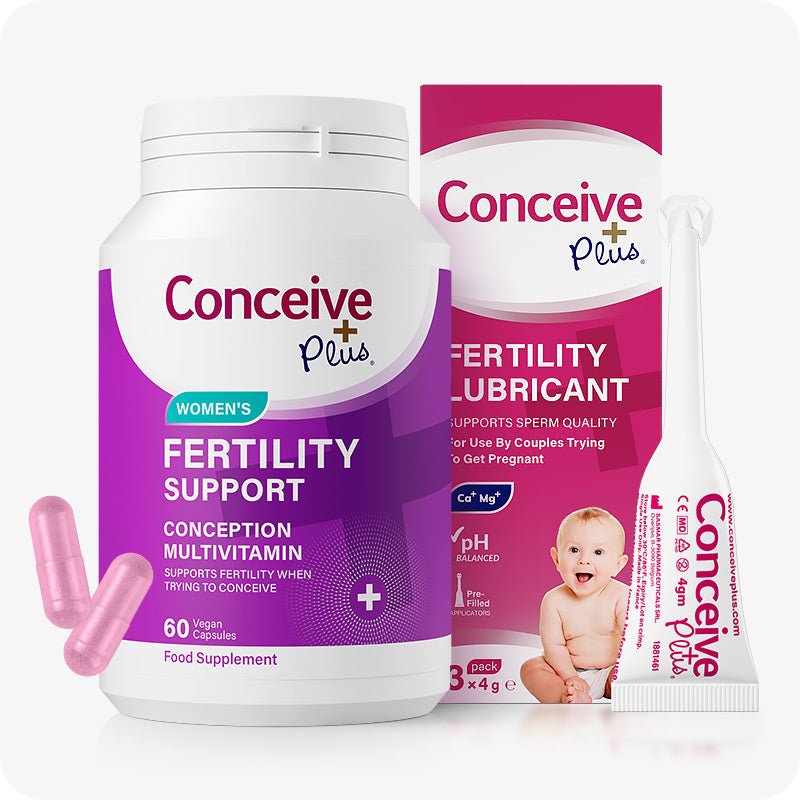
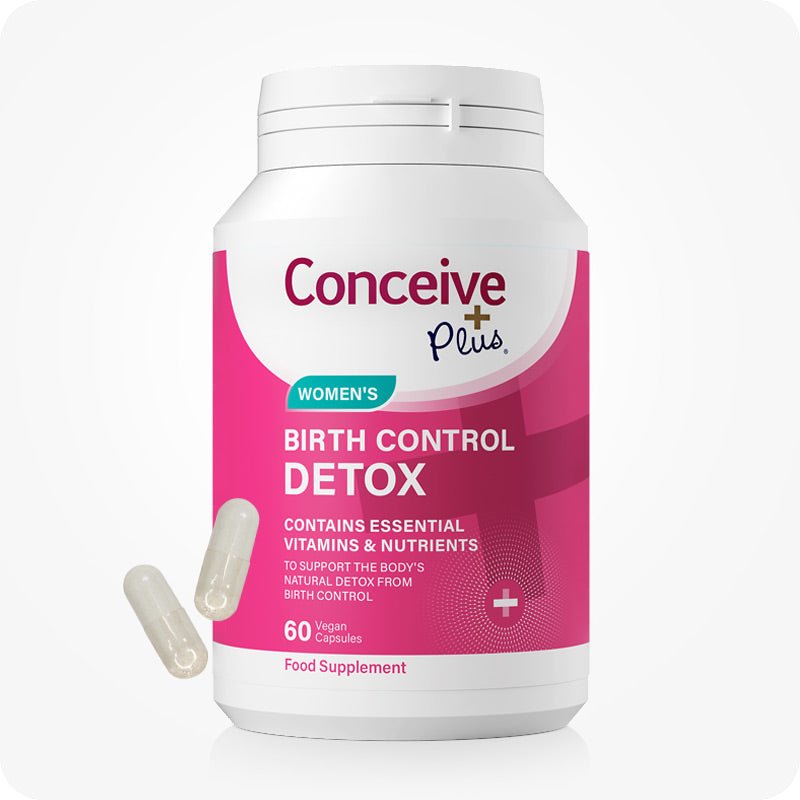
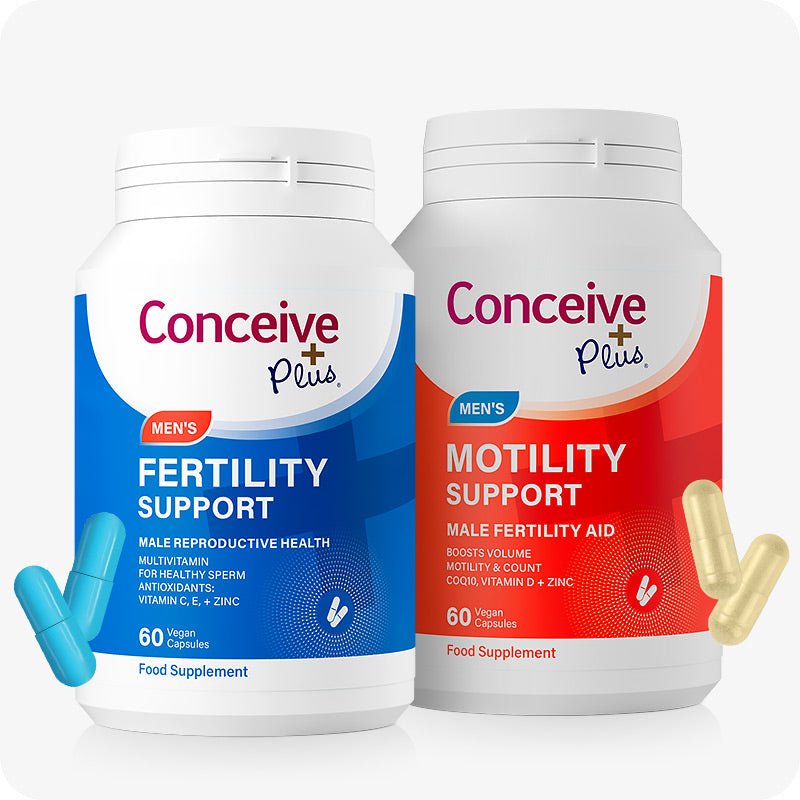
Conceive Plus fertility supplements are designed to complement — not replace — a fertility diet. They provide key micronutrients in clinically relevant doses and in their most bioavailable forms (methylfolate not folic acid, ubiquinol not ubiquinone, D3 not D2), filling the nutritional gaps that even a well-planned diet may leave.
Frequently Asked Questions: Fertility Diet
Q: How long does it take for diet changes to improve fertility?
A: Egg maturation takes approximately 90 days. Sperm production takes 72–90 days. Dietary changes made today will have their full effect on eggs and sperm in roughly 3 months. Start your fertility diet as early as possible — ideally 3+ months before trying to conceive.
Q: Is a vegan diet compatible with a fertility diet?
A: Yes, with careful planning. Vegans must ensure adequate intake of iron, zinc, omega-3 (from algae-based DHA/EPA), vitamin B12, vitamin D, and calcium. A high-quality vegan prenatal supplement is essential.
Q: Does gluten affect fertility?
A: For women with undiagnosed coeliac disease, yes — untreated coeliac significantly impairs nutrient absorption and is linked to menstrual disruption. For women without coeliac or gluten sensitivity, there's no clear evidence that gluten-free eating improves fertility.
Q: Can diet alone address PCOS-related fertility issues?
A: Diet is the first-line intervention for PCOS. A low-GI diet helps regulate insulin, reducing the hormonal imbalances that suppress ovulation. Weight loss of even 5–10% of body weight in women with PCOS can restore regular ovulation in many cases.
Q: Are organic foods worth it for fertility?
A: Some pesticides have endocrine-disrupting properties. A 2018 Harvard study found higher pesticide residue intake was associated with lower sperm concentration and poorer IVF outcomes. If budget allows, prioritise organic for the Dirty Dozen (strawberries, spinach, apples, etc.).
Q: Should I cut out dairy entirely on a fertility diet?
A: The Nurses' Study found full-fat dairy was protective, while skim dairy was slightly associated with higher ovulatory infertility risk. The evidence doesn't support eliminating dairy. If you tolerate dairy well, one serving of full-fat dairy daily fits a fertility diet.
Q: Does caffeine really reduce fertility?
A: The evidence is mixed and mostly pertains to very high intake. Keeping caffeine under 200 mg/day (roughly one strong coffee) is prudent while TTC. Herbal teas make good alternatives.
Q: Is intermittent fasting a good idea on a fertility diet?
A: Extended fasting can disrupt the hormonal axis regulating ovulation. Most fertility specialists recommend consistent, balanced eating — prioritising meal quality over meal timing — while TTC.
Q: What's the single most important dietary change to improve my fertility?
A: If forced to pick one: increase the variety and quantity of vegetables and legumes you eat, while reducing processed foods and refined carbohydrates. This shift alone improves antioxidant status, insulin sensitivity, folate intake, and gut health — all relevant to fertility.
Take the Next Step with Conceive Plus
Join hundreds of thousands of couples who trust Conceive Plus for their fertility journey. Our products are FDA-cleared, clinically researched, and designed for real results.
Explore Conceive Plus Products