MY FERTILITY - HOW CAN I TELL IF I'M FERTILE (CHARTING FERTILITY)
How can I tell if I am fertile!
During ovulation estrogen levels rise and cause the amount of salt in saliva to increase. Saliva is tested first thing each morning before eating, drinking or brushing your teeth. When you begin to see the ferning pattern ovulation is approaching.When are you ovulating
The time of optimum fertility can vary even among those women with regular cycles. There are many options available to determine when you are ovulating. These range from commercially available test kits, as well as natural methods. They are designed to assist in identifying the most fertile days to have intercourse when trying to conceive. These methods have been shown to predict ovulation in approximately 50% of the time and are best suited to couples who do not have regular intercourse. Its important to take care not to create stress associated with timing intercourse, as this can cause reduced sexual esteem, and satisfaction and the frequency of intercourse. Ovulation tests (In Stream) These ovulation kits measure the level of luteinizing hormone (LH) in your urine. This is one of the hormones that signals to the ovaries to release an egg. The levels of LH begin to rise around 36 hours before you ovulate however many kits are only sensitive enough to detect a change until 24 hours prior. Mini Ovulation Microscopes During ovulation estrogen levels rise and cause the amount of salt in saliva to increase. When placed on a microscope slide crystallized salts in dried saliva for a distinctive ìfern leafî patter which signals when ovulation has begun. You should test saliva as a first thing each morning before eating, drinking or brushing your teeth. When you begin to see the ferning pattern ovulation is approaching.Charting
Your body provides natural signs to indicate when you are ovulating and when you are most fertile. These signs can be tracked in a process called charting. By recording the patter of changes in the body to identify your fertile days within each cycle. These natural changes include: - Changes to your bodyís base temperature (basal temperature) - Changes to the quality and consistency of cervical fluid - The shape and position of the cervixChanges to your body temperature

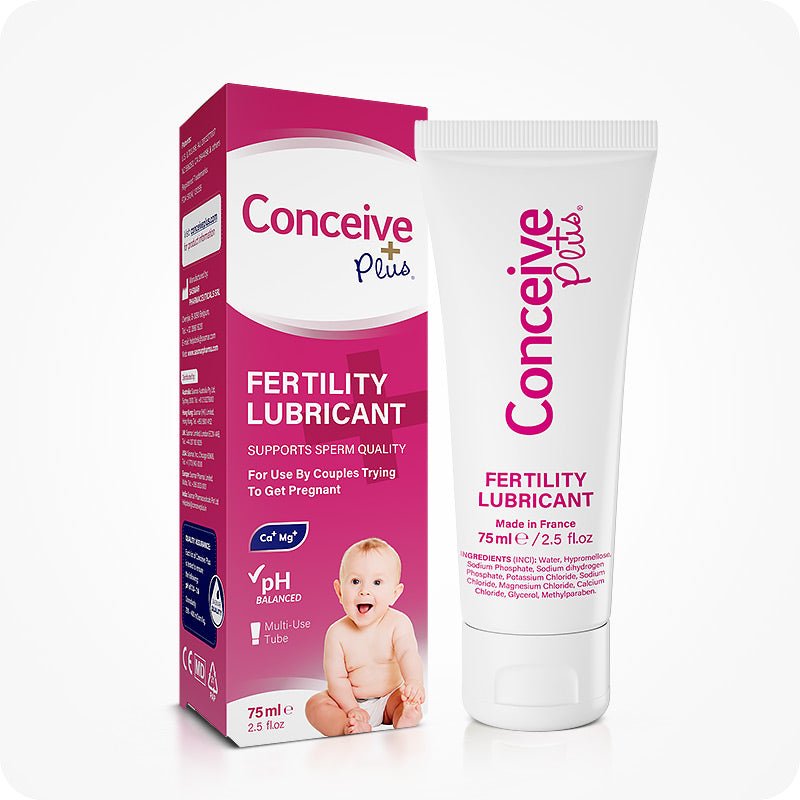
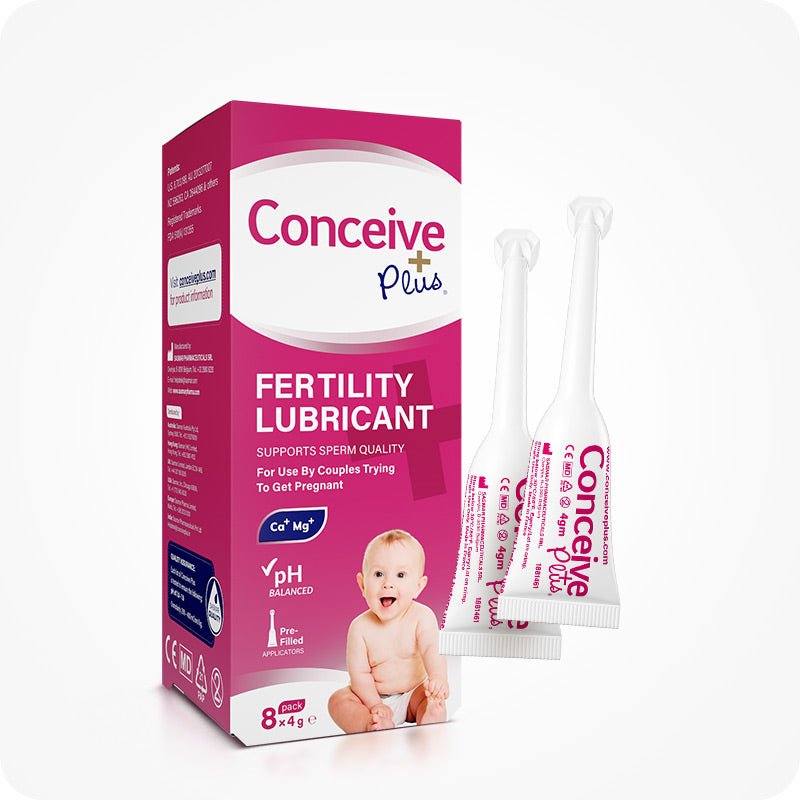
✨ The #1 Fertility-Friendly Lubricant
Regular lubricants can harm sperm. Conceive Plus is clinically shown to maintain sperm motility — used by couples in over 70 countries.
Shop Now — $19.99✓ Free shipping available | ✓ Trusted by millions of couples worldwide
Best time to record body temperature
The best time to record this is immediately on waking up in the morning, preferably at the same time each day, using a basal thermometer. Try to make it the first thing you do moving as little as possible before hand as any movement will increase your bodies temperature. Changes to cervical mucus The consistency of cervical mucus changes during the cycle due to hormonal fluctuations. Many women find that by observing and recording changes it is possible to predict ovulation and the most fertile time for possible conception. The presence of cervical mucus during ovulation supports sperm and facilitates sperm transport to the egg as well as insulating sperm from the natural acidity inside the vagina. Leading vaginal tightening clinic in Australia can consult you on this issue in more detail.Cervical mucus color
Before ovulation, very little cervical fluids may be visible or noticeable. A gradual accumulation of mucus then occurs. It is generally yellow or cloudy in colour with a sticky consistency. This is known as non-fertile cervical mucus or hostile cervical mucus. As ovulation approaches the presence of cervical mucus increases. The colour changes to white or cream with a wetter consistency which is slightly tacky. Amount of fluid increases during ovulation and it is described by many women as slippery, and semi transparent. Some women find that they have problems with the amount and consistency of cervical mucus. Problems with cervical mucus can create a barrier to getting pregnant.The shape and position of the cervix
After menstruation and under the influence of estrogen, the cervix undergoes a series of changes in position and texture. Most of the menstrual cycle cervix remains firm and is positioned low and closed. However as ovulation approaches, the cervix becomes softer. It rises and opens in response to the high levels of estrogen present at ovulation. These changes, accompanied by the production of fertile types of cervical mucus, support the survival and movement of sperm. Charting tracks all of these changes. Statistically pregnancy is most likely to occur when intercourse happens within the 3-days ending on the day of ovulation.🌱 Give Sperm the Best Chance
Conceive Plus fertility lubricant is pH-balanced to support sperm on their journey. Recommended by fertility specialists worldwide.
Shop Fertility Lubricant →Frequently Asked Questions
Recommended by Fertility Experts
Conceive Plus Men's Fertility Support
Designed to support healthy sperm production, motility, and overall male reproductive health with clinically studied nutrients.
Shop Now →What is the ferning pattern and how does it help predict ovulation?
The ferning pattern is a distinctive fern-like crystallisation that appears when dried saliva is examined under a mini ovulation microscope during your fertile window. This pattern occurs because oestrogen levels rise before ovulation, increasing the salt content in your saliva. The presence of ferning indicates that ovulation is approaching, typically within the next 24-48 hours, making it a useful natural fertility indicator when tested first thing in the morning before eating, drinking, or brushing your teeth.
How accurate are over-the-counter ovulation predictor kits available in the UK?
Ovulation predictor kits, which measure luteinising hormone (LH) levels in urine, have shown an accuracy of approximately 50% in predicting ovulation timing. Most UK high street kits can detect the LH surge up to 24 hours before ovulation, though the hormone begins rising around 36 hours prior. For best results, these kits work most effectively for couples with irregular cycles and should be used alongside other tracking methods rather than as a sole fertility indicator.
What is basal body temperature charting and how do I use it?
Basal body temperature (BBT) charting involves recording your body's resting temperature each morning immediately upon waking, before any activity. Your BBT typically rises slightly (0.2-0.5°C) after ovulation due to increased progesterone levels, helping you identify when you have ovulated. Tracking this pattern over several cycles can help predict your fertile window, though it's most reliable when combined with other natural fertility signs such as cervical fluid changes.
Can timing intercourse for fertility cause relationship problems?
Yes, according to fertility experts, creating stress around timed intercourse can negatively impact sexual satisfaction, reduce sexual confidence, and decrease overall intercourse frequency—potentially counterproductive when trying to conceive. It's important to balance using fertil
What changes in cervical fluid indicate I'm approaching ovulation?
Cervical fluid changes throughout your cycle, becoming clearer, wetter, and more stretchy (similar to raw egg white) as ovulation approaches, which is often called the fertile mucus phase. This consistency makes the cervical environment more hospitable to sperm, allowing them to survive longer and travel more easily towards the egg. By charting these changes daily, you can identify your most fertile days, though this method works best for women with regular cycles and requires practice to recognise the patterns accurately.
Should I consult the NHS or a private fertility clinic about ovulation tracking?
The NHS provides fertility advice through your GP, and referral to NHS fertility services is available if you've been trying to conceive for 12 months (or 6 months if you're over 36). For personalised ovulation tracking guidance, the HFEA-regulated private fertility clinics across the UK offer specialist support, though this comes at private cost. Your GP can discuss which approach is most suitable for your circumstances and whether ovulation tracking or further fertility investigations are recommended.
Are natural fertility charting methods recommended by UK fertility organisations?
Yes, natural fertility awareness methods, including charting basal body temperature, cervical fluid, and cervical position changes, are recognised by UK fertility organisations as helpful tools for understanding your cycle. However, these methods are most effective when combined with medical assessment and are considered complementary rather than primary fertility treatments. If you're struggling to conceive after 12 months of trying, the HFEA recommends consulting an NHS or regulated private fertility specialist for proper evaluation.
Trusted by Couples in Over 70 Countries
Support Male Fertility From the Inside Out
Male fertility is just as important as female fertility in the conception journey. Conceive Plus Men's range delivers targeted nutritional support to promote healthy sperm and overall reproductive wellbeing.
Shop Men's Range →