How To Increase Your Chances Of Getting Pregnant


Pregnancy tips to help you conceive
The time to start working toward a healthy pregnancy is before you conceive. If you are trying to get pregnant quick, our pregnancy tips are good start to get your body ready for conception process.Information about Conceive Plus

✨ Trying to Conceive?
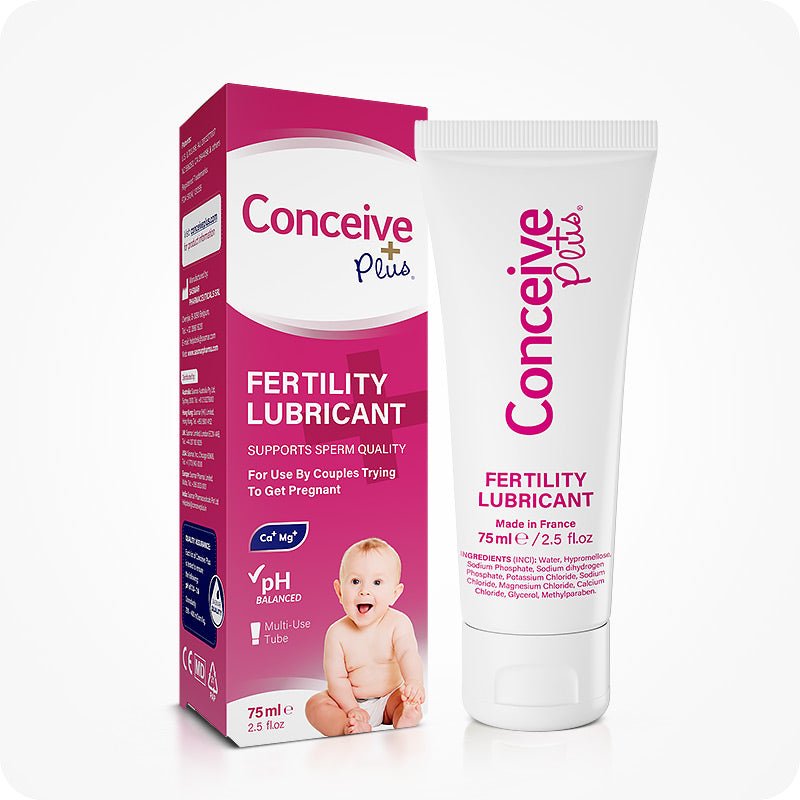
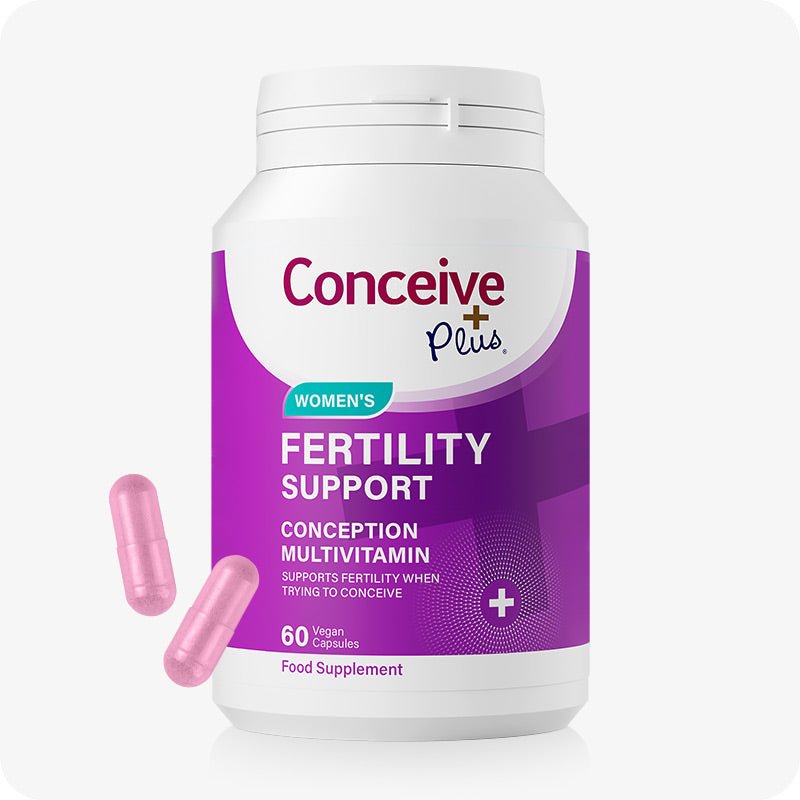
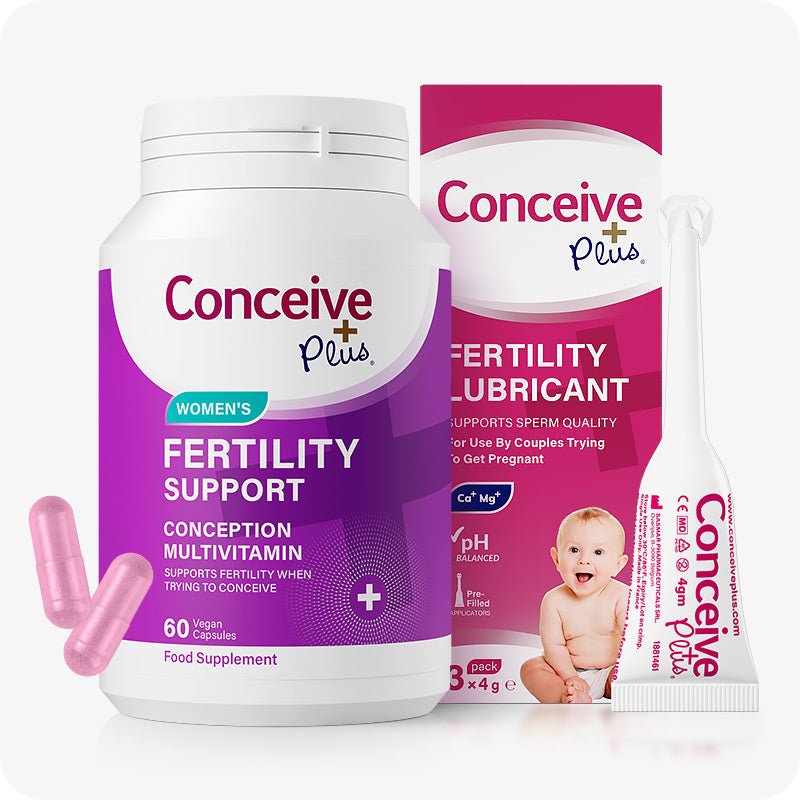
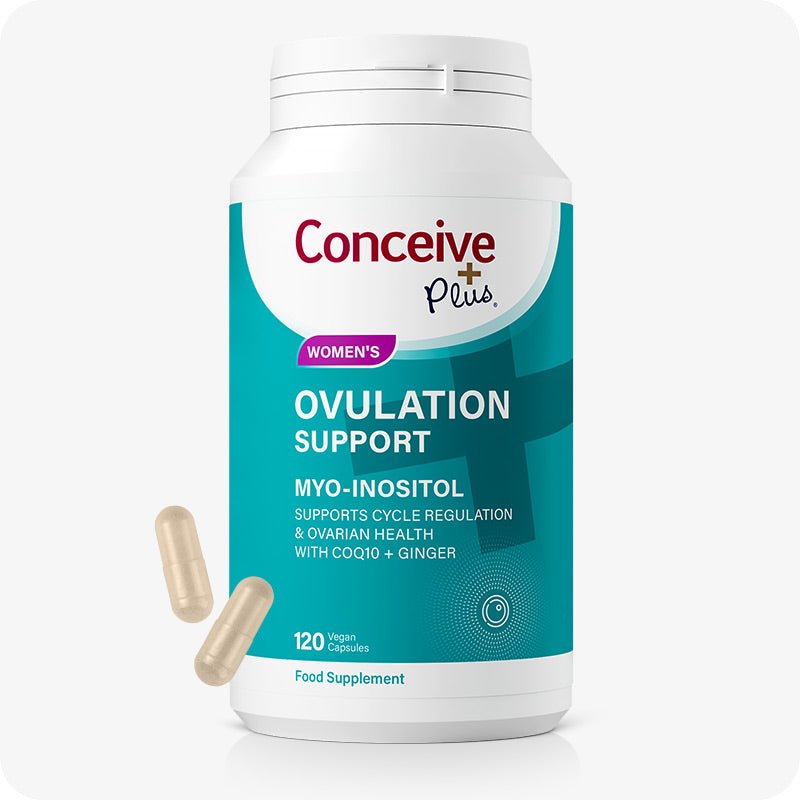
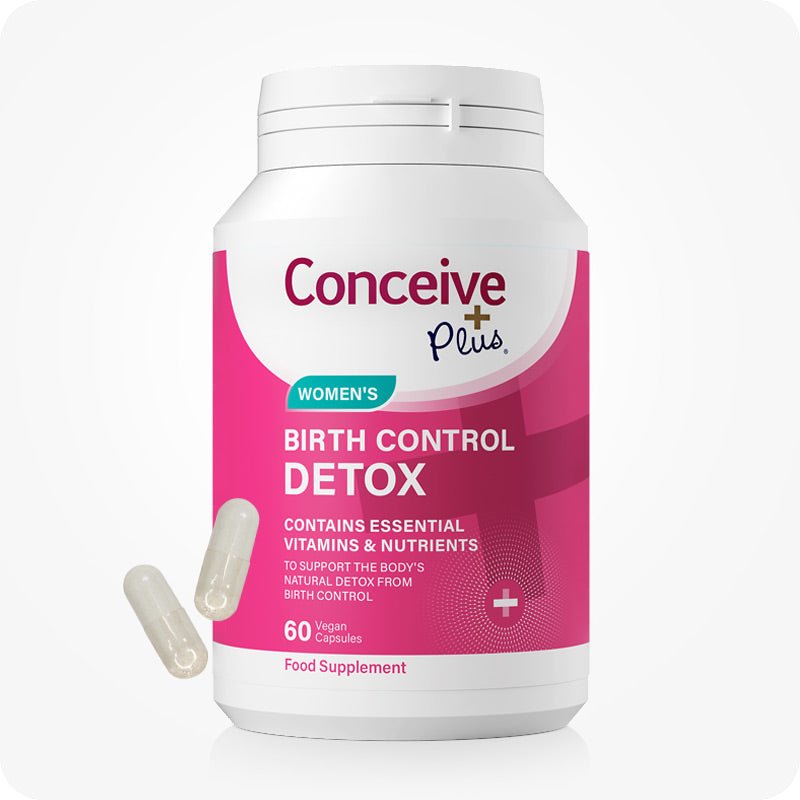
Our fertility supplements combine Myo-Inositol with essential vitamins to support healthy hormone balance and regular ovulation.
Shop Now — $36.00✓ Free shipping available | ✓ Trusted by millions of couples worldwide
🌱 Support Your Fertility Journey
Conceive Plus fertility supplements are clinically formulated to help regulate your cycle and support egg quality.
Shop Fertility Support →Frequently Asked Questions
Recommended by Fertility Experts
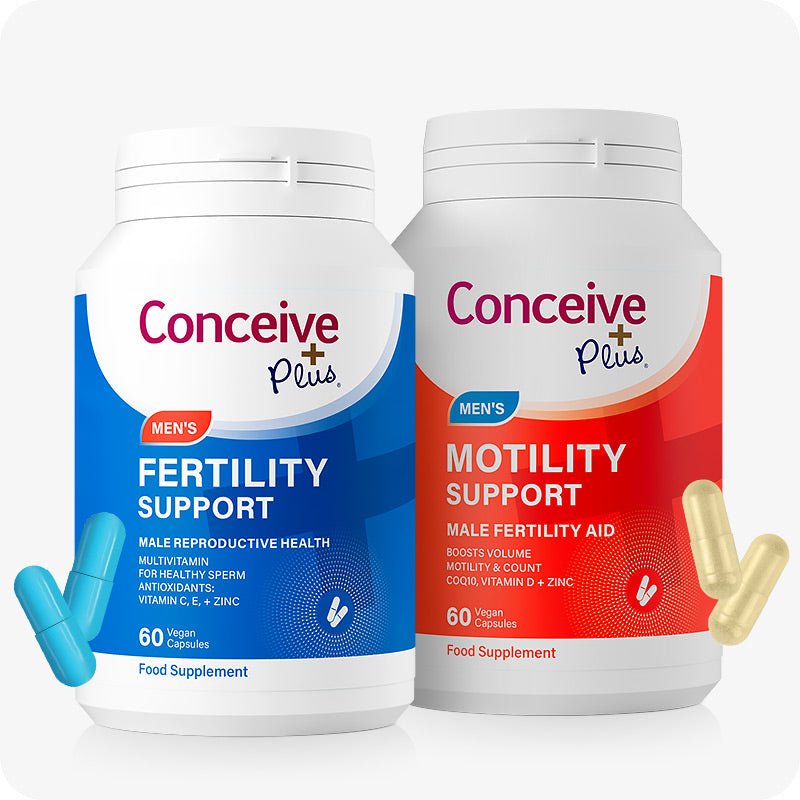
Conceive Plus Men's Fertility Support
Designed to support healthy sperm production, motility, and overall male reproductive health with clinically studied nutrients.
Shop Now →How long should I try to conceive before seeing a fertility specialist on the NHS?
The NHS typically recommends seeking fertility advice after one year of trying to conceive if you're under 35, or after six months if you're 35 or older. However, you can speak to your GP earlier if you have known fertility concerns or health conditions that may affect conception. Your GP can arrange initial investigations and refer you to an NHS fertility clinic if needed.
What lifestyle changes can improve my chances of getting pregnant?
Key lifestyle changes include maintaining a healthy weight, eating a balanced diet rich in vitamins and minerals, exercising regularly, reducing stress, and avoiding smoking and excessive alcohol. Getting adequate sleep and managing conditions like polycystic ovary syndrome (PCOS) through diet and lifestyle can also significantly improve your fertility. These changes help regulate your cycle and support overall reproductive health.
Is it worth taking fertility supplements whilst trying to conceive in the UK?
Whilst evidence varies, some supplements like folic acid, vitamin D, and inositol may support fertility when recommended by your GP or fertility specialist. It's important to consult with your healthcare provider before taking any supplements, as they can advise on what's suitable for your individual circumstances and ensure they won't interact with any medications you're taking.
Does timing intercourse around ovulation really increase pregnancy chances?
Yes, timing intercourse during your fertile window—the five days before and the day of ovulation—significantly increases your chances of conception. You can track ovulation by monitoring your menstrual cycle, observing changes in cervical mucus, or using ovulation predictor kits available from UK pharmacies. Regular intercourse throughout your cycle is also beneficial, as sperm can survive for several days.
What health checks should I have before trying to conceive?
Before trying to conceive, it's advisable to have a general health check with your GP, including blood pressure and weight assessment, screening for infections like rubella immunity, and discussion of any medications you're taking. Women should start taking folic acid supplements (400 micrograms daily) at least one month before trying to conceive to reduce the risk of neural tube defects. Your GP can also discuss lifestyle factors and any pre-existing conditions that might affect pregnancy.
Can stress and anxiety affect my ability to get pregnant?
Chronic stress and anxiety can potentially affect hormone levels and ovulation, though the relationship is complex and varies between individuals. Managing stress through relaxation techniques, exercise, counselling, or support groups can be beneficial for your overall wellbeing and may positively impact fertility. The NHS and organisations like Fertility Network UK offer support resources for those finding the conception journey emotionally challenging.
What role does male fertility play, and how can partners optimise it?
Male factor infertility accounts for approximately 40-50% of conception difficulties, so partner health is equally important. Men can improve fertility by maintaining a healthy weight, avoiding smoking and excess alcohol, reducing stress, and ensuring adequate sleep and exercise. If conception hasn't occurred after one year of trying, your partner should also be investigated, which may include semen analysis available through NHS fertility clinics.
Trusted by Couples in Over 70 Countries
Support Male Fertility From the Inside Out
Male fertility is just as important as female fertility in the conception journey. Conceive Plus Men's range delivers targeted nutritional support to promote healthy sperm and overall reproductive wellbeing.
Shop Men's Range →