"It Works! Woman With PCOS" Product Review



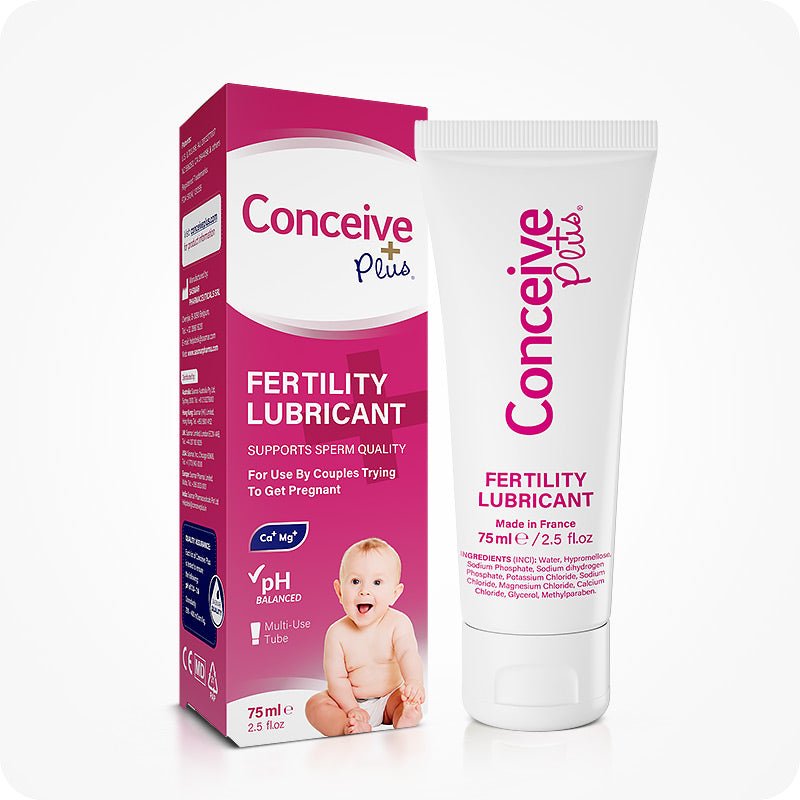
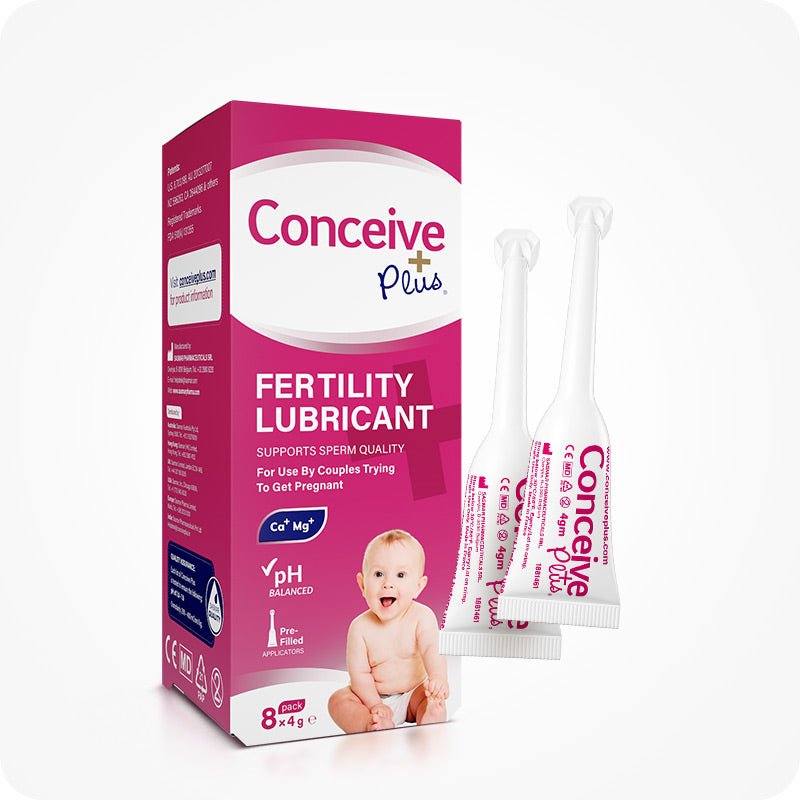
✨ The #1 Fertility-Friendly Lubricant
Regular lubricants can harm sperm. Conceive Plus is clinically shown to maintain sperm motility — used by couples in over 70 countries.
Shop Now — $19.99✓ Free shipping available | ✓ Trusted by millions of couples worldwide
🌱 Give Sperm the Best Chance
Conceive Plus fertility lubricant is pH-balanced to support sperm on their journey. Recommended by fertility specialists worldwide.
Shop Fertility Lubricant →Frequently Asked Questions
Recommended by Fertility Experts
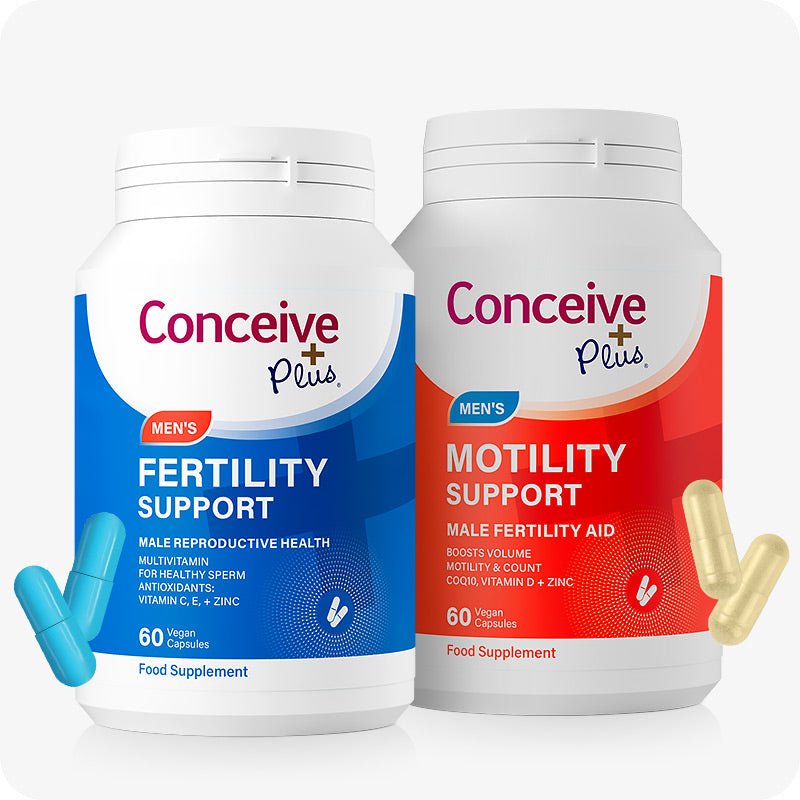
Conceive Plus Men's Fertility Support
Designed to support healthy sperm production, motility, and overall male reproductive health with clinically studied nutrients.
Shop Now →Can you get pregnant naturally with PCOS in the UK?
Yes, many women with PCOS do conceive naturally, though it may take longer due to irregular ovulation. The NHS recommends lifestyle changes such as maintaining a healthy weight and regular exercise to help improve fertility. If you've been trying to conceive for 12 months without success (or 6 months if you're over 35), speak to your GP about a referral to a fertility specialist.
What is a fertility-friendly lubricant and do I need one when TTC?
Fertility-friendly lubricants are specially formulated to support sperm motility, unlike regular lubricants which can be harmful to sperm. If you're trying to conceive and need lubrication, choosing a product that is pH-balanced and designed to mimic fertile cervical mucus can help give sperm the best chance of reaching the egg.
How long should I try to conceive with PCOS before seeing my GP?
NICE guidelines suggest that women with known fertility issues such as PCOS should speak to their GP after 6-12 months of trying to conceive without success. Your GP can arrange initial tests and refer you to an NHS fertility clinic if needed. Remember, 1 in 7 UK couples experience fertility issues, so seeking help is very common.
Does losing weight help fertility with PCOS NHS?
Yes, the NHS advises that losing even a small amount of weight can help regulate your menstrual cycle and improve ovulation if you have PCOS. Studies show that a 5-10% reduction in body weight can significantly boost your chances of conceiving naturally. Your GP or a fertility specialist can provide guidance on healthy weight management whilst TTC.
What support is available on the NHS for PCOS and fertility?
The NHS offers various treatments for PCOS-related fertility issues, including ovulation induction medications such as Clomifene or Letrozole. Eligibility for NHS-funded fertility treatment varies by Integrated Care Board (ICB), so it's worth checking your local criteria. Your GP can discuss your options and arrange a referral to a fertility clinic if appropriate.
Can a tilted uterus affect getting pregnant UK?
A tilted (retroverted) uterus is actually very common and is not typically considered a cause of infertility by the NHS. Most women with a tilted uterus can conceive naturally without any intervention. If you have concerns about your uterine position alongside other conditions like PCOS, discuss this with your GP or fertility specialist.
What does RH negative mean for pregnancy UK?
Being RH negative means your blood lacks the Rhesus D antigen, which affects around 15% of the UK population. The NHS routinely offers Anti-D injections during pregnancy and after birth to prevent complications if your baby is RH positive. Being RH negative doesn't prevent you from getting pregnant, but it's important to attend all your antenatal appointments for proper monitoring.
Trusted by Couples in Over 70 Countries
Support Male Fertility From the Inside Out
Male fertility is just as important as female fertility in the conception journey. Conceive Plus Men's range delivers targeted nutritional support to promote healthy sperm and overall reproductive wellbeing.
Shop Men's Range →