Ovulation Tracking: The Complete Guide to Finding Your Fertile Window


Ovulation Tracking: The Complete Guide to Finding Your Fertile Window
For anyone trying to conceive, understanding your cycle is the single most powerful thing you can do. Ovulation tracking — identifying the days each month when you are most fertile — can dramatically reduce the time it takes to get pregnant. Yet many couples spend months trying without ever pinpointing their fertile window accurately.
This comprehensive guide explains how ovulation works, the best methods for tracking it, and how Conceive Plus can support you throughout your fertility journey.
How Ovulation Works: The Basics
Ovulation is the release of a mature egg from one of your ovaries. It typically occurs once per menstrual cycle, approximately 14 days before your next period — though this can vary significantly between women and even between cycles in the same woman.
The hormonal sequence leading to ovulation follows a predictable pattern. In the first half of your cycle (the follicular phase), rising oestrogen levels trigger follicle development in the ovaries. When oestrogen peaks, it triggers a surge of luteinising hormone (LH) — this LH surge causes the dominant follicle to rupture and release the egg within 24–36 hours.
The egg itself is viable for only 12–24 hours after release. However, sperm can survive in fertile cervical mucus for up to 5 days. This means your "fertile window" actually spans 5–6 days: the 5 days leading up to ovulation, and the day of ovulation itself. Timing intercourse during this window is the key to conception.
Why Cycle Length Doesn't Tell the Whole Story
Support Your Fertility Journey with Conceive Plus
Trusted by couples worldwide, Conceive Plus products are formulated with the science of conception in mind.
Shop Conceive Plus →A common misconception is that if your cycle is 28 days, you ovulate on day 14. While this is true for some women, research shows significant variation. A large study published in npj Digital Medicine analysed over 600,000 menstrual cycles and found that fewer than 30% of women ovulate during days 10–17 of their cycle. Many ovulate earlier or later — making calendar-based tracking unreliable for most people.
Cycle length also varies month to month for the same woman. Stress, illness, travel, weight changes, and hormonal fluctuations can all shift ovulation by several days. This is why body-based ovulation tracking methods consistently outperform calendar calculations.
Method 1: Ovulation Predictor Kits (OPKs)
Ovulation predictor kits detect the LH surge in your urine 24–48 hours before ovulation occurs. They are the most widely used ovulation tracking tool and among the most reliable for home use.
Standard OPKs show a positive result when the test line is as dark or darker than the control line. They are affordable and widely available.
Digital OPKs display a smiley face or other clear indicator when LH is detected, removing interpretation guesswork. Some advanced digital OPKs (such as Clearblue Advanced) also track oestrogen to identify a longer "high fertility" window before the LH peak.
When to start testing: Begin testing 4–5 days before your expected ovulation. For a 28-day cycle, start on day 10. For a 35-day cycle, start around day 17.
How often to test: Test once or twice daily during your fertile window. Testing at the same time each day (afternoon is often recommended) improves consistency.
Limitations: OPKs detect LH but cannot confirm ovulation occurred. Some women (particularly those with PCOS) may have multiple LH surges without ovulation, or persistently elevated LH that makes results difficult to interpret.
Method 2: Basal Body Temperature (BBT) Tracking
Basal body temperature is your resting body temperature, taken immediately upon waking before any physical activity. After ovulation, progesterone causes BBT to rise by approximately 0.2–0.5°C (0.3–0.9°F) and remain elevated until your next period.
How to track BBT: Use a basal thermometer (more precise than a standard thermometer) and take your temperature at the same time every morning before getting out of bed. Log your readings in an app or chart.
How to identify ovulation: A sustained temperature rise of at least 0.2°C over 3 consecutive days indicates ovulation has occurred. Retrospectively, ovulation typically happened the day before the temperature rise began.
Key limitation: BBT tells you ovulation has already happened — not when it is about to happen. This makes BBT tracking most useful in retrospect, to confirm your pattern over multiple cycles, and to predict future cycles. Combine with OPKs for best results.
Method 3: Cervical Mucus Monitoring
Throughout your cycle, cervical mucus changes in texture, colour, and volume in response to oestrogen and progesterone. Learning to read these changes gives you real-time fertility information at no cost.
The typical pattern:
- Post-period: Little or no mucus (dry days)
- Early follicular phase: Sticky or crumbly white/yellow discharge
- Pre-ovulation: Creamy, white, or cloudy mucus — increasing in volume
- Peak fertility (around ovulation): Clear, stretchy, raw-egg-white mucus (EWCM). This is your most fertile sign.
- Post-ovulation: Returns to sticky or creamy, then dries up before the next period
Check mucus by wiping with toilet paper or checking your underwear. The most fertile days are those when EWCM is present.
Method 4: Fertility Monitors
Advanced home fertility monitors track multiple hormones to provide a comprehensive picture of your cycle. The Clearblue Fertility Monitor, for example, tests for both LH and oestrogen, identifying up to 6 fertile days per cycle. The Mira Fertility Tracker quantifies actual hormone levels rather than showing positive/negative results.
These devices are more expensive upfront but provide greater insight — particularly useful for women with irregular cycles or those who have been trying for several months without success.
Method 5: Ultrasound Monitoring
Follicular tracking via vaginal ultrasound is the most accurate ovulation tracking method available. A fertility clinic or gynaecologist performs serial scans beginning around day 10–12 of your cycle to watch follicle development. When the dominant follicle reaches approximately 18–22mm, ovulation is imminent.
This method is typically used in medicated fertility cycles (Clomid, Letrozole, injectables) or as part of assisted reproduction, but some clinics offer it for natural cycles too.
Combining Methods for Maximum Accuracy
No single method is perfect for every woman. The most effective approach combines at least two:
- OPKs + cervical mucus: OPKs predict the LH surge; EWCM confirms peak fertility. When both align, you are at your most fertile.
- OPKs + BBT: OPKs help time intercourse; BBT confirms ovulation occurred, helping you build a picture of your cycle over time.
- All three (OPK + CM + BBT): The Symptothermal Method, widely taught in fertility awareness programs, uses all three signs together for the highest accuracy.
How Conceive Plus Supports Ovulation and Fertility
Accurate ovulation tracking tells you when to try — but supporting your body's hormonal and nutritional environment helps maximise the chances of successful conception each month.
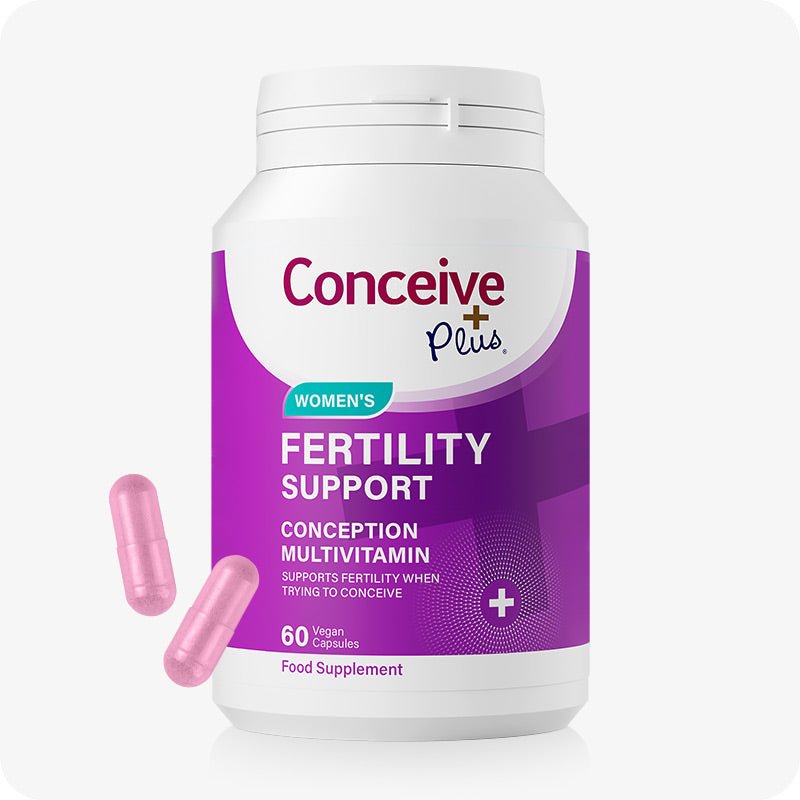
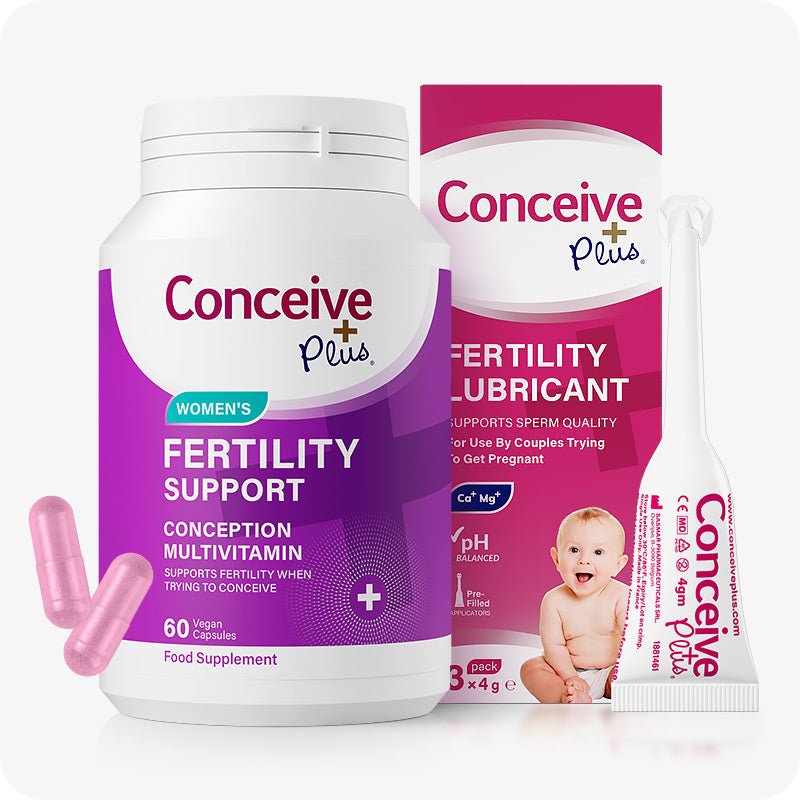
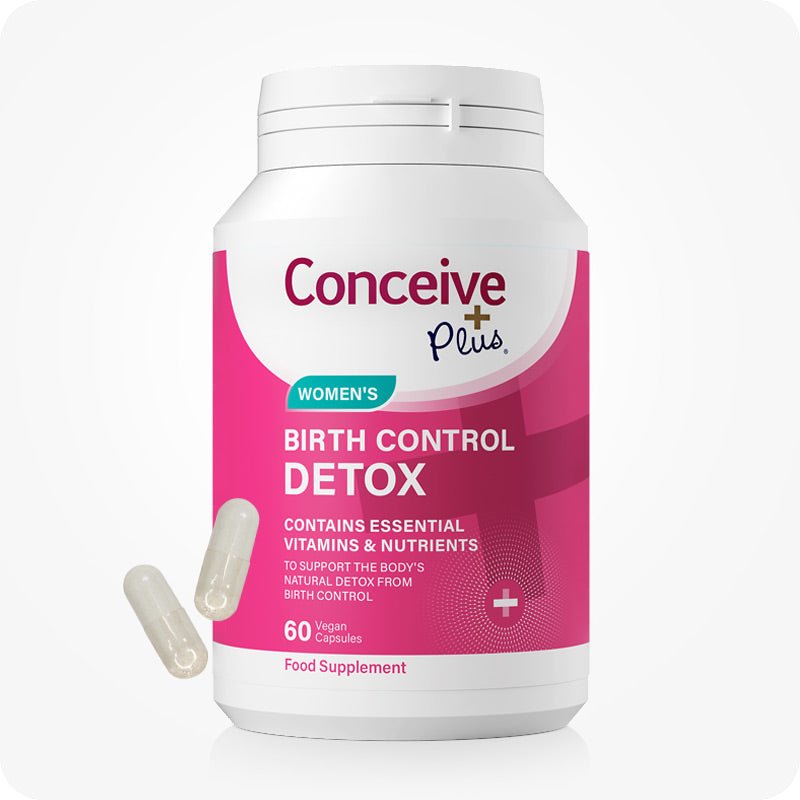
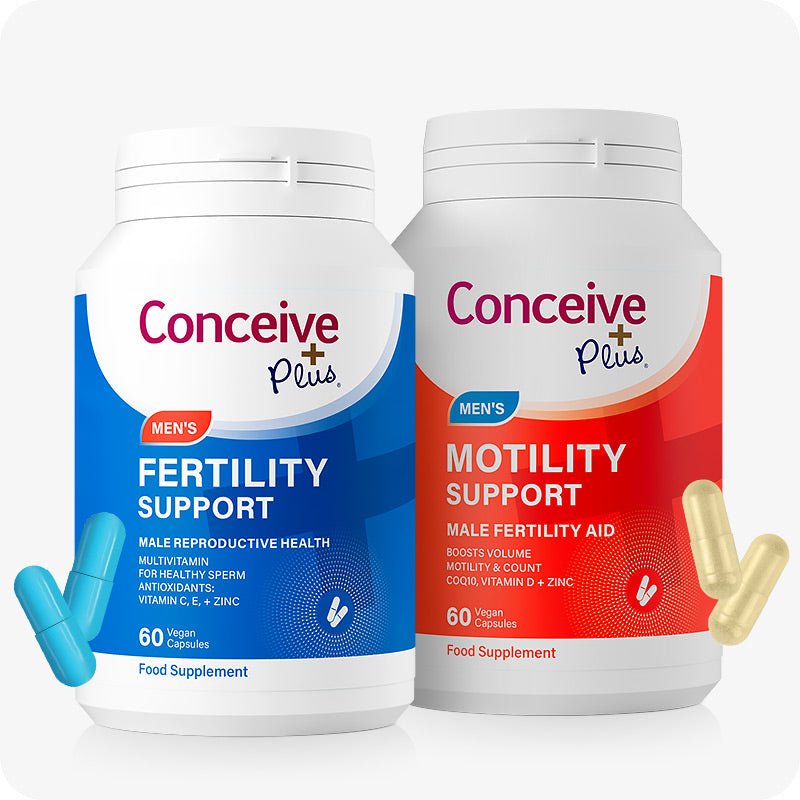
Conceive Plus offers a range of fertility supplements formulated to support both women's and men's reproductive health. For women, key nutrients include:
- Folate (as methylfolate): Essential for egg quality and early embryo development
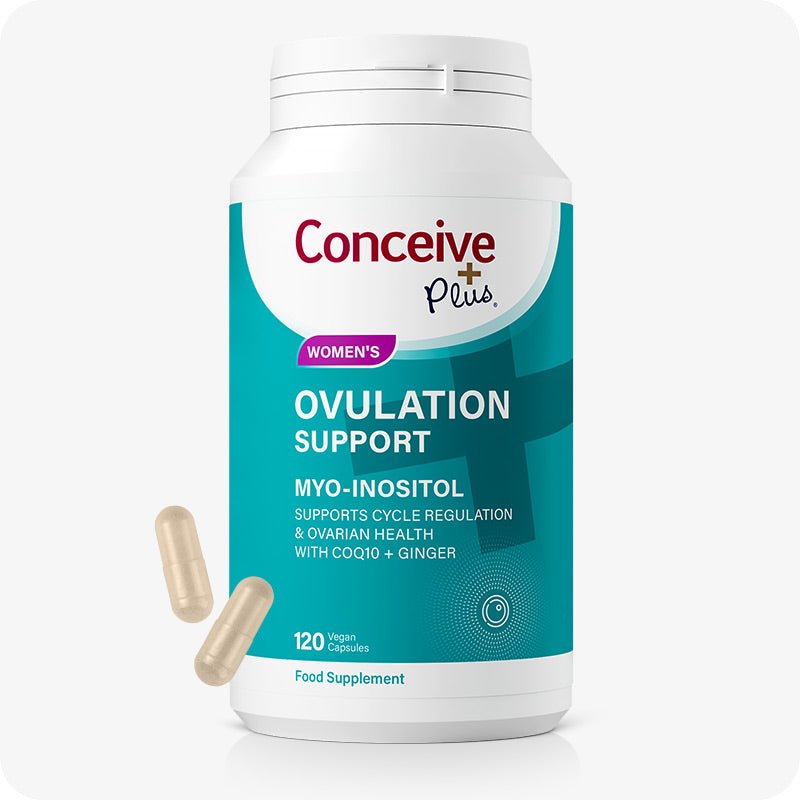
- Inositol: Supports healthy ovulation, particularly in women with PCOS
- CoQ10: An antioxidant that supports egg mitochondrial function and quality
- Vitamin D: Research links adequate vitamin D to ovarian function and implantation
- Iron and B vitamins: Support hormonal balance and energy during the follicular phase
Starting a fertility supplement 3 months before trying to conceive gives your body time to build optimal nutritional reserves — the same timeframe as the egg development cycle.
When to Seek Help
If you have been tracking ovulation accurately and timing intercourse correctly for 12 months (or 6 months if you are over 35), speak to your GP or a fertility specialist. You should seek advice sooner if:
- Your cycles are irregular (shorter than 21 days or longer than 35 days)
- You have no detectable LH surge on OPKs
- You have known conditions such as PCOS, endometriosis, or thyroid disorders
- You have had multiple pregnancy losses
Frequently Asked Questions
Q: How many days before ovulation am I fertile?
A: Sperm can survive in fertile cervical mucus for up to 5 days. You are most fertile in the 5 days leading up to ovulation and on the day of ovulation itself — 6 days total.
Q: Can I ovulate more than once per cycle?
A: Superovulation (releasing two eggs) can occur, but the two eggs are released within a 24-hour window. You cannot ovulate again later in the same cycle. However, fraternal twins result from two eggs released close together.
Q: Does ovulation always happen on day 14?
A: Only for women with exactly 28-day cycles who ovulate on schedule. Most women ovulate on a different day — tracking is the only reliable way to know when you personally ovulate.
Q: What if I never see egg-white cervical mucus?
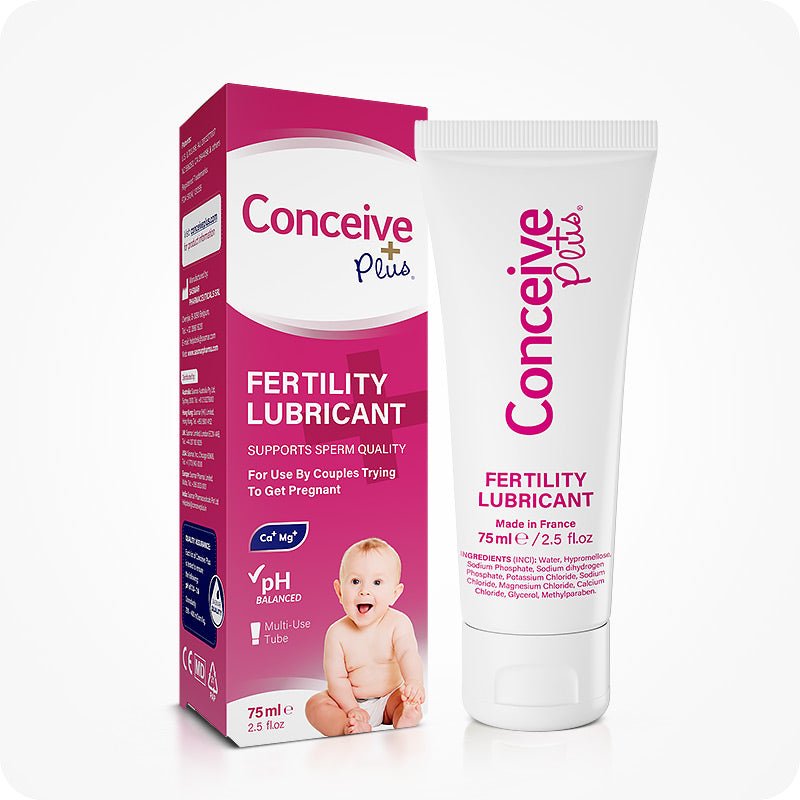
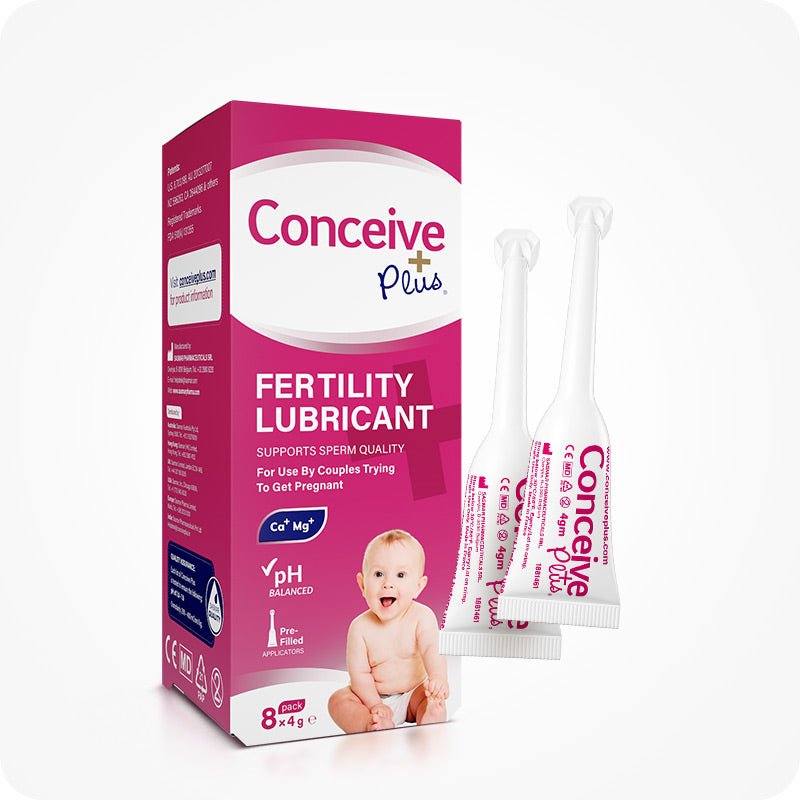
A: Some women produce minimal EWCM. This can be caused by hormonal imbalances, dehydration, anti-oestrogen medications (like Clomid), or cervical surgery. Using a fertility-safe lubricant like Conceive Plus can compensate for reduced natural mucus.
Q: Can stress delay ovulation?
A: Yes. Psychological and physical stress can suppress the hormonal cascade that triggers ovulation, causing a delayed or absent LH surge. This is why ongoing tracking is important — stress can shift your usual ovulation timing.
Q: Is there an app that can predict ovulation accurately?
A: Apps that use your personal tracking data (BBT, OPK results, cycle history) are more accurate than those that use average cycle length alone. Kindara, Clue, Ovia, and Natural Cycles are popular options. None can replace physical tracking signs.
Q: How soon after a positive OPK should I have sex?
A: Have intercourse on the day of the positive OPK and the following day. Ovulation typically occurs 12–36 hours after the LH surge begins.
Q: Can I track ovulation while breastfeeding?
A: Breastfeeding suppresses ovulation through prolactin production, especially in the early months. As breastfeeding frequency decreases, ovulation may return. OPKs can help detect it, but cycles may be irregular. Speak to your doctor if you are trying to conceive while breastfeeding.
Start Tracking — and Give Your Fertility the Best Chance
Ovulation tracking is one of the most empowering steps you can take when trying to conceive. By combining OPKs, cervical mucus monitoring, and BBT charting, you can identify your fertile window with confidence each cycle — giving every attempt the maximum possible chance of success.
Support your cycle with evidence-based fertility nutrition from Conceive Plus, and approach each month with knowledge, not guesswork.
Ready to Start Your Fertility Journey?
Discover the full Conceive Plus range — scientifically formulated fertility support for both women and men.
Explore Conceive Plus Products →