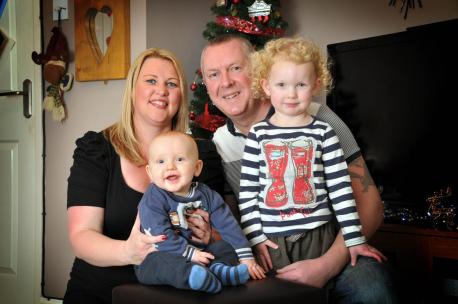
Miracle family set for magical Christmas


✨ Trying to Conceive?
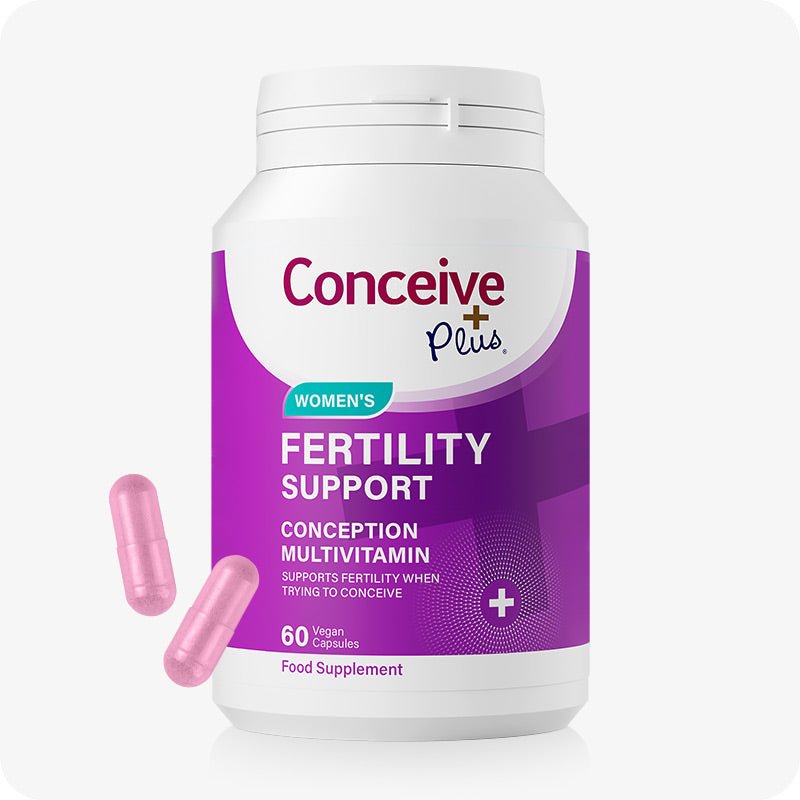
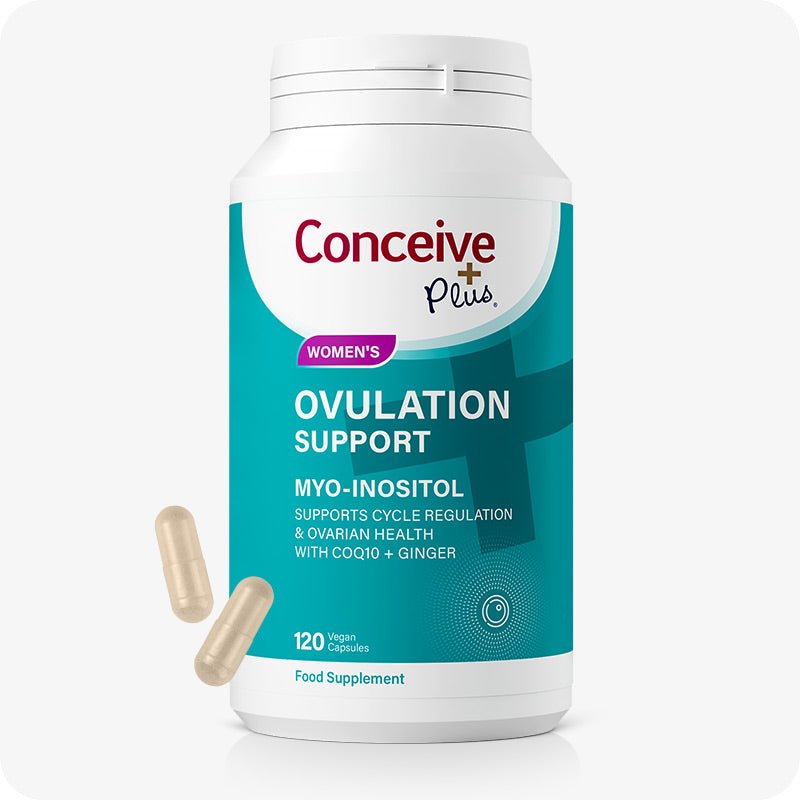
Our fertility supplements combine Myo-Inositol with essential vitamins to support healthy hormone balance and regular ovulation.
Shop Now — $36.00✓ Free shipping available | ✓ Trusted by millions of couples worldwide
🌱 Support Your Fertility Journey
Conceive Plus fertility supplements are clinically formulated to help regulate your cycle and support egg quality.
Shop Fertility Support →Frequently Asked Questions
Recommended by Fertility Experts
Conceive Plus Men's Fertility Support
Designed to support healthy sperm production, motility, and overall male reproductive health with clinically studied nutrients.
Shop Now →Can you still have children after testicular cancer treatment?
Yes, many men can still father children after testicular cancer treatment, though fertility may be affected depending on the type of treatment received. The NHS recommends discussing sperm banking before starting cancer treatment, as chemotherapy and radiotherapy can impact sperm production. If sperm wasn't frozen beforehand, options like IVF with ICSI (intracytoplasmic sperm injection) may still be possible using any remaining viable sperm.
How many IVF cycles are you entitled to on the NHS UK?
According to NICE guidelines, eligible women under 40 should be offered three full cycles of IVF on the NHS, but actual provision varies significantly depending on your local Integrated Care Board (ICB). Some areas only fund one cycle, whilst others may offer up to three, so it's worth checking with your GP about local NHS fertility treatment criteria. Waiting times and eligibility requirements also differ across the country.
How long can embryos be frozen for IVF in the UK?
Under HFEA regulations, embryos can be stored for up to 55 years in the UK, following changes to the law in 2022. Previously, the standard storage period was 10 years with extensions available in certain circumstances. This extended storage time gives couples more flexibility when planning their families, as demonstrated by successful pregnancies from embryos frozen for several years.
What is the success rate of frozen embryo transfer UK?
Frozen embryo transfer (FET) success rates in the UK are now comparable to fresh embryo transfers, with HFEA data showing rates of around 30-35% per transfer for women under 35. Success rates decrease with age, so it's important to discuss your individual circumstances with your fertility clinic. Many couples, like those in this story, have achieved successful pregnancies using frozen embryos years after their initial IVF cycle.
When should we see a GP about fertility problems UK?
The NHS recommends seeing your GP if you've been trying to conceive for 12 months without success, or after 6 months if you're over 36 or have known fertility concerns. Around 1 in 7 UK couples experience fertility issues, so seeking help is very common. Your GP can arrange initial tests and refer you to a fertility specialist if needed, though NHS waiting times for referrals can vary by area.
Can you have IVF privately after failed NHS cycles UK?
Yes, many couples choose to continue with private IVF treatment after their NHS-funded cycles have been unsuccessful. Private fertility clinics like CARE, Bourn Hall, and others across the UK offer treatment without the restrictions of NHS eligibility criteria. Costs typically range from £3,000 to £5,000 per cycle, plus additional fees for medications and any supplementary treatments required.
What happens to unused frozen embryos after successful IVF UK?
After completing your family, you have several options for unused frozen embryos in the UK, including keeping them in storage for possible future use, donating them to another couple, donating them for research, or allowing them to be disposed of respectfully. The HFEA requires clinics to gain your consent for embryo storage and use, and you can change your mind about your decision at any point before the embryos are used or disposed of.
Trusted by Couples in Over 70 Countries
Support Male Fertility From the Inside Out
Male fertility is just as important as female fertility in the conception journey. Conceive Plus Men's range delivers targeted nutritional support to promote healthy sperm and overall reproductive wellbeing.
Shop Men's Range →