Ovulation Tracking Methods: Which One Actually Works Best?


Ovulation Tracking Methods: Which One Actually Works Best?
If you're trying to conceive, ovulation tracking is one of the most powerful tools available to you. Understanding precisely when you ovulate can dramatically increase your chances of conception each cycle — but with so many tracking methods available, it can be overwhelming to know where to start. In this comprehensive guide, we break down every major ovulation tracking method, comparing accuracy, convenience, cost, and real-world effectiveness.
Why Ovulation Tracking Matters: The Science of the Fertile Window
Human reproduction operates on a surprisingly narrow window of opportunity. An egg is viable for only 12–24 hours after ovulation, while sperm can survive in the female reproductive tract for up to 5 days under ideal conditions. This means your fertile window — the time during which unprotected intercourse can result in pregnancy — is typically just 6 days per cycle: the 5 days before ovulation and the day of ovulation itself.
Missing this window means waiting for the next cycle. Over months and years of trying to conceive, this can take a significant emotional and physical toll. Precise ovulation tracking helps you identify and act on your fertile window every single cycle, maximising your chances of conception.
Research from the National Institute of Environmental Health Sciences found that couples who accurately identified and timed intercourse during the fertile window had pregnancy rates of 38% in a single cycle — compared to just 8–10% for couples who timed intercourse randomly. That's a fourfold difference, simply from knowing when to try.
Method #1: Ovulation Predictor Kits (OPKs)
🌿 Try Conceive Plus today — trusted by thousands of couples worldwide. Shop Now →
Ovulation predictor kits detect the surge in luteinising hormone (LH) that occurs 24–48 hours before ovulation. This surge is the body's signal to release an egg, making it one of the most reliable biological markers for identifying your approaching fertile window.
How OPKs Work
Most OPKs use urine test strips similar to pregnancy tests. You test your urine daily (or multiple times daily as ovulation approaches), and a positive result — typically indicated by a test line as dark as or darker than the control line — signals that an LH surge has occurred. You should then time intercourse for the next 24–48 hours for maximum conception chances.
Types of OPKs
- Basic strip tests: The most affordable option, requiring visual interpretation of line darkness
- Digital OPKs: Display a clear positive/negative result, removing the guesswork
- Advanced digital OPKs (e.g., Clearblue Advanced): Track both oestrogen and LH, identifying 4 fertile days instead of 2
- Wearable monitors: Some devices continuously monitor LH through skin sensors
Accuracy and Effectiveness
Standard OPKs are approximately 97–99% accurate at detecting an LH surge when used correctly. However, they can produce false positives in women with PCOS (who may have chronically elevated LH), and women who ovulate very early or late in their cycle may miss their surge if not testing at the right time.
Best for: Women with regular cycles who want a reliable, affordable, and easy-to-use ovulation tracking method.
Method #2: Basal Body Temperature (BBT) Tracking
Basal body temperature tracking involves measuring your resting body temperature each morning before getting out of bed. After ovulation, the hormone progesterone causes a slight but measurable rise in BBT — typically 0.2–0.5°C — that persists until the next period.
How to Track BBT
You'll need a basal body thermometer, which measures to one or two decimal places (standard fever thermometers aren't accurate enough). Take your temperature at the same time each morning before any activity, and record the results on a chart or in a tracking app.
Over several cycles, you'll begin to see a pattern: a biphasic chart showing lower temperatures in the follicular phase (pre-ovulation) and higher temperatures in the luteal phase (post-ovulation). Ovulation typically occurs on the last day of the lower temperature phase.
Limitations of BBT Tracking
The key limitation of BBT tracking is that it's retrospective — it confirms that ovulation has already occurred, rather than predicting when it will occur. This means you're optimising for future cycles based on past patterns, not acting in real-time.
BBT can also be disrupted by illness, alcohol, poor sleep, travel across time zones, and other factors, reducing its reliability.
Best for: Women who want to understand their overall cycle pattern and confirm ovulation is occurring, used in combination with OPKs for prospective timing.
Method #3: Cervical Mucus Monitoring
Cervical mucus changes throughout the menstrual cycle in response to oestrogen and progesterone. Around ovulation, it becomes clear, stretchy, and resembles raw egg white — this is known as "egg white cervical mucus" (EWCM) and is the most fertile type.
How to Monitor Cervical Mucus
Check your cervical mucus daily by examining toilet paper after wiping, or by inserting clean fingers into the vagina. Record the texture, colour, and quantity. The progression typically goes: dry → sticky → creamy → watery → egg white (peak fertility) → dry again.
Accuracy and Limitations
Cervical mucus monitoring, when practised consistently as part of a formal fertility awareness method (FAM), can be highly effective — studies show 99%+ effectiveness as a contraceptive when used perfectly. However, it requires significant practice and consistency, and can be affected by vaginal infections, some medications, and hydration levels.
Best for: Women who want to develop a deep understanding of their fertility signals and are willing to invest time in learning the method. Works best in combination with BBT and OPK tracking.
Method #4: Fertility Monitors
Dedicated fertility monitors like the Clearblue Fertility Monitor and OvuSense track multiple hormonal markers to provide a more comprehensive picture of your cycle than standard OPKs.
Advanced Fertility Monitor Features
- Track both oestrogen and LH (Clearblue Advanced), identifying up to 6 fertile days per cycle
- Learn your unique cycle patterns over multiple months
- Provide a clear visual display of high and peak fertility days
- Some devices (OvuSense) use a vaginal sensor to track progesterone via temperature, confirming ovulation in real-time
Best for: Women who want maximum information about their cycle, particularly those with irregular cycles or who have been trying to conceive for several months without success.
Method #5: Wearable Fertility Trackers
A newer category of ovulation tracking technology, wearable devices like Ava, Tempdrop, and Apple Watch (with Cycle Tracking app) continuously monitor multiple physiological parameters to predict and confirm ovulation.
These devices typically measure skin temperature, heart rate variability, and other biometrics throughout the day and night, using AI algorithms to identify your unique fertility patterns. Many sync with smartphone apps for easy data visualisation and cycle predictions.
Best for: Tech-savvy TTC women who want continuous monitoring without the daily ritual of OPKs or manual temperature tracking.
Method #6: Cycle Tracking Apps
Apps like Clue, Flo, and Natural Cycles use your period data, symptoms, and (in some cases) BBT data to predict your fertile window. Natural Cycles is the only app that is FDA-cleared as a contraceptive, having met rigorous accuracy standards.
Cycle tracking apps are most accurate for women with regular cycles and become more precise over time as the algorithm learns your individual pattern. They're best used in conjunction with OPKs for real-time confirmation.
Combining Methods: The Gold Standard Approach
Research consistently shows that combining multiple ovulation tracking methods provides the most accurate fertile window identification. The recommended combination for most TTC couples is:
- Cycle tracking app — to predict approximately when ovulation should occur
- OPKs — to confirm the LH surge is actually happening
- Cervical mucus monitoring — to provide additional real-time confirmation
- BBT tracking — to confirm ovulation occurred and verify cycle patterns
This combination approach provides both advance warning (OPKs typically give 24–48 hours notice) and real-time confirmation (cervical mucus) while building long-term pattern knowledge (BBT and apps).
Frequently Asked Questions About Ovulation Tracking
Q: How accurate is ovulation tracking for getting pregnant?
A: When done correctly, ovulation tracking can significantly increase per-cycle conception rates. Research shows accurately timed intercourse during the fertile window results in pregnancy rates of 25–38% per cycle, compared to 8–10% for untimed intercourse.
Q: When should I start ovulation tracking?
A: Start about 3–4 days before you expect your fertile window, based on your average cycle length. For a 28-day cycle, this means beginning testing around day 10–11. For shorter or longer cycles, adjust accordingly.
Q: Can ovulation tracking work if I have irregular cycles?
A: Yes, but it requires more diligence. OPKs are particularly useful for women with irregular cycles, as they detect the actual LH surge rather than relying on calendar predictions. Testing for a longer window and using multiple methods helps.
Q: Can I get a positive OPK result but not ovulate?
A: Yes — in some cases, particularly in women with PCOS, the LH surge may not be followed by ovulation. This is called an anovulatory cycle. BBT tracking can help confirm whether ovulation actually occurred by showing the characteristic temperature rise.
Q: How many times a day should I test with OPKs?
A: During the days leading up to your expected ovulation, testing twice daily (morning and afternoon/evening) increases the chance of catching your LH surge, which can sometimes be brief.
Q: Does ovulation tracking affect my chances of having a boy or girl?
A: Some research suggests that timing of intercourse relative to ovulation may influence sex of offspring (Y-chromosome sperm theoretically move faster but survive less long), but evidence is inconclusive. Most fertility experts consider this an unreliable method of sex selection.
Q: What if I never get a positive OPK?
A: If you've been testing correctly and not getting a positive, you may be missing your surge (test at different times), have PCOS (consult a doctor), or have a condition causing anovulation. After 2–3 cycles without a positive, consult your GP or gynaecologist.
Q: Can stress affect ovulation tracking results?
A: Stress doesn't affect OPK results directly (it measures LH), but it can affect the timing of ovulation itself, making cycle predictions less reliable. High stress may also delay or suppress ovulation in some women.
Q: What should I take alongside ovulation tracking to support fertility?
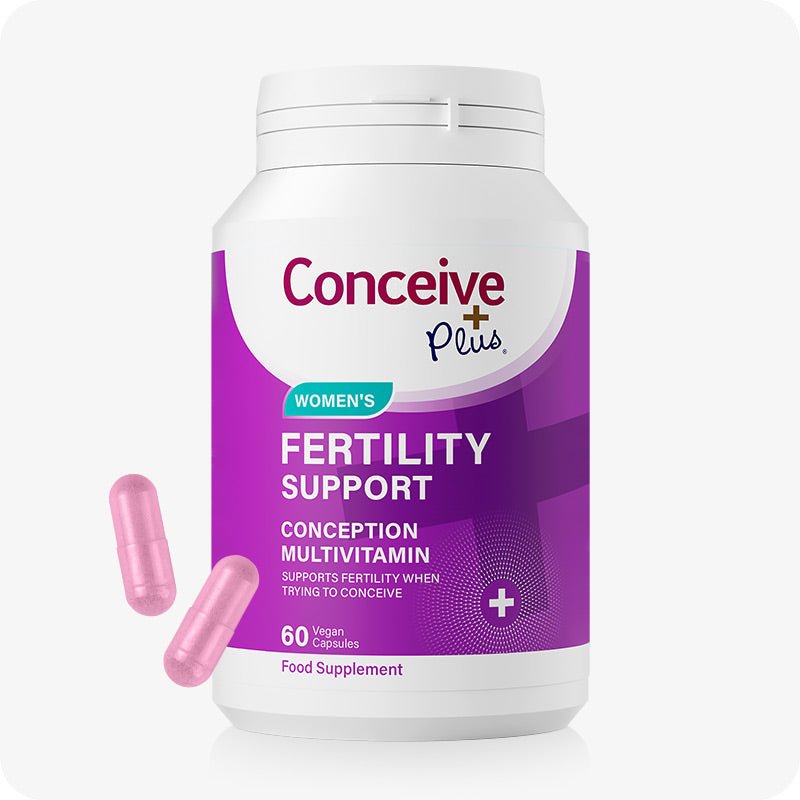
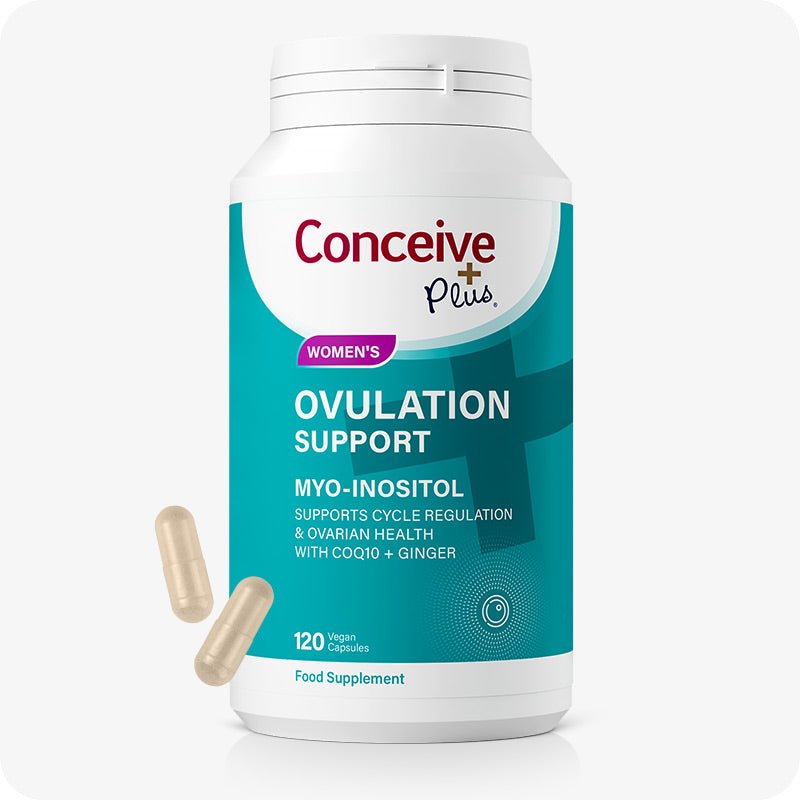
A: Conceive Plus offers a range of products designed to work alongside your ovulation tracking, including ovulation support supplements containing key nutrients like folate, vitamin D, and antioxidants that support healthy ovulation and egg quality.
Q: How long should I track before seeing a doctor?
A: If you're under 35 and have been trying to conceive for 12 months without success, or if you're over 35 and have been trying for 6 months, consult a fertility specialist. If you suspect you're not ovulating at all, seek advice sooner.
How Conceive Plus Supports Your Ovulation Tracking Journey
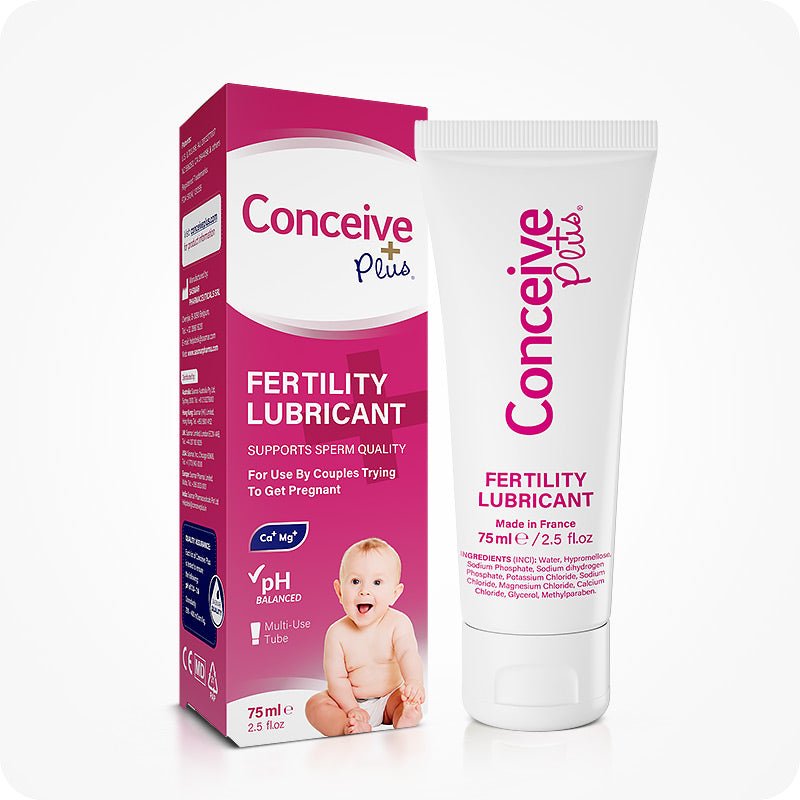
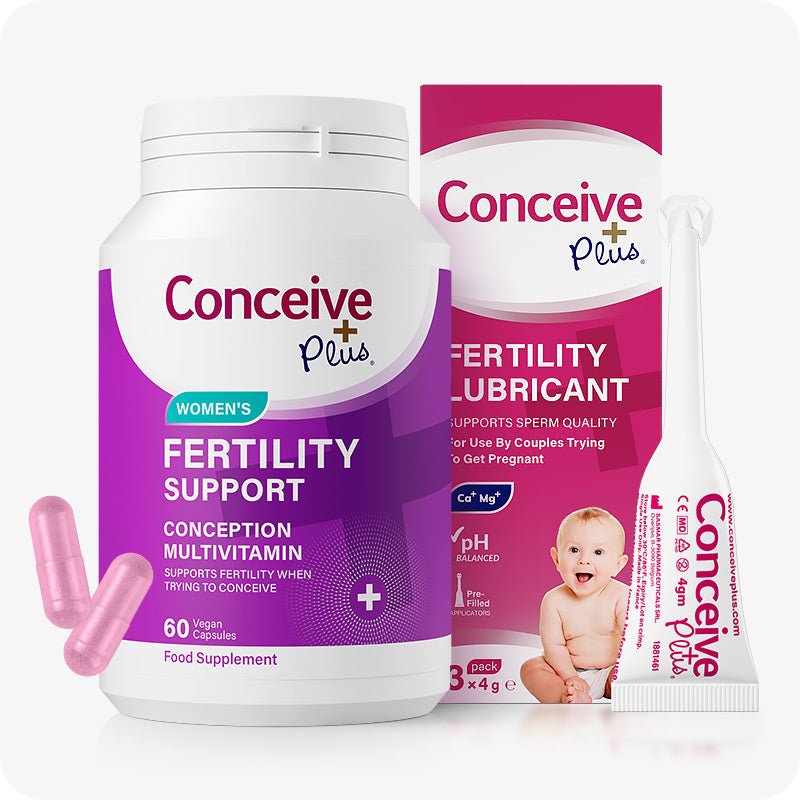
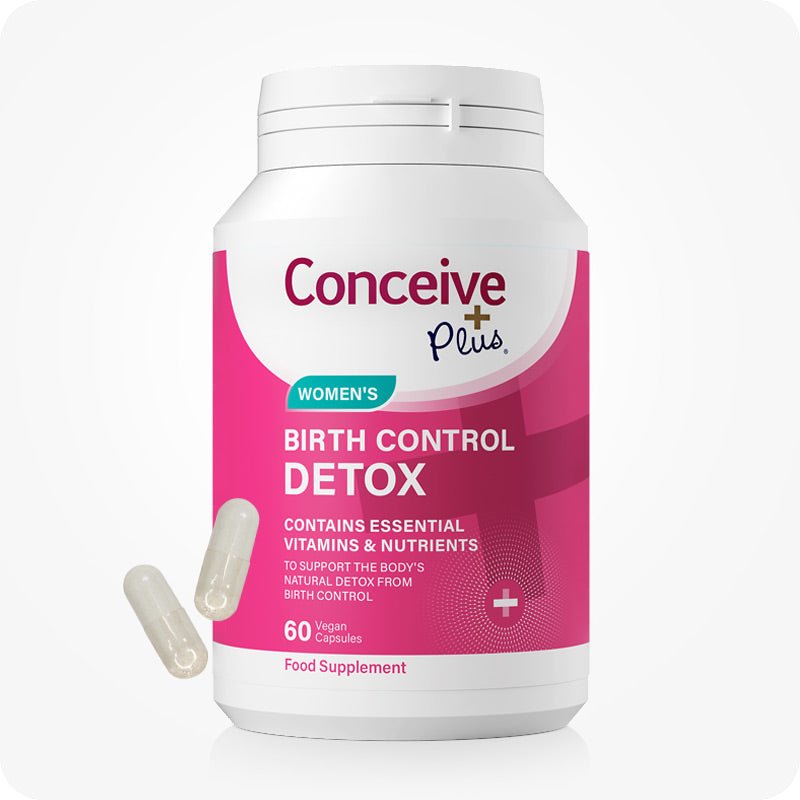
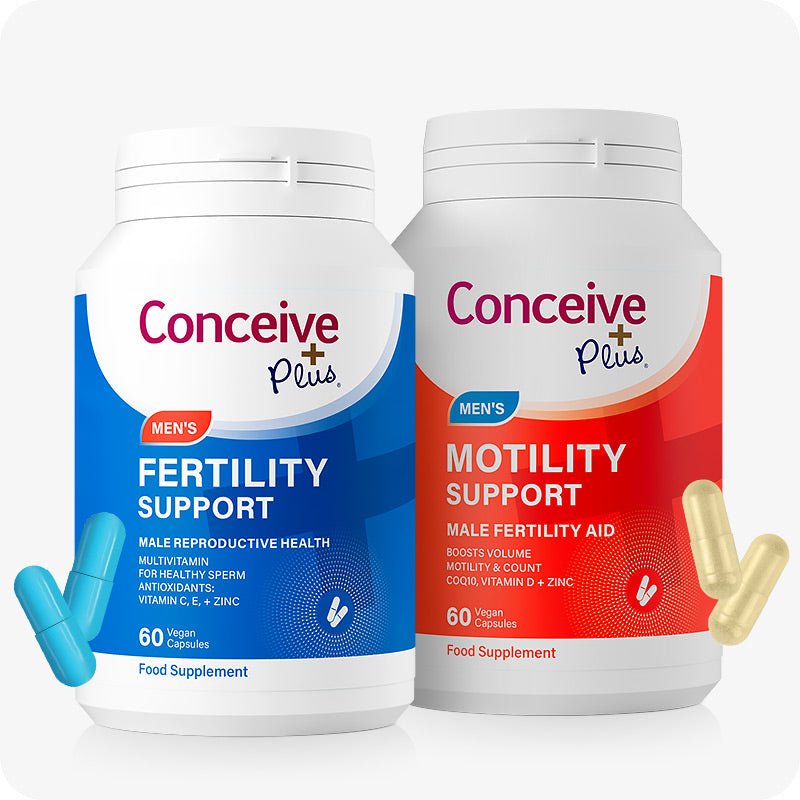
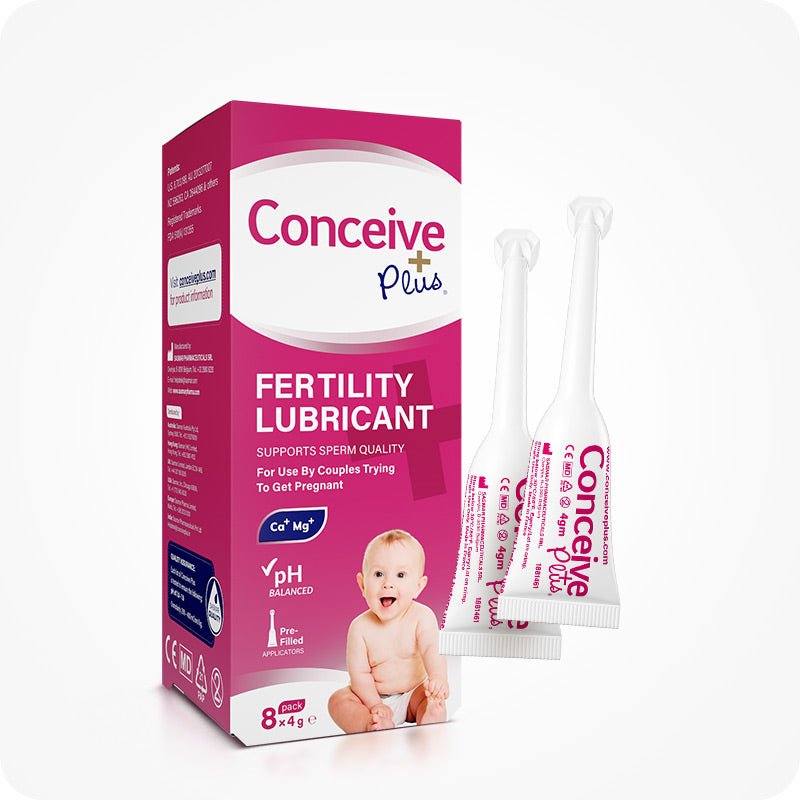
Tracking ovulation is just one piece of the fertility puzzle. Conceive Plus provides a comprehensive range of products designed to support fertility at every stage — from ovulation support supplements that help maintain healthy hormonal balance, to sperm-friendly lubricants that create the ideal environment for conception during your fertile window.
Our Ovulation Support range is formulated with vitamins and minerals clinically shown to support healthy ovulation, including Folate, Vitamin D, Vitamin B6, and antioxidants that protect egg quality. Combined with accurate ovulation tracking, these products can help you approach every fertile window with confidence.
Conclusion: Start Tracking Smarter Today
Effective ovulation tracking is one of the most impactful steps you can take in your fertility journey. Whether you choose OPKs, BBT tracking, cervical mucus monitoring, or a combination approach, the key is consistency and attention to your body's signals.
Pair your tracking with the right fertility support products, and you'll be giving yourself the best possible chance of conception each cycle. The journey to parenthood can feel long, but with the right tools and knowledge, you're never without a plan.
Medical Disclaimer: This article is for informational purposes only and does not constitute medical advice. Always consult with a qualified healthcare provider or fertility specialist before making changes to your conception plan. Individual results may vary.
Ready to start your fertility journey? Explore Conceive Plus Products →