Ovulation Tracking Methods: How to Know When You're Most Fertile


Ovulation Tracking Methods: How to Know When You're Most Fertile
Understanding exactly when you ovulate is one of the most powerful things you can do when you're trying to conceive. Yet many women spend months — sometimes years — trying to get pregnant without ever accurately identifying their fertile window. With the right ovulation tracking methods, you can pinpoint the days when conception is most likely and give yourself the best possible chance of success each cycle.
This comprehensive guide covers every major ovulation tracking method available, from the simple and free to the advanced and high-tech, along with how fertility supplements and a fertility-friendly lubricant from Conceive Plus can maximise your fertile window support.
Why Ovulation Tracking Matters
Ovulation occurs just once per cycle — and the egg is only viable for 12–24 hours after release. However, because sperm can survive in the reproductive tract for up to 5 days in favourable conditions (particularly in the presence of fertile cervical mucus), the total fertile window spans approximately 6 days: the five days before ovulation and the day of ovulation itself.
Research published in the New England Journal of Medicine found that 92% of pregnancies resulted from intercourse occurring in the six days ending on ovulation day. This means that timing matters enormously — and missing your fertile window even by a day or two can mean waiting another full month to try again.
Many women incorrectly assume they ovulate on day 14 of a 28-day cycle. In reality, ovulation timing varies significantly between women and even between cycles in the same woman. A study of over 600 women found that fewer than 30% ovulated on day 14, with ovulation occurring anywhere from day 6 to day 21 across the sample. Accurate tracking — not assumptions — is essential.
Method 1: Basal Body Temperature (BBT) Charting
Basal Body Temperature (BBT) charting is the original, evidence-based fertility awareness method. It involves taking your resting temperature every morning — before getting out of bed, speaking, or eating — at the same time each day, using a BBT thermometer that measures to two decimal places.
After ovulation, the corpus luteum (the structure left behind after the egg is released) produces progesterone, which causes a slight but sustained rise in body temperature of approximately 0.2–0.5°C. This thermal shift, sustained for 10+ days, confirms that ovulation has occurred.
How to chart BBT effectively:
- Take your temperature at the same time each morning (within 30 minutes)
- Record on a paper chart or fertility app
- Look for a clear biphasic pattern — lower temps before ovulation, higher temps after
- After 1–2 cycles of charting, you'll begin to recognise your individual pattern
Limitations of BBT: BBT confirms that ovulation has occurred but does not predict it in advance. It is a retrospective method. Illness, alcohol, poor sleep, and shift work can all disrupt readings. For conception timing, BBT works best in combination with other methods.
Method 2: Ovulation Predictor Kits (OPKs)
Ovulation Predictor Kits (OPKs) detect the surge in Luteinising Hormone (LH) that triggers ovulation. LH surges approximately 24–48 hours before ovulation, giving you a predictive window — unlike BBT, which is retrospective.
OPKs are available in several formats:
Basic LH strip tests — Simple, inexpensive dip strips or midstream tests. You compare a test line to a reference line; a line as dark or darker than the reference indicates a positive LH surge. These are highly cost-effective and can be used multiple times per day around the expected surge window.
Digital OPKs — Convert the LH surge to a clear positive/negative digital reading, removing the subjective line-reading involved with strips. Brands like Clearblue Digital are popular in the UK.
Advanced cycle monitors — The Clearblue Advanced Digital Ovulation Test measures both LH and oestrogen (estradiol), providing a peak reading (LH surge) and high readings (the 1–5 days before the surge when oestrogen is rising). This extends the identifiable fertile window from 2 days to up to 5 days.
Using OPKs effectively:
- Start testing several days before your expected ovulation (if your cycle is 28 days, start on day 10)
- Test at the same time each day — mid-morning (10am–2pm) captures most LH surges
- Avoid excessive fluid intake in the 2 hours before testing to prevent dilution
- When you get a positive, have intercourse that day and the next two days
Method 3: Cervical Mucus Monitoring
Cervical mucus (CM) monitoring is a powerful, free method that tracks the changes in your vaginal discharge throughout your cycle. These changes are driven by oestrogen and provide clear signals about where you are in your cycle.
The pattern across a typical cycle:
- Post-period (dry phase): Little to no discharge, vaginal sensation is dry
- Early follicular phase: Sticky, thick, creamy white or yellow discharge — not sperm-friendly
- Approaching ovulation: Discharge becomes more abundant, translucent, and watery
- Peak fertile days: Clear, stretchy, slippery mucus resembling raw egg whites (EWCM — egg white cervical mucus). This is your most fertile mucus, acting as a "motorway" for sperm to travel through the cervix.
- Post-ovulation: Mucus returns to thick, sticky, or absent
EWCM is the hallmark of peak fertility. It can be observed by checking internally with clean fingers or noting what appears on toilet paper. Intercourse on days when EWCM is present — particularly on the most abundant, most stretchy day — maximises pregnancy probability.
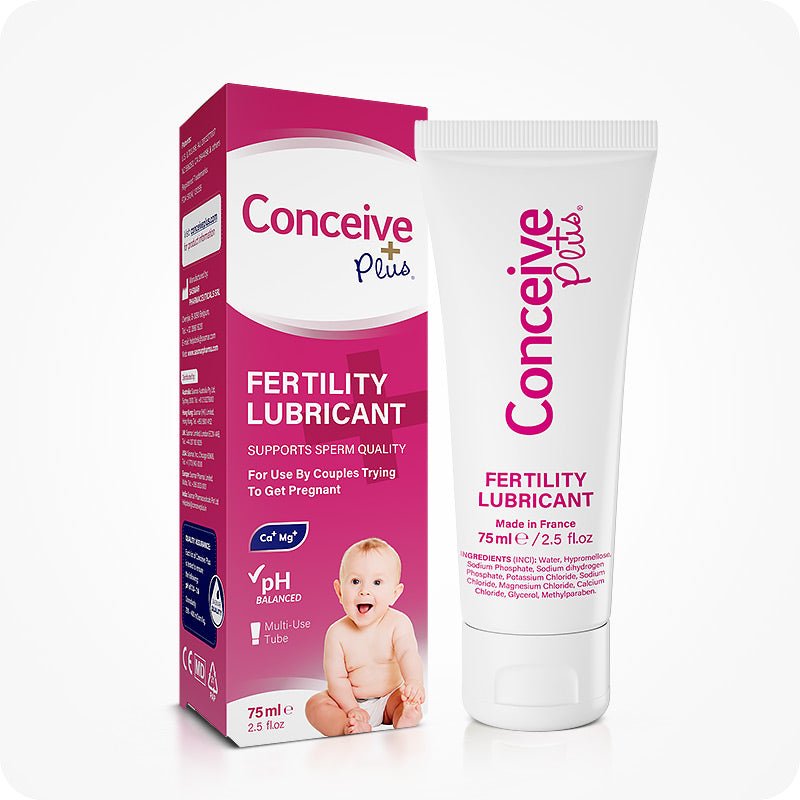
Some women, particularly those with certain hormonal imbalances or lower oestrogen levels, produce little EWCM. For these women, a fertility-friendly lubricant like Conceive Plus can replicate the sperm-supportive environment of fertile mucus — providing the pH balance and ionic composition that allows sperm to survive and swim.
Method 4: Fertility Apps and Cycle Tracking Technology
Fertility tracking apps range from simple period calendars to sophisticated predictive tools that integrate BBT, OPK results, and symptom logging. Some of the most popular apps in the UK include:
- Natural Cycles — FDA-cleared and CE-marked app that uses your BBT data to identify fertile and non-fertile days. Has been extensively studied and is FDA-approved as a contraceptive, which speaks to its tracking accuracy. Many TTC users find it highly effective for identifying ovulation.
- Ovia Fertility — Comprehensive app that allows logging of BBT, OPK results, cervical mucus, and symptoms, then uses this data to predict fertile days.
- Clue — Popular European app with strong cycle prediction algorithms. Best used alongside physical signs (BBT/CM) for TTC purposes.
- Kindara — Pairs with the Wink Bluetooth BBT thermometer for automated data logging.
Apps are most powerful when used in combination with objective measurements (BBT or OPKs) rather than alone. Calendar-only predictions are based on average cycle lengths and may not reflect your actual ovulation pattern.
Method 5: Advanced Wearable and Monitor Technology
Technology for ovulation tracking has advanced significantly. Wearables and dedicated monitors offer new levels of data without the daily ritual of OPK testing or the precision requirement of BBT thermometry.
Inito Fertility Monitor — Tests urine for LH, oestrogen, FSH, and progesterone using a smartphone-connected device, providing a comprehensive hormonal profile across your cycle.
Mira Fertility Monitor — A quantitative OPK system that measures your actual hormone concentrations (not just positive/negative), allowing you to see the full shape of your LH and oestrogen curves. Particularly useful for women with irregular cycles or suspected hormonal issues.
Ava Bracelet — A wearable worn during sleep that uses physiological signals (skin temperature, resting heart rate, breathing rate, HRV) to predict fertile days. Clinical trials showed 89% accuracy in detecting the fertile window.
These advanced tools come at higher cost but offer valuable insights for women who have been struggling to conceive or want the most detailed picture of their cycle.
The Role of Fertility Supplements in Supporting Ovulation
Accurate tracking tells you when you're most fertile, but the quality of that fertile window depends on your hormonal and nutritional health. Several nutrients directly support healthy ovulation:
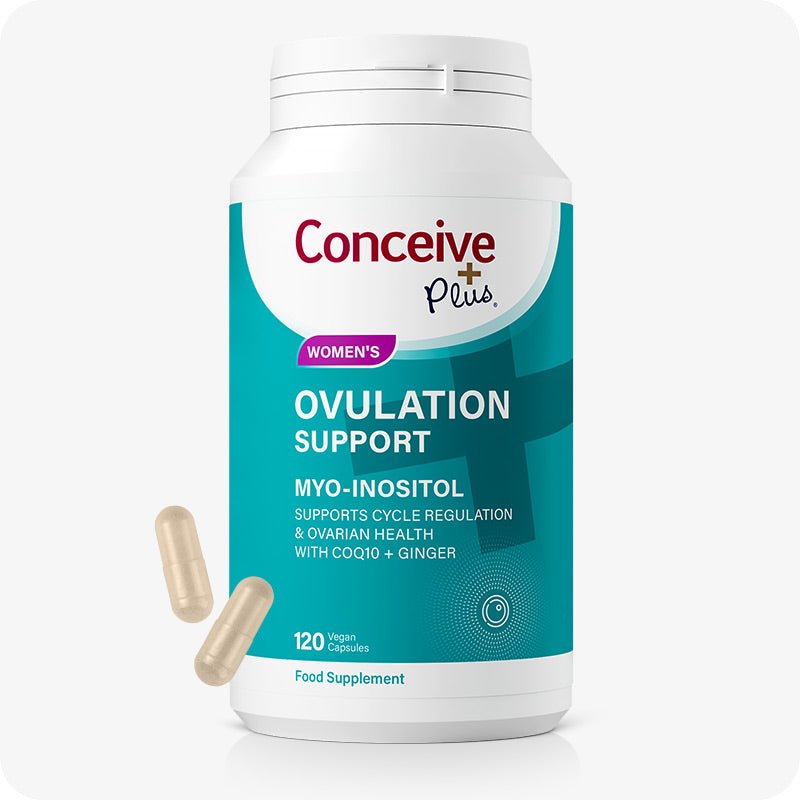
- Myo-Inositol: Shown to improve ovulation frequency and regularity, particularly in women with PCOS or hormonal irregularities. Also associated with improved egg quality.
- Vitamin D3: Deficiency is common in the UK and is associated with ovulatory dysfunction. Supplementation at 2,000 IU daily is generally recommended for women TTC.
- Folate (methylfolate): Essential from before conception for neural tube development. The methylated form is recommended to bypass MTHFR gene variants.
- CoQ10: Supports egg mitochondrial function and energy production during ovulation.
- Zinc: Essential for proper ovulation and corpus luteum function (progesterone production after ovulation).
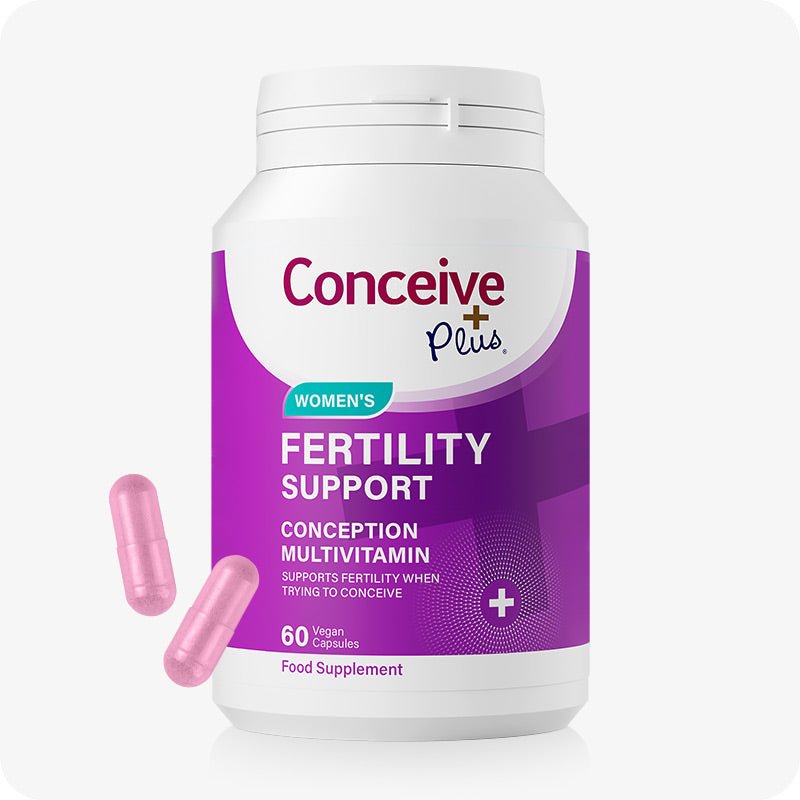
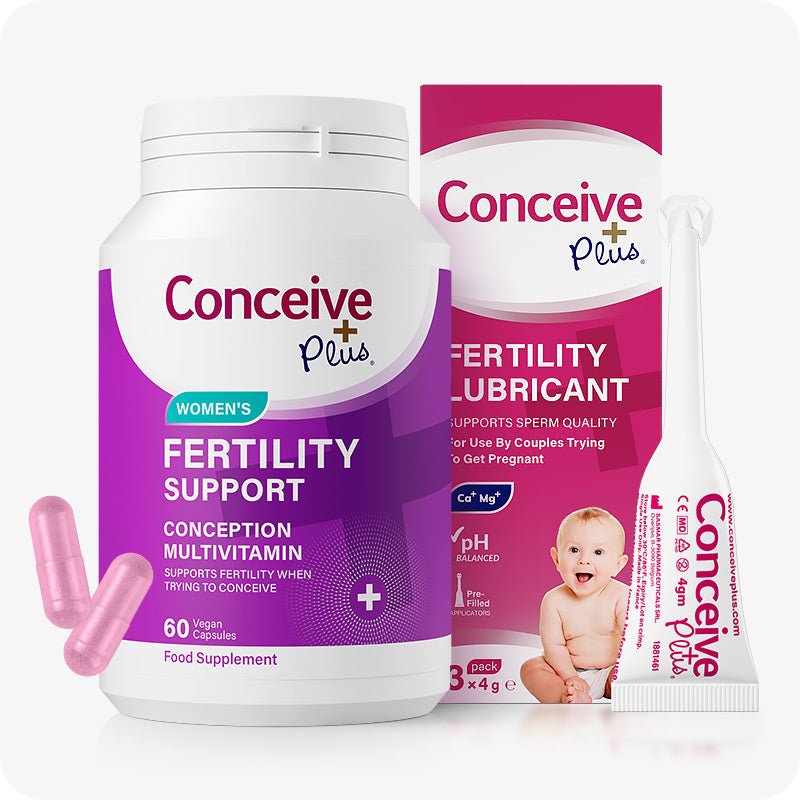
Conceive Plus Women's Fertility Support contains a comprehensive blend of these fertility-essential nutrients, providing convenient, complete support for women working to optimise their cycle health and fertile window quality.
Using a Fertility Lubricant During Your Fertile Window
Most women don't realise that standard lubricants — including most "natural" or water-based options — can be highly damaging to sperm. Studies published in Fertility and Sterility found that common lubricants reduced sperm motility by up to 87% within just 30 minutes of exposure.
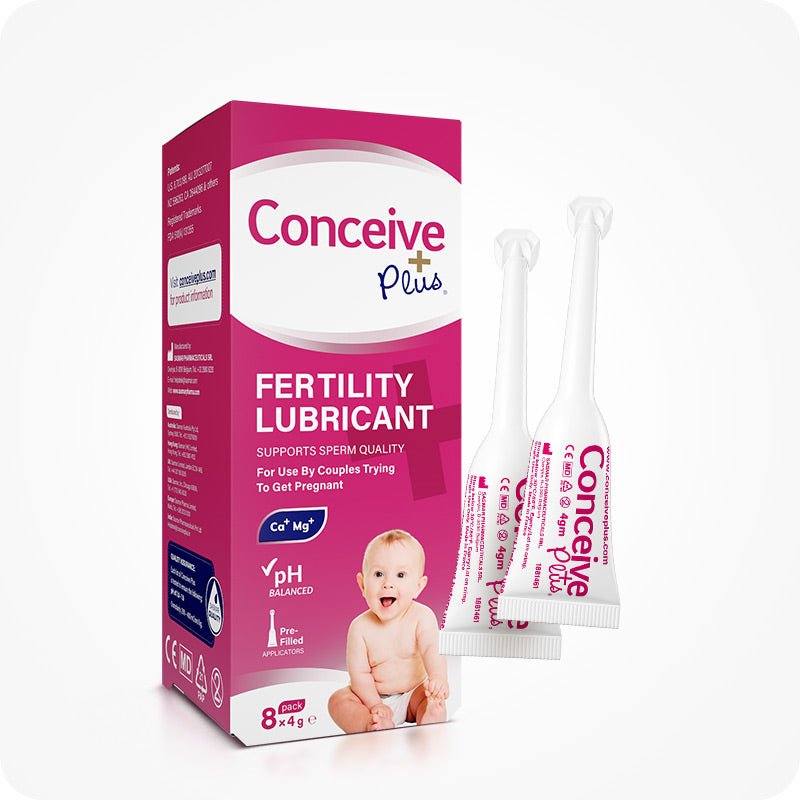
During your fertile window, if you need additional lubrication (particularly if EWCM is limited), using a fertility-safe lubricant is essential. Conceive Plus lubricant is specifically formulated to:
- Match the pH of fertile cervical mucus (pH 7.0–8.5)
- Be isotonic, replicating the osmolality of fertile fluids
- Contain calcium and magnesium ions that support sperm capacitation and motility
- Be completely free of spermicidal agents, parabens, and glycerine
Available in both tube format and single-use pre-filled applicators, Conceive Plus lubricant is a simple addition to your fertile window routine that ensures the environment is as supportive as possible for conception.
Combining Tracking Methods: The Sympto-Thermal Method
The most reliable approach to ovulation tracking combines multiple methods — a practice known as the Sympto-Thermal Method (STM). By combining BBT charting with cervical mucus observation (and optionally OPKs), you create a much more accurate picture of your cycle than any single method provides.
STM guidelines:
- Observe CM daily and note the most fertile-quality mucus seen
- Record BBT each morning
- Use OPKs to confirm the LH surge
- Your most fertile days are: days of EWCM AND/OR positive OPK, confirmed by thermal shift on BBT
Many couples find that after 2–3 cycles of tracking, they have a clear picture of their individual fertility pattern and can time intercourse optimally with confidence.
Frequently Asked Questions About Ovulation Tracking
How many days before ovulation is the fertile window?
The fertile window spans approximately 6 days: the five days before ovulation and the day of ovulation itself. This is because sperm can survive for up to 5 days in fertile cervical mucus. Intercourse on any of these days can result in pregnancy, with peak probability on the 1–2 days before ovulation.
Can I rely on a period app alone to predict ovulation?
Calendar-based app predictions are useful as a starting point but are not reliable on their own, especially if your cycles vary. Apps that incorporate BBT data or OPK results are significantly more accurate. Studies show that calendar-only predictions identify the fertile window correctly only about 30% of the time.
What if I never see egg white cervical mucus?
Some women produce very little EWCM due to lower oestrogen levels, certain medications (including antihistamines), or hormonal imbalances. Try to stay well hydrated, and consider using Conceive Plus fertility lubricant during your predicted fertile window as a supplement to natural mucus.
Can I test for ovulation if I have irregular cycles?
Yes — OPKs work regardless of cycle length, but you may need to test for more days if your cycle is irregular. Wearables like Ava or the Mira Monitor may be especially helpful for women with unpredictable cycles, as they measure multiple physiological signals and hormone levels rather than relying on calendar prediction.
My BBT never shows a clear thermal shift. What does this mean?
A monophasic chart (no clear temperature rise) can indicate anovulation (no ovulation that cycle). This is worth discussing with your GP, particularly if it occurs consistently across multiple cycles. Occasional anovulatory cycles are normal, but frequent anovulation warrants investigation.
When should I take an OPK each day?
LH surges in the morning for most women, but the hormone takes several hours to appear in urine. Testing in mid-morning to early afternoon (10am–2pm) typically catches the surge when it's most detectable. Avoid excessive fluid intake for 2 hours before testing.
Do fertility supplements improve ovulation?
Yes — specific nutrients play direct roles in ovulation quality and frequency. Myo-inositol supports healthy follicle development and has been shown to improve ovulation in women with PCOS and other ovulatory disorders. Vitamin D, zinc, and CoQ10 also support ovarian function. Conceive Plus Women's Fertility Support provides a targeted blend of these ovulation-supportive nutrients.
Is it safe to use lubricant when trying to conceive?
Most standard lubricants are not safe for TTC use as they are harmful to sperm. However, fertility-friendly lubricants that are isotonic and pH-balanced — like Conceive Plus — are safe and supportive for sperm function. Always check that any lubricant you use is specifically labelled as fertility-friendly.
How long should I try ovulation tracking before seeing a doctor?
If you're under 35 and have been accurately tracking and timing intercourse for 12 months without success, see your GP. If you're 35–40, seek advice after 6 months; if over 40, after 3 months. If you have irregular cycles, known conditions like PCOS, or a history of reproductive health issues, seek advice earlier.
Can I track ovulation while breastfeeding?
Ovulation can return while breastfeeding, although it's often suppressed — particularly if breastfeeding is frequent and exclusive. BBT charting is less reliable during this time due to disrupted sleep patterns. Cervical mucus monitoring and OPKs are better options for identifying the return of ovulation after breastfeeding.