Ovulation Tracking: The Complete Guide to Knowing Your Fertile Window


Ovulation Tracking: The Complete Guide to Knowing Your Fertile Window
Ovulation tracking is one of the most powerful tools available to anyone trying to conceive. Yet despite its importance, many people either skip it entirely or rely on inaccurate methods that leave them guessing. Understanding exactly when ovulation occurs — and identifying your personal fertile window — can dramatically improve your chances of conception each cycle, whether you are just beginning your TTC journey or have been trying for some time.
In this comprehensive guide, we cover everything you need to know about ovulation tracking: the biology behind ovulation, every method available (from free to clinical), how to interpret signs and test results, and how to maximise your chances once you have identified your fertile window. We also address some of the most common misconceptions that cause couples to miss their most fertile days entirely.
Understanding Ovulation: The Biology You Need to Know
Ovulation is the release of a mature egg (oocyte) from the dominant follicle in one of the ovaries. It is the central event of the menstrual cycle and the only time during the month when conception is possible. While many people are taught to expect ovulation on Day 14 of a 28-day cycle, this is a statistical average that applies to fewer women than you might expect.
In reality, research published in the British Medical Journal analysed over 30,000 menstrual cycles and found that fewer than 30% of women have their fertile window fall entirely between days 10 and 17. A significant proportion of women — including those with regular cycles — ovulate earlier or later than the textbook prediction suggests.
The process of ovulation is governed by a hormonal cascade:
- Follicular phase (Days 1–13 in an average cycle): Rising oestrogen stimulates follicle growth. The dominant follicle produces increasing amounts of oestrogen as it matures.
- LH surge: A rapid spike in luteinising hormone (LH) triggers the final maturation and release of the egg. This surge typically peaks 24–36 hours before ovulation.
- Ovulation: The follicle ruptures and releases the egg, which enters the fallopian tube. The egg is viable for fertilisation for approximately 12–24 hours.
- Luteal phase (Days 14–28 in an average cycle): The corpus luteum (former follicle) produces progesterone to prepare the uterine lining for implantation. If fertilisation does not occur, progesterone falls, triggering menstruation.
Sperm, by contrast, can survive in the female reproductive tract for up to 5 days in the presence of fertile-quality cervical mucus. This means that your fertile window extends to the 5 days before ovulation, not just the day itself. Tracking ovulation helps you identify this window — and having intercourse throughout it maximises your chances of sperm being present when the egg is released.
Ovulation Tracking Method 1: Basal Body Temperature (BBT) Charting
Basal body temperature charting involves measuring your resting body temperature each morning before getting out of bed. After ovulation, progesterone causes a sustained temperature rise of approximately 0.2–0.5°C that persists until menstruation (or throughout early pregnancy).
How to do it:
- Use a basal body thermometer (accurate to 0.1°C or 0.01°F)
- Measure at the same time every morning before any activity
- Record temperatures on a chart or app
- Look for a sustained rise following your lowest temperatures of the cycle
Limitations: BBT confirms that ovulation has already occurred — it does not predict it. This means it is most useful for identifying patterns across several cycles rather than guiding intercourse timing in the current cycle. It can also be disrupted by illness, alcohol, disturbed sleep, and travel.
Despite these limitations, BBT charting is valuable for understanding your personal cycle patterns, identifying whether you are ovulating at all, and confirming that your luteal phase is adequate (less than 10 days may indicate a luteal phase defect worth investigating).
Ovulation Tracking Method 2: Ovulation Predictor Kits (OPKs)
Ovulation predictor kits detect the LH surge in urine that precedes ovulation by 24–36 hours. They are the most widely used at-home ovulation tracking method and are available in standard strip format or digital versions that display a clear peak reading.
Standard OPKs: Show a test line versus a control line. A positive result is when the test line is as dark as or darker than the control line.
Digital OPKs: Eliminate the ambiguity of line-reading by displaying a smiley face or numerical LH level. Some advanced monitors (such as Clearblue Advanced) also detect the oestrogen rise in the days before the LH surge, extending your advance warning from 1–2 days to 4–6 days.
How to use OPKs effectively:
- Begin testing from Day 10 of your cycle (earlier if you have shorter cycles)
- Test at the same time each day — afternoon (2–4pm) is generally considered optimal as LH levels tend to peak in the morning and take time to appear in urine
- Reduce fluid intake for 2 hours before testing
- Once you detect a surge, have intercourse on that day and the following 1–2 days
Important note for PCOS: Women with polycystic ovary syndrome may have chronically elevated LH levels, causing false positive OPK readings throughout the cycle. Hormone testing or ultrasound monitoring may be needed to reliably detect ovulation if you have PCOS.
Ovulation Tracking Method 3: Cervical Mucus Monitoring
Cervical mucus changes in characteristic ways throughout the menstrual cycle, providing real-time information about where you are in relation to ovulation. Learning to read these changes is one of the most underrated and cost-free fertility awareness methods available.
Mucus changes through the cycle:
- Post-menstrual (Days 1–5): Dry or minimal mucus
- Pre-ovulatory (Days 6–9): Sticky, white, or cloudy mucus — not ideal for sperm
- Approaching ovulation: Increasingly watery and stretchy mucus
- Peak fertility: Clear, slippery mucus that stretches 5cm or more between fingers — the "egg-white" consistency that indicates maximum fertility
- Post-ovulation: Returns to sticky, cloudy, or dry
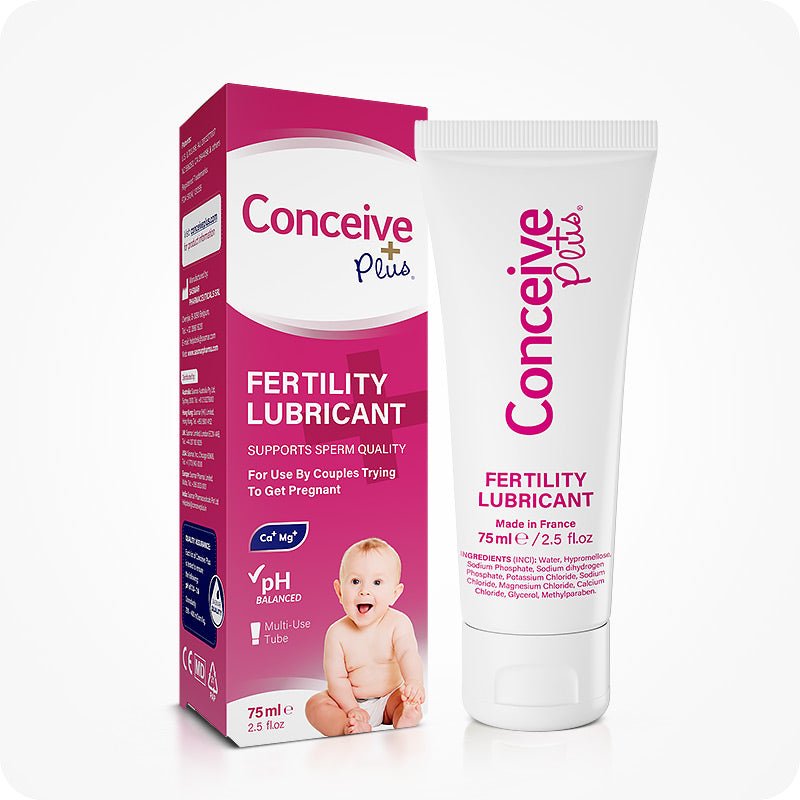
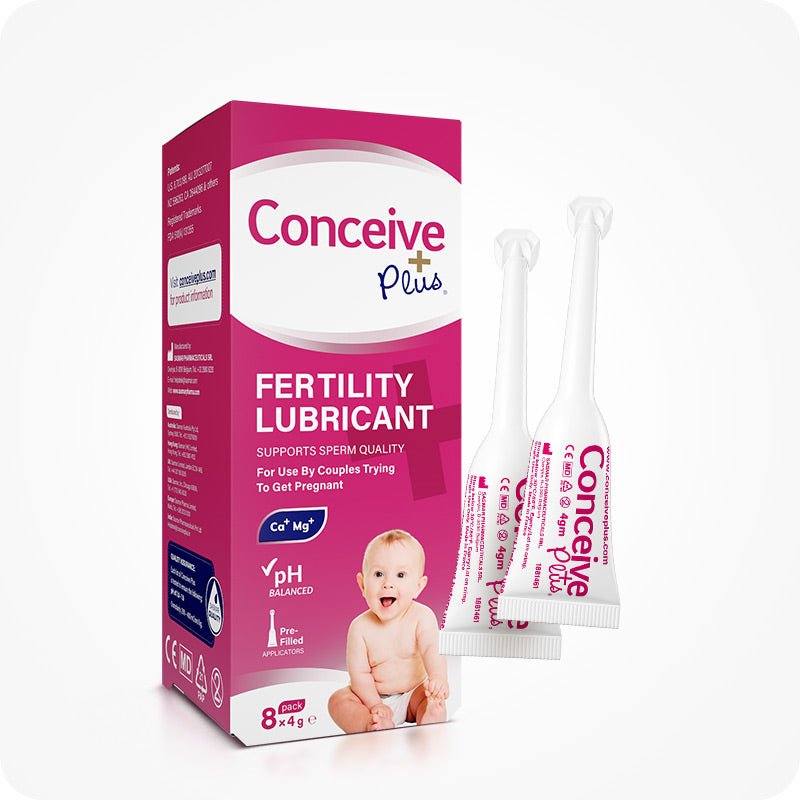
The egg-white mucus phase typically lasts 1–5 days and coincides with your highest fertility window. If you are experiencing dryness instead of fertile mucus — due to Clomid, age, stress, or other factors — this is where a fertility-safe lubricant such as Conceive Plus becomes particularly important.
Ovulation Tracking Method 4: Cycle Tracking Apps
Smartphone apps have made ovulation tracking more accessible than ever. Apps such as Natural Cycles, Clue, Ovia, and Flo use your cycle history, BBT data, OPK results, and cervical mucus observations to predict your fertile window with increasing accuracy over time.
What to look for in a fertility tracking app:
- Ability to log multiple data types (BBT, OPK, mucus, symptoms)
- Algorithm that adapts to your personal cycle rather than assuming a 28-day cycle
- Detailed cycle history and pattern analysis
- Clear fertile window visualisation
Apps that rely solely on period start dates to predict ovulation (basic calendar method) have a high error rate and are not recommended for active TTC cycles. Apps that incorporate actual physiological data are significantly more reliable.
Ovulation Tracking Method 5: Fertility Monitors and Wearables
Advanced fertility monitors represent the next level of ovulation tracking. Devices such as the Clearblue Connected Ovulation System, the Mira Fertility Monitor, and wearables like Oura Ring and Ava Bracelet offer more comprehensive hormonal or physiological tracking than standard OPKs or apps.
Urine-based hormone monitors (Clearblue, Mira): Measure LH and oestrogen levels quantitatively, not just qualitatively, allowing you to see the actual numbers and track your personal patterns. Particularly useful for women with irregular cycles or those who have difficulty interpreting standard OPK lines.
Wearable temperature monitors (Oura, Ava): Track continuous temperature data throughout the night, along with other physiological markers, to retrospectively identify ovulation timing with increasing accuracy over cycles.
These devices involve a higher upfront cost but provide significantly more data and may be worth the investment for women who have been trying to conceive for several months without success using standard methods.
Maximising Your Fertile Window Once You Have Identified It
Identifying your fertile window is only half the equation — you also need to maximise the conditions for conception within it. Here are the evidence-based strategies that give you the best chance:
- Have intercourse every 1–2 days during your fertile window: Daily intercourse is no more effective than every-other-day intercourse in most cases and may cause performance pressure. The goal is to ensure sperm are present throughout the window.
- Use a sperm-friendly lubricant if needed: If dryness is an issue during your fertile window — whether due to the stress of trying, fertility medications, or natural variation — use a fertility lubricant like Conceive Plus. Standard lubricants can immobilise sperm; Conceive Plus is formulated to protect and support them.
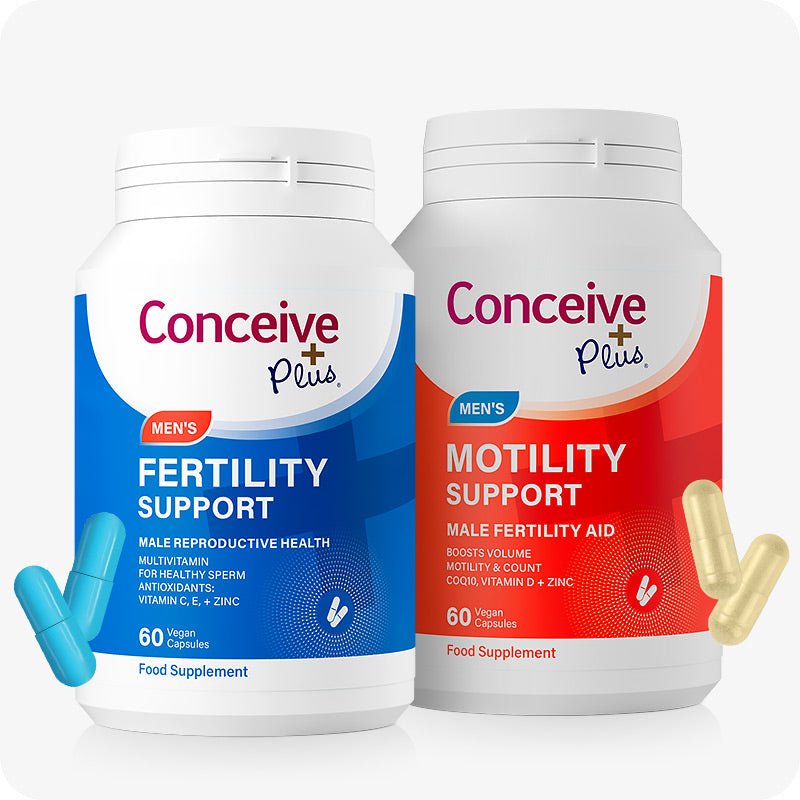
- Optimise sperm health in the weeks before: Sperm take approximately 72 days to mature, so lifestyle factors from 2–3 months before your fertile window affect sperm quality. Reducing alcohol, avoiding heat to the testicles, stopping smoking, and taking a male fertility supplement can all support sperm quality.
- Avoid stress-driven symptom spotting: After intercourse during your fertile window, try to limit excessive symptom monitoring. Stress during the two-week wait raises cortisol, which can interfere with implantation. Focus on maintaining normal routines.
Cervical mucus quality matters as much as timing. If dryness is reducing your natural lubrication during your fertile window, Conceive Plus provides a pH-balanced, sperm-safe alternative that supports sperm survival. Available across the UK at conceiveplus.co.uk.
Common Ovulation Tracking Mistakes and How to Avoid Them
Even experienced TTC trackers make errors that cost them fertile cycles. The most common mistakes include:
- Assuming ovulation on Day 14: As noted, the majority of women do not ovulate on exactly Day 14. Always use physiological data (OPKs, BBT, mucus) rather than calendar assumptions.
- Starting OPKs too late: If you begin testing on Day 12 and you ovulate on Day 11, you will miss your surge entirely. Start testing from Day 8–10 to ensure you capture it.
- Testing OPKs only once a day: LH surges can be brief — in some women, the surge peaks and falls within hours. Testing twice daily (morning and afternoon) during your expected ovulation window increases the chance of catching it.
- Confusing PCOS-related false positives with a real surge: Women with PCOS should look for a notably elevated reading above their personal baseline, not just any positive line.
- Not accounting for cycle variability: If your cycle varies by more than a few days, your fertile window shifts accordingly. Always base tracking on the current cycle, not an average.
- Ignoring cervical mucus: BBT and OPKs are most accurate when combined with mucus observation. Egg-white mucus is one of the clearest indicators of peak fertility.
When Ovulation Tracking Alone Is Not Enough
Ovulation tracking is a powerful first step, but it is not sufficient for everyone. Seek medical evaluation if:
- You have been trying for 12+ months without success (or 6 months if you are over 35)
- You are not detecting any LH surge or BBT rise across multiple cycles
- Your cycles are very irregular (varying by more than 7–10 days)
- You have known conditions affecting fertility (PCOS, endometriosis, thyroid disease, previous ectopic pregnancy)
- Your partner has known semen analysis concerns
A reproductive endocrinologist can offer cycle monitoring via ultrasound (follicle tracking), blood hormone panels, and HSG (to check fallopian tube patency) — providing a complete picture beyond what at-home tracking can reveal.
Frequently Asked Questions About Ovulation Tracking
How do I know if I am ovulating?
The most reliable at-home methods are OPKs (which detect the LH surge), BBT charting (which confirms the post-ovulation temperature rise), and cervical mucus observation (which shows egg-white fertile quality at peak fertility). Using all three together provides the most accurate picture.
Can I still get pregnant without tracking ovulation?
Yes, many people conceive without tracking. However, if you have been trying for more than a few months, tracking significantly improves your timing accuracy and helps ensure you are not missing your fertile window.
How long is my fertile window?
Your fertile window is approximately 6 days long: the 5 days before ovulation and the day of ovulation itself. Sperm can survive for up to 5 days in fertile cervical mucus, while the egg survives for only 12–24 hours after release.
What does a positive OPK mean?
A positive OPK indicates that your LH level is surging, which means ovulation is likely to occur within 24–36 hours. This is your cue to begin or continue having intercourse — ideally that day and the following 1–2 days.
Can stress delay ovulation?
Yes. High cortisol levels from stress can interfere with the hormonal cascade that triggers ovulation. This can cause ovulation to occur later in the cycle than usual, or in extreme cases, to be skipped entirely (anovulatory cycles). This is why managing stress during TTC is not just emotionally important — it is biologically relevant.
Is it possible to ovulate more than once per cycle?
Yes — multiple ovulations can occur within a 24-hour window, which is how fraternal (non-identical) twins are conceived. However, ovulation cannot occur a second time later in the same cycle once progesterone has risen. So while two eggs can be released, they are always released close together, not weeks apart.
What if my OPK is always negative?
If you consistently get negative OPKs across multiple cycles, possible explanations include: testing at the wrong time of day, short LH surges being missed, PCOS affecting baseline LH levels, anovulatory cycles, or premature ovarian insufficiency. Consult a GP or fertility specialist for hormone testing.
Does ovulation always happen on the same day each cycle?
Not always — even women with regular cycles can experience variation of several days in ovulation timing from month to month. This is why tracking actual physiological data each cycle is more reliable than assuming the same day every month.
Can I use ovulation tracking to avoid pregnancy (natural family planning)?
Some couples do use fertility awareness methods for contraception, but the margin for error is significant without professional training. For conception, ovulation tracking is ideal. For contraception, it requires formal instruction in a recognised method such as the Billings Ovulation Method or Creighton Model, and carries a higher failure rate than hormonal contraception when not applied rigorously.
How does Conceive Plus help during my fertile window?
If dryness is reducing natural cervical mucus during your fertile window — which can happen due to stress, fertility medications, age, or individual variation — Conceive Plus provides a sperm-safe lubricant that matches the pH and osmolality of fertile mucus. This creates a supportive environment for sperm without the toxicity of standard lubricants.
Combine precise ovulation tracking with the right fertility support. Conceive Plus is available across the UK — shop our full range at conceiveplus.co.uk.