Pregnancy after Having Your Tubes Tied?


Chance of Natural Pregnancy
Tubal litigation is about 99.9% effective, which means that a small number of women who have had the procedure still get pregnant naturally. Occasionally, as the fallopian tubes heal, a small opening called a fistula can remain. This opening can allow sperm to reach and fertilize an egg. Unfortunately, women who conceive after having their tubes tied have a high chance of ectopic pregnancy. This is because the egg can become blocked in the partially healed tube. If you have had your tubes tied but begin to experience signs of pregnancy (such as missing your period), you should talk with your doctor as soon as possible.Tubal Litigation Reversal

✨ Trying to Conceive?
Our fertility supplements combine Myo-Inositol with essential vitamins to support healthy hormone balance and regular ovulation.
Shop Now — $36.00✓ Free shipping available | ✓ Trusted by millions of couples worldwide
In Vitro Fertilization
For many women who have had their tubes tied, in vitro fertilization (IVF) represents the best chance of getting pregnant. An IVF procedure removes the woman’s eggs, fertilizes them with the man’s sperm, and then surgically inserts the eggs into the woman’s uterus. Unlike other methods of artificial insemination, IVF bypasses the fallopian tubes.🌱 Support Your Fertility Journey
Conceive Plus fertility supplements are clinically formulated to help regulate your cycle and support egg quality.
Shop Fertility Support →Frequently Asked Questions
Recommended by Fertility Experts
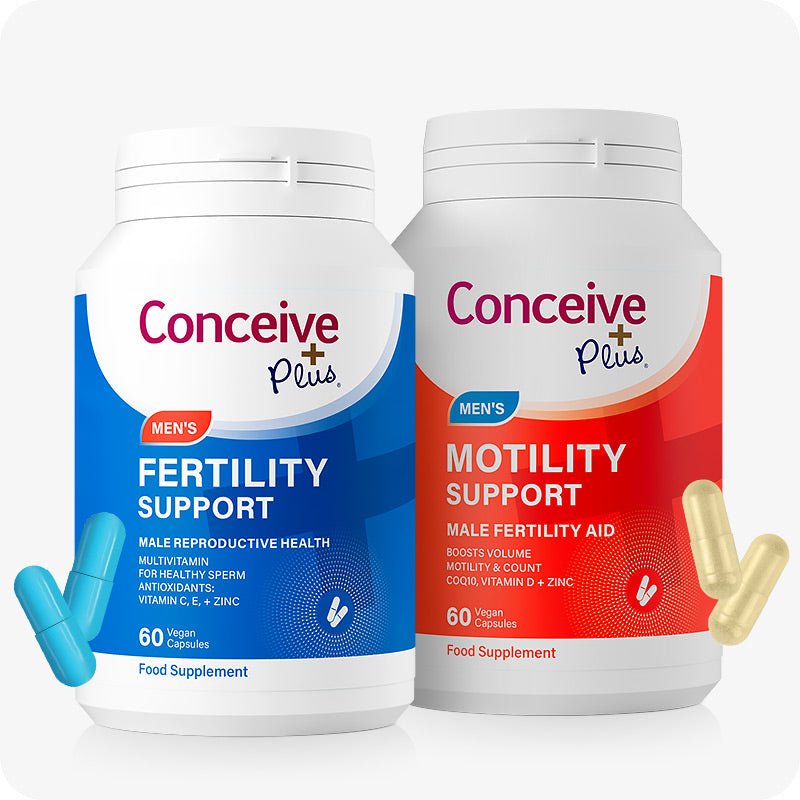
Conceive Plus Men's Fertility Support
Designed to support healthy sperm production, motility, and overall male reproductive health with clinically studied nutrients.
Shop Now →Can you get pregnant naturally after having your tubes tied?
Yes, though it's rare. Tubal ligation is approximately 99.9% effective, meaning a very small number of women may still conceive naturally. This can occur when a tiny opening called a fistula forms as the fallopian tubes heal, allowing sperm to reach and fertilise an egg.
Can I get tubal ligation reversal on the NHS?
Unfortunately, tubal ligation reversal is not typically funded by the NHS, as sterilisation is considered a permanent form of contraception. Most women seeking reversal surgery will need to pay privately, with costs ranging from £3,000 to £6,000 depending on the clinic and complexity of the procedure.
Is IVF available on the NHS after having tubes tied?
NHS funding for IVF varies significantly by area, and having had your tubes tied may affect your eligibility. NICE guidelines recommend that women under 40 should be offered three cycles of IVF, but individual Clinical Commissioning Groups (CCGs) set their own criteria, and voluntary sterilisation may be considered a disqualifying factor in some regions.
What are the signs of ectopic pregnancy after tubal ligation?
If you've had your tubes tied and experience
How long is the waiting list for tubal reversal surgery in the UK?
Since tubal reversal is almost always performed privately in the UK, there isn't typically a waiting list as with NHS procedures. Most private fertility clinics can arrange a consultation within a few weeks, with surgery scheduled shortly after if you're deemed a suitable candidate.
What's the success rate of tubal ligation reversal in the UK?
Success rates for tubal reversal vary depending on factors such as your age, the type of original sterilisation procedure, and how much healthy fallopian tube remains. Generally, pregnancy rates after reversal range from 40% to 80%, with women under 35 who had clips or rings having the best outcomes.
Should I choose tubal reversal or IVF if I want to conceive after sterilisation?
This depends on several factors including your age, fertility health, and how your tubes were originally tied. The HFEA recommends discussing both options with a fertility specialist, as IVF may offer better success rates for women over 37 or those whose tubes were extensively damaged during the original procedure.
Trusted by Couples in Over 70 Countries
Support Male Fertility From the Inside Out
Male fertility is just as important as female fertility in the conception journey. Conceive Plus Men's range delivers targeted nutritional support to promote healthy sperm and overall reproductive wellbeing.
Shop Men's Range →