Sperm Health: The Complete Guide to Improving Male Fertility Naturally


Sperm Health: The Complete Guide to Improving Male Fertility Naturally
Male fertility contributes to roughly half of all conception difficulties, yet it remains dramatically under-discussed. When couples struggle to conceive, the focus often defaults to the female partner—but statistics tell a different story. Studies suggest that male factor issues are involved in 40–50% of all infertility cases. Sperm health is not a niche concern. It's a central pillar of fertility for any couple trying to conceive.
The good news? Sperm health is highly modifiable. Unlike female egg reserve, which is largely determined at birth, sperm production is a continuous process—new sperm are generated every 64–74 days. This means that meaningful improvements to sperm quality can be achieved within a few months through lifestyle, nutrition, and targeted supplementation.
This guide covers everything couples need to know: what sperm health actually means, how it's measured, what damages it, and—most importantly—what you can do right now to improve it.
What Does "Sperm Health" Actually Mean?
When fertility specialists evaluate sperm, they assess several distinct parameters that together determine reproductive capacity:
Sperm Count (Concentration)
The total number of sperm per millilitre of semen. The WHO reference value is ≥16 million sperm/mL. Lower counts are classified as oligospermia; complete absence of sperm is azoospermia.
Sperm Motility
The percentage of sperm that are moving. Total motility (any movement) should be ≥42%; progressive motility (moving in a forward direction) should be ≥30%. Sperm need to swim 18–20 centimetres to reach the egg—motility is non-negotiable for natural conception.
Sperm Morphology
The percentage of sperm with normal size and shape. By WHO 2021 criteria, ≥4% normal morphology is the reference value. Even in fertile men, only a small fraction of sperm have ideal morphology—the body produces vast numbers specifically to ensure some meet the standard.
DNA Fragmentation
The integrity of sperm DNA. High DNA fragmentation (>25% by DFI) is associated with reduced fertilisation rates, poor embryo quality, and miscarriage—even when standard semen parameters appear normal. This is an increasingly important metric in fertility assessment.
Semen Volume
Total ejaculate volume should be ≥1.4mL. Low volume may indicate blockage, retrograde ejaculation, or hormonal issues.
The Biggest Threats to Sperm Health
Support Your Sperm Health with Conceive Plus
Our scientifically formulated men's fertility supplements are designed to support count, motility, morphology, and DNA integrity.
Shop Men's Fertility Supplements →Modern lifestyles contain numerous factors that compromise sperm quality. Understanding them is the first step to addressing them:
Heat Exposure
Sperm production (spermatogenesis) requires a temperature 2–4°C below core body temperature—this is why the testes are external. Frequent hot baths, saunas, laptop use on the lap, and even tight underwear can chronically raise scrotal temperature and suppress sperm production. Studies show that men who use saunas regularly have significantly lower sperm counts and motility. Switching to loose-fitting underwear and avoiding heat sources can produce measurable improvements within a spermatogenesis cycle (about 10 weeks).
Oxidative Stress
Reactive oxygen species (ROS) are natural by-products of cellular metabolism, but when they exceed the body's antioxidant capacity, they attack sperm membranes and DNA. Sperm are particularly vulnerable because their cell membranes are rich in polyunsaturated fatty acids (PUFAs), which oxidise easily. Smoking, alcohol, processed food, and environmental pollutants are all major sources of oxidative stress.
Obesity and Metabolic Syndrome
Excess adipose tissue converts testosterone to oestrogen via aromatase enzymes, disrupting the hormonal balance essential for sperm production. Men with a BMI above 30 have consistently lower sperm counts, higher DNA fragmentation, and elevated scrotal temperature compared to men within the healthy range.
Smoking and Alcohol
Tobacco smoke contains over 4,000 chemicals that induce oxidative stress, DNA damage, and hormonal disruption. Even 10 cigarettes per day is associated with 13–17% reductions in sperm motility. Alcohol, particularly heavy use, reduces testosterone, increases oestrogen, and impairs sperm morphology.
Environmental Toxins
Endocrine-disrupting chemicals (EDCs)—found in plastics, pesticides, personal care products, and industrial chemicals—mimic hormones and interfere with spermatogenesis. Bisphenol A (BPA), phthalates, and parabens are among the most studied. Choosing BPA-free products and reducing exposure where possible has evidence-backed benefits.
Stress
Chronic psychological stress elevates cortisol, which directly suppresses GnRH (gonadotropin-releasing hormone), LH, FSH, and ultimately testosterone—the hormonal cascade required for sperm production. Men experiencing high occupational or personal stress consistently show lower sperm counts in studies.
Nutrition for Sperm Health: What the Evidence Says
Diet has a profound effect on sperm parameters. The Mediterranean diet—rich in vegetables, fruits, legumes, fish, and olive oil—is consistently associated with better sperm count, motility, and morphology in research. Conversely, diets high in processed meat, trans fats, and refined sugar are linked to worse sperm quality.
Key nutrients with the strongest evidence for sperm health:
- Zinc: Essential for testosterone synthesis, sperm development, and protecting sperm DNA from oxidative damage. Found in oysters, beef, pumpkin seeds, and legumes.
- Selenium: Required for selenoprotein P, which protects sperm mitochondria and tail structures critical for motility. Brazil nuts, fish, and eggs are good sources.
- Folate: Men with low folate intake have higher rates of sperm DNA fragmentation. Leafy greens, legumes, and fortified foods provide folate.
- Omega-3 fatty acids: DHA is a structural component of sperm membranes and tails. Adequate omega-3 intake (from oily fish or supplements) is associated with improved motility and morphology.
- Vitamin D: Deficiency is strongly correlated with reduced testosterone and impaired sperm motility. Supplementation in deficient men has shown improvements in semen parameters.
- Lycopene: A potent antioxidant found in tomatoes (especially cooked) that has shown promise for reducing DNA fragmentation in studies.
Key Supplements for Male Fertility
While diet provides the foundation, targeted supplementation addresses specific deficiencies or provides therapeutic doses not achievable through food alone. The most evidence-supported supplements for sperm health include:
CoQ10 (Coenzyme Q10)
CoQ10 is a central component of mitochondrial energy production—the very process that powers sperm motility. It's also a potent antioxidant. A meta-analysis of 7 randomised controlled trials found that CoQ10 supplementation significantly improved sperm concentration, motility, and morphology in subfertile men. Typical dosing ranges from 200–600mg daily.
L-Carnitine
L-carnitine and acetyl-L-carnitine are concentrated in the epididymis, where sperm mature and acquire motility. Multiple clinical trials have shown that L-carnitine supplementation improves total and progressive motility, particularly in men with asthenospermia (poor motility).
Zinc
Zinc deficiency is one of the most common nutritional contributors to male infertility. Supplementation in zinc-deficient men has produced some of the most dramatic improvements in sperm count and motility seen in nutritional research—in one study, sperm count nearly tripled after six months of zinc supplementation in deficient men.
Folic Acid (or Methylfolate)
The combination of zinc and folate has been studied specifically for male fertility. Men taking both showed significant improvements in sperm count versus placebo in a landmark double-blind trial. Men with MTHFR gene variants should choose methylfolate over synthetic folic acid.
Vitamin E and C
These antioxidant vitamins work synergistically to reduce oxidative stress on sperm. Vitamin E is fat-soluble and protects sperm membranes; vitamin C is water-soluble and abundant in seminal plasma. Both are depleted by smoking, poor diet, and chronic stress.
How Conceive Plus Supports Male Fertility
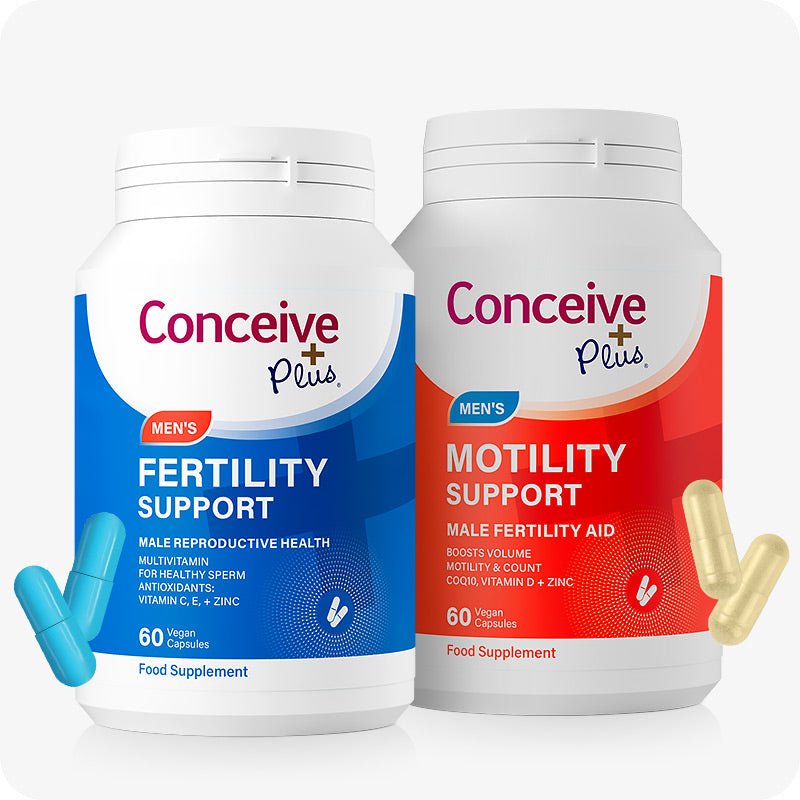
Conceive Plus offers a complete male fertility supplement formulated with the evidence-based nutrients your body needs for optimal sperm health. Rather than piecemeal supplementation, the Conceive Plus Men's Fertility formula combines CoQ10, zinc, selenium, L-carnitine, folate, vitamin D, omega-3 fatty acids, and antioxidant vitamins in one comprehensive daily supplement.
This isn't a generic multivitamin. Conceive Plus is formulated specifically for men trying to conceive, with dosages calibrated to clinical research standards. The formula addresses the full spectrum of sperm health parameters: count, motility, morphology, and DNA integrity.
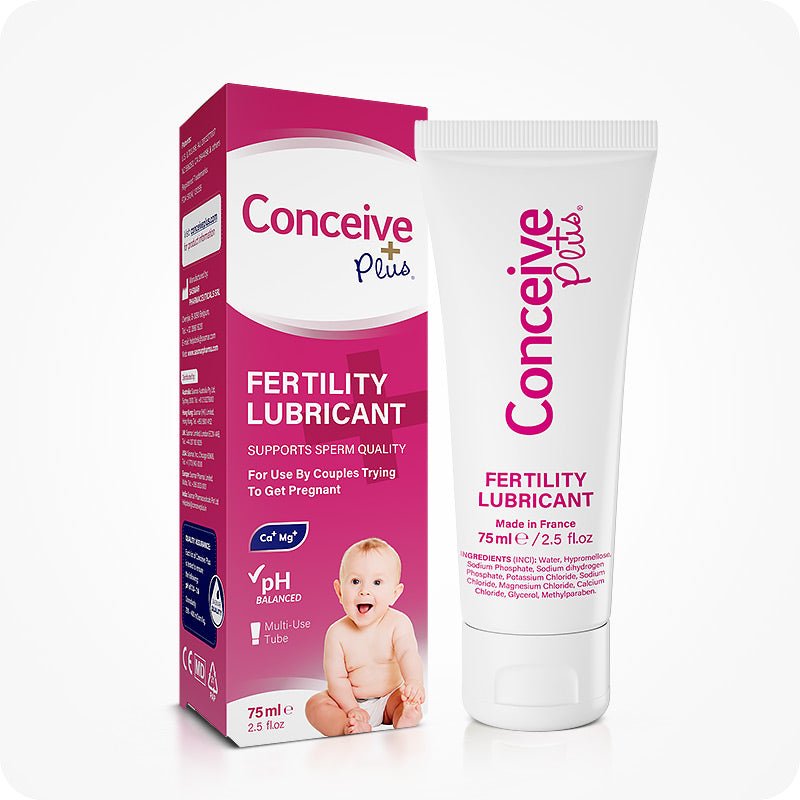
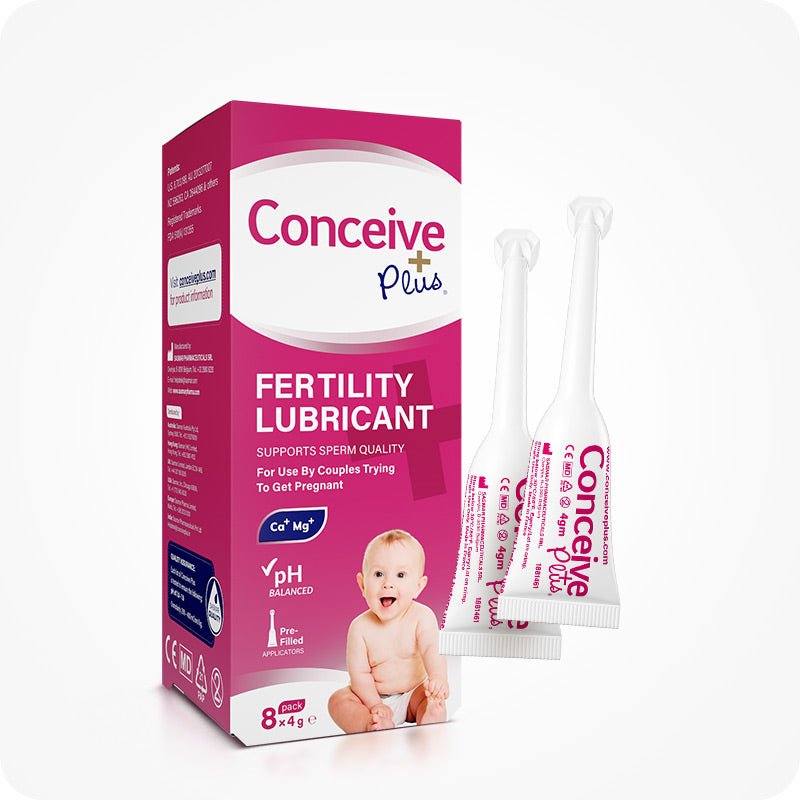
Conceive Plus also produces a fertility lubricant that's essential for couples trying to conceive. Standard lubricants damage sperm—Conceive Plus lubricant contains physiological calcium and magnesium ions and maintains optimal pH (7.0–7.2) and osmolality to create a supportive environment for sperm. For men with already-challenged sperm parameters, using a sperm-safe lubricant is particularly important.
Lifestyle Changes That Actually Move the Needle
Supplementation works best alongside lifestyle improvements. Here's what consistently shows results in research:
- Exercise moderately: 150 minutes of moderate aerobic exercise per week is associated with better sperm parameters. Excessive high-intensity training, however, can temporarily suppress testosterone and sperm production.
- Maintain a healthy weight: Losing even 5–10% of body weight in overweight men produces measurable improvements in testosterone and sperm quality within months.
- Quit smoking: Improvements in sperm quality are measurable within 3 months of cessation, with continued gains through a full spermatogenesis cycle.
- Limit alcohol: Reducing to ≤14 units per week is associated with better semen parameters; further reductions produce additional gains.
- Manage stress: Evidence supports mindfulness, yoga, and counselling in reducing cortisol and improving sperm parameters in stressed men.
- Sleep 7–9 hours: Short sleep (<6h) is associated with lower testosterone and reduced sperm count in multiple studies.
- Switch to boxers: Swapping briefs for boxer shorts reduces scrotal temperature by approximately 0.8°C—a physiologically meaningful change for men with heat-sensitive sperm production.
How Long to See Results?
Spermatogenesis—the complete cycle of sperm production—takes approximately 64–74 days (about 10 weeks). After that, newly produced sperm spend an additional 10–14 days in the epididymis maturing before ejaculation.
This means that lifestyle and supplement changes made today won't appear in semen analysis for at least 3 months. Patience is essential. Commit to the programme for a minimum of one complete spermatogenesis cycle before evaluating results. Many fertility specialists recommend a 6-month trial before drawing conclusions.
When to Seek Professional Help
While lifestyle optimisation is powerful, some causes of male infertility require medical intervention. Seek evaluation from a urologist or andrologist if:
- You've been trying to conceive for 12 months (or 6 months if your partner is over 35)
- Semen analysis shows azoospermia (no sperm) or very severe oligospermia
- You have a history of undescended testicles, testicular surgery, or torsion
- You have a varicocele (varicose veins in the testes)—surgical correction improves sperm parameters in most cases
- Hormonal blood tests show abnormal FSH, LH, testosterone, or prolactin
Frequently Asked Questions: Sperm Health
Q1: How quickly can sperm quality improve?
Meaningful improvements can be seen within one spermatogenesis cycle (approximately 3 months). However, full benefits of lifestyle and supplement interventions may take 3–6 months to manifest fully in semen analysis results.
Q2: Can I improve sperm morphology?
Yes, though morphology is considered the most difficult parameter to improve. Antioxidants (CoQ10, vitamins E and C), reducing heat exposure, and addressing DNA fragmentation through supplementation can all produce modest but meaningful morphology improvements over time.
Q3: Does age affect sperm quality?
Yes. While men can father children into old age, sperm quality—particularly DNA fragmentation and morphology—declines with age. The effect accelerates after 40. This is why paternal age is an increasingly recognised factor in fertility and miscarriage risk.
Q4: Do sperm parameters fluctuate naturally?
Significantly. Sperm count and motility can vary by 30–50% between ejaculates in the same man, influenced by abstinence period, recent illness, stress, alcohol, and other factors. A single semen analysis provides a limited snapshot—two analyses, ideally 2–4 weeks apart, give a more reliable picture.
Q5: Is it safe to take multiple fertility supplements together?
Generally yes, though it's prudent to avoid exceeding safe upper limits for fat-soluble vitamins (A, D, E, K). A specifically formulated male fertility supplement like Conceive Plus Men's formula is designed with safe, effective dosing combinations already calibrated.
Q6: Does masturbation frequency affect sperm count?
Frequent ejaculation can temporarily reduce sperm count per ejaculate, but this replenishes rapidly. For timed intercourse, many fertility specialists suggest 2–3 days of abstinence before the fertile window—long enough to build optimal volume, not so long that sperm age and DNA fragmentation increases.
Q7: Can varicoceles be treated without surgery?
Minor varicoceles may respond to lifestyle optimisation, but significant varicoceles causing measurable sperm parameter impairment typically require surgical varicocelectomy or radiological embolisation for meaningful improvement.
Q8: Does Conceive Plus lubricant affect sperm?
Conceive Plus lubricant is specifically formulated to be sperm-safe. Unlike standard lubricants, it does not harm sperm motility or viability. It's pH-balanced, isotonic, and free from spermicidal ingredients—making it the recommended lubricant for couples trying to conceive.
Conclusion: Take Control of Your Fertility
Sperm health is not fixed. It's dynamic, responsive, and—within a few months—substantially improvable through the choices you make today. Whether your sperm parameters are currently within range or below reference values, there's almost always room for meaningful improvement.
Start with the foundational changes: diet, exercise, sleep, and avoiding toxins. Add targeted supplementation with Conceive Plus Men's fertility formula. And if you're using lubricant during timed intercourse, switch to Conceive Plus—the sperm-safe choice with the unique calcium and magnesium ion formulation that actually supports the fertilisation process.
Male fertility is a journey, not a diagnosis. Take it one spermatogenesis cycle at a time.
Support Your Sperm Health with Conceive Plus
Our scientifically formulated men's fertility supplements are designed to support count, motility, morphology, and DNA integrity.
Shop Men's Fertility Supplements →