Sperm quality may impact offspring



✨ Support Healthy Sperm
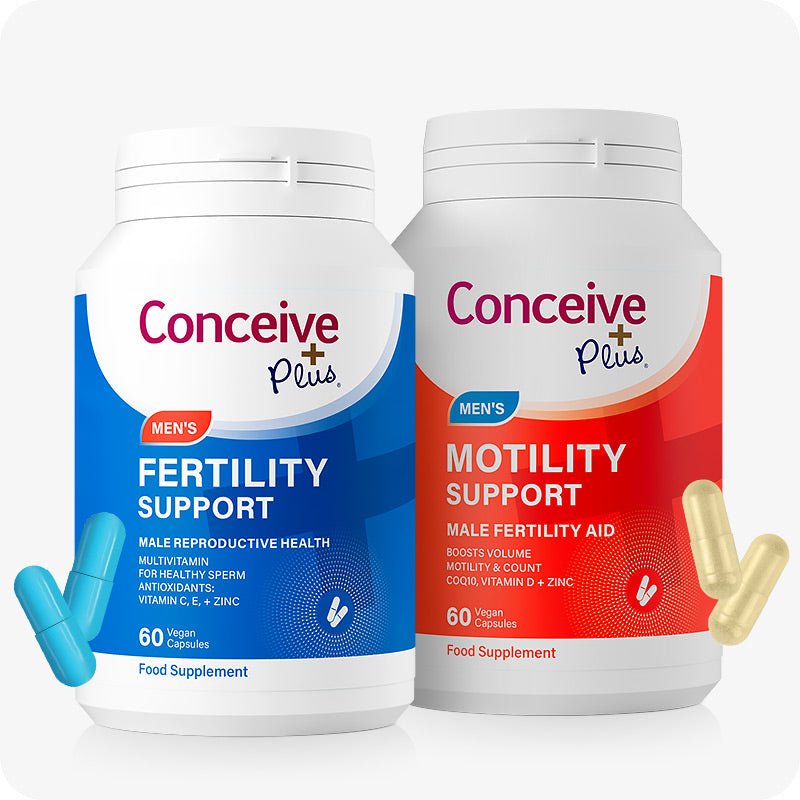
Our Motility Support supplement contains Zinc, CoQ10, and L-Carnitine — clinically studied nutrients for sperm health and motility.
Shop Now — $24.99✓ Free shipping available | ✓ Trusted by millions of couples worldwide
 enhancement pills that are natural products of botanical and amino acids, help males anatomy and their reproductive system, some just boost desire for sex or they are a way on how to last longer in bed, but many raise stamina and the semen volume increases, so the sperm quality can improve and by end help you increase the possibilities of conceiving.
The specific problem with older semen was lower volume, poor sperm performance, and increases in malformed and DNA-damaged sperm. Semen quality is used to show how fertile a man is. However instead of relying on semen volume, sperm concentration and total sperm count, which are common clinically measured traits, Johnson said a greater focus on the ratio of DNA-fragmented sperm cells and their ability to swim, could be more important aspects of sperm quality: these are likely more accurate and consistent predictors of a man’s fertility status.The findings were significant because many couples were waiting longer to have children, Johnson said.
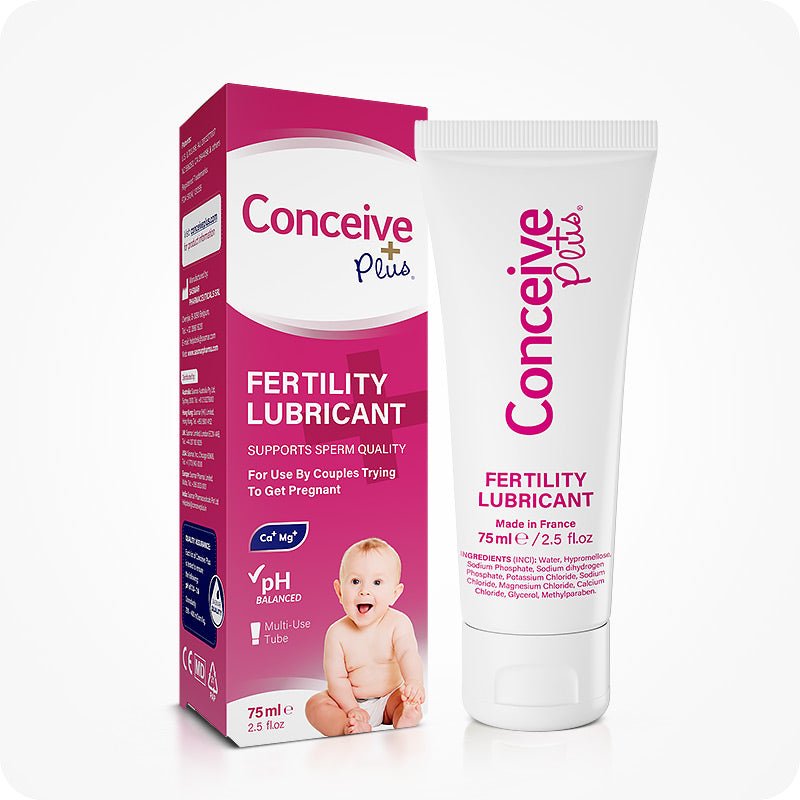
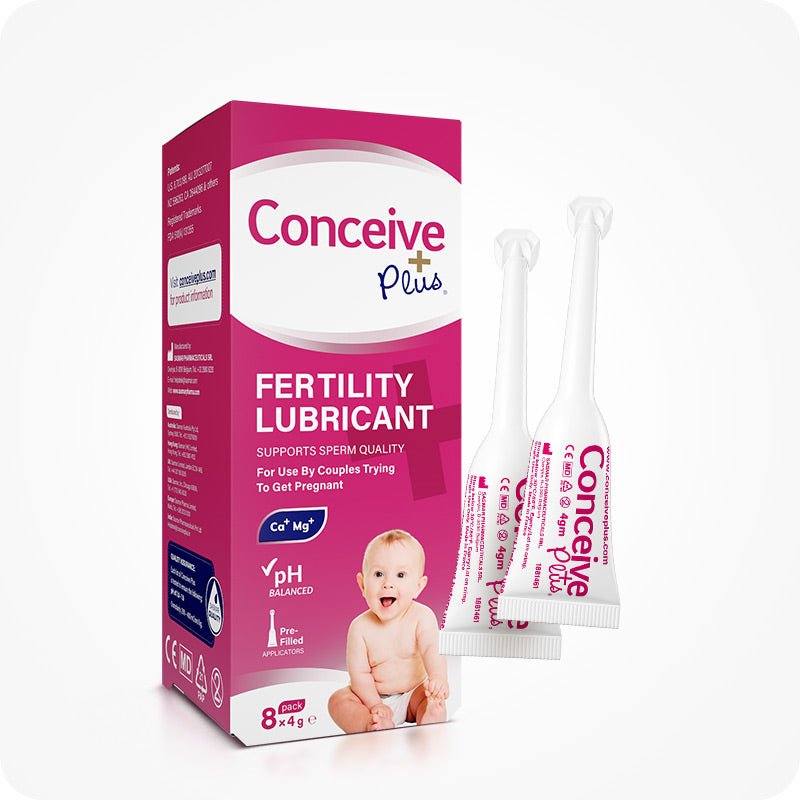
Conceive Plus® is the ideal fertility lubricant for all couples trying for a baby naturally. Clinically proven to support sperm health and viability, Conceive Plus® is FDA cleared for use by trying to conceive couples and is safe for sperm and does not cause DNA fragmentation. How to get pregnant with Conceive Plus®.
enhancement pills that are natural products of botanical and amino acids, help males anatomy and their reproductive system, some just boost desire for sex or they are a way on how to last longer in bed, but many raise stamina and the semen volume increases, so the sperm quality can improve and by end help you increase the possibilities of conceiving.
The specific problem with older semen was lower volume, poor sperm performance, and increases in malformed and DNA-damaged sperm. Semen quality is used to show how fertile a man is. However instead of relying on semen volume, sperm concentration and total sperm count, which are common clinically measured traits, Johnson said a greater focus on the ratio of DNA-fragmented sperm cells and their ability to swim, could be more important aspects of sperm quality: these are likely more accurate and consistent predictors of a man’s fertility status.The findings were significant because many couples were waiting longer to have children, Johnson said.
Conceive Plus® is the ideal fertility lubricant for all couples trying for a baby naturally. Clinically proven to support sperm health and viability, Conceive Plus® is FDA cleared for use by trying to conceive couples and is safe for sperm and does not cause DNA fragmentation. How to get pregnant with Conceive Plus®.
🌱 Boost Male Fertility Naturally
Conceive Plus Men's Motility Support is formulated with the nutrients that matter most for sperm quality, count, and motility.
Shop Men's Fertility →Frequently Asked Questions
Recommended by Fertility Experts
Conceive Plus Men's Fertility Support
Designed to support healthy sperm production, motility, and overall male reproductive health with clinically studied nutrients.
Shop Now →Does a man's age affect sperm quality and fertility?
Yes, research from the University of Otago confirms that sperm quality declines as men age, with some studies suggesting this decline can begin as early as 35. Older sperm tends to have lower volume, reduced motility, and increased DNA damage, which can affect both conception rates and offspring health. The NHS recognises that male factor infertility contributes to around 1 in 7 UK couples experiencing difficulty conceiving.
Can older fathers pass on health conditions to their children?
Studies show that advanced paternal age is associated with an increased risk of certain conditions in offspring, including autism spectrum disorder, epilepsy, and schizophrenia. While the overall risk remains relatively low, the research suggests that sperm DNA damage accumulates over time. If you have concerns, speak to your GP who can refer you for appropriate genetic counselling.
What age is considered too old for men to have children in the UK?
Unlike women, men don't have a definitive biological cut-off for fertility, but sperm quality does decline progressively from around age 35-40. The HFEA notes that male age can impact IVF success rates, and some UK fertility clinics set upper age limits for sperm donors at 40-45. There's no NHS guideline stating men are "too old" to conceive naturally, but discussing your individual circumstances with a fertility specialist is advisable.
Can I get my sperm tested on the NHS?
Yes, your GP can refer you for a semen analysis if you've been trying to conceive for 12 months without success, or sooner if there are known concerns. According to NICE guidelines, initial fertility investigations should be offered to both partners simultaneously. NHS waiting times vary by area and CCG funding, so check with your local integrated care board for specific timescales in your region.
How can I improve my sperm quality naturally before trying to conceive?
The NHS recommends maintaining a healthy weight, reducing alcohol intake, stopping smoking, and avoiding tight underwear to support sperm health. Nutrients such as zinc, CoQ10, and L-carnitine have been clinically studied for their role in supporting sperm motility and quality. Making these lifestyle changes at least three months before TTC allows time for new, healthier sperm to develop.
Does sperm quality affect IVF success rates in the UK?
Yes, the HFEA confirms that sperm quality is an important factor in IVF and ICSI success rates. Poor sperm morphology, motility, or DNA fragmentation can reduce fertilisation rates and embryo development. If male factor infertility is identified, your fertility clinic may recommend ICSI treatment, where a single healthy sperm is injected directly into the egg.
Will the NHS fund fertility treatment if the problem is male infertility?
NHS funding for fertility treatment varies significantly across England, Wales, Scotland, and Northern Ireland, with each integrated care board setting its own eligibility criteria. NICE guidelines recommend that couples should be offered up to three cycles of IVF where male factor infertility is identified, though in practice many areas offer fewer. Check your local ICB's funding policy and be prepared that you may face waiting lists or need to consider private treatment options.
Trusted by Couples in Over 70 Countries
Support Male Fertility From the Inside Out
Male fertility is just as important as female fertility in the conception journey. Conceive Plus Men's range delivers targeted nutritional support to promote healthy sperm and overall reproductive wellbeing.
Shop Men's Range →