The Fertility Diet: What to Eat (and Avoid) to Boost Your Chances of Conceiving


The Fertility Diet: What to Eat (and Avoid) to Boost Your Chances of Conceiving
When it comes to fertility, most people focus on timing and testing. But what you eat — day in, day out — has a profound influence on reproductive health for both women and men. From hormone production and egg quality to sperm motility and uterine receptivity, nutrition underpins nearly every aspect of the conception process.
This guide explores the scientific evidence behind fertility nutrition: the foods that nourish reproductive health, the nutrients that matter most, and the dietary patterns linked to improved conception outcomes — all tailored for couples navigating the UK fertility landscape.
How Diet Influences Fertility: The Science Overview
Nutrition affects fertility through multiple intersecting pathways. The most direct include:
Hormone regulation: The reproductive hormones — oestrogen, progesterone, FSH, LH, and testosterone — are synthesised from raw nutritional materials. Cholesterol, for instance, is the backbone of all steroid hormones. Fat-soluble vitamins (A, D, E, K) play essential regulatory roles.
Egg and sperm quality: Both eggs and sperm are susceptible to oxidative damage. Antioxidant nutrients — vitamins C and E, selenium, zinc, coenzyme Q10 — help protect reproductive cells from free radical damage, supporting DNA integrity.
Inflammation: Chronic low-grade inflammation impairs implantation and contributes to conditions like endometriosis and PCOS. An anti-inflammatory dietary pattern — rich in omega-3s, whole foods, and colourful vegetables — actively supports the uterine environment.
Insulin sensitivity: Blood sugar regulation is tightly linked to ovulation. Insulin resistance — exacerbated by refined carbohydrates and sugar — disrupts the hormonal cascade that triggers ovulation, particularly in women with PCOS.
A landmark study from Harvard's Nurses' Health Study II tracked over 18,000 women and found that those who followed a "fertility diet" (rich in plant proteins, whole grains, full-fat dairy, and key micronutrients) had significantly lower rates of ovulatory infertility. These findings have since been replicated across multiple populations.
The Core Fertility Diet Framework
Rather than a rigid meal plan, the fertility diet is a flexible nutritional framework. Its core principles align closely with the broader Mediterranean diet — which has independently been associated with improved IVF outcomes, higher pregnancy rates, and better sperm quality.
Prioritise:
- Colourful vegetables and fruits — for antioxidants, folate, fibre, and phytonutrients
- Whole grains (oats, brown rice, quinoa, barley) — for blood sugar stability and B vitamins
- Legumes (lentils, chickpeas, beans) — for plant protein, folate, and zinc
- Fatty fish (salmon, sardines, mackerel, herring) — for omega-3 fatty acids
- Nuts and seeds (walnuts, flaxseed, pumpkin seeds) — for omega-3s, zinc, and selenium
- Full-fat dairy (in moderation) — associated with improved ovulatory fertility in the Harvard study
- Extra virgin olive oil — for monounsaturated fats and anti-inflammatory polyphenols
Reduce or avoid:
- Ultra-processed foods (biscuits, crisps, ready meals high in additives)
- Refined sugars and high-glycaemic foods (white bread, sugary drinks, sweets)
- Trans fats (partially hydrogenated oils found in some commercial baked goods)
- Excessive alcohol (both partners)
- High-mercury fish (shark, swordfish, marlin, tilefish)
Key Nutrients for Female Fertility
Folate (Folic Acid): The most well-established fertility nutrient. The NHS recommends 400mcg daily for women trying to conceive and during the first 12 weeks of pregnancy to reduce neural tube defect risk. Folate is critical for DNA synthesis and cell division. Food sources: dark leafy greens, fortified cereals, lentils, citrus fruit. The methylated form (methylfolate/5-MTHF) is better absorbed by women with the MTHFR gene variant.
Vitamin D: Deficiency is highly prevalent in the UK due to limited sunlight exposure, particularly from October to March. Vitamin D receptors are present in ovarian tissue, and low levels are associated with reduced IVF success rates and irregular ovulation. The NHS recommends 10 micrograms (400 IU) daily for all UK adults. Sources: oily fish, eggs, fortified foods. Supplementation is often necessary in the UK.
Iron: Iron deficiency is one of the most common nutritional deficiencies in women of reproductive age. Non-haem iron (from plant sources) requires adequate vitamin C for absorption. Good sources: lentils, tofu, fortified cereals, dark green vegetables. Paired with vitamin C-rich foods (citrus, peppers, kiwi), absorption increases significantly.
Omega-3 Fatty Acids (DHA/EPA): Essential for hormone synthesis, reducing uterine inflammation, and supporting early embryo development. The typical UK diet is deficient in omega-3s. Aim for 2–3 portions of oily fish per week (noting pregnancy-safe limits) or consider an algae-based omega-3 supplement.
Iodine: Critical for thyroid function, which regulates reproductive hormones. Iodine deficiency during early pregnancy is linked to cognitive impairment in offspring. UK women trying to conceive often don't meet requirements. Sources: dairy, fish, eggs, seaweed (in controlled amounts).
Antioxidants (Vitamins C, E, and Coenzyme Q10): Protect eggs from oxidative damage. Egg quality declines with age partly due to increased oxidative stress. CoQ10 is particularly discussed in fertility circles for its role in mitochondrial energy production within eggs — mitochondrial function is essential for fertilisation and early embryo development.
Complement Your Fertility Diet
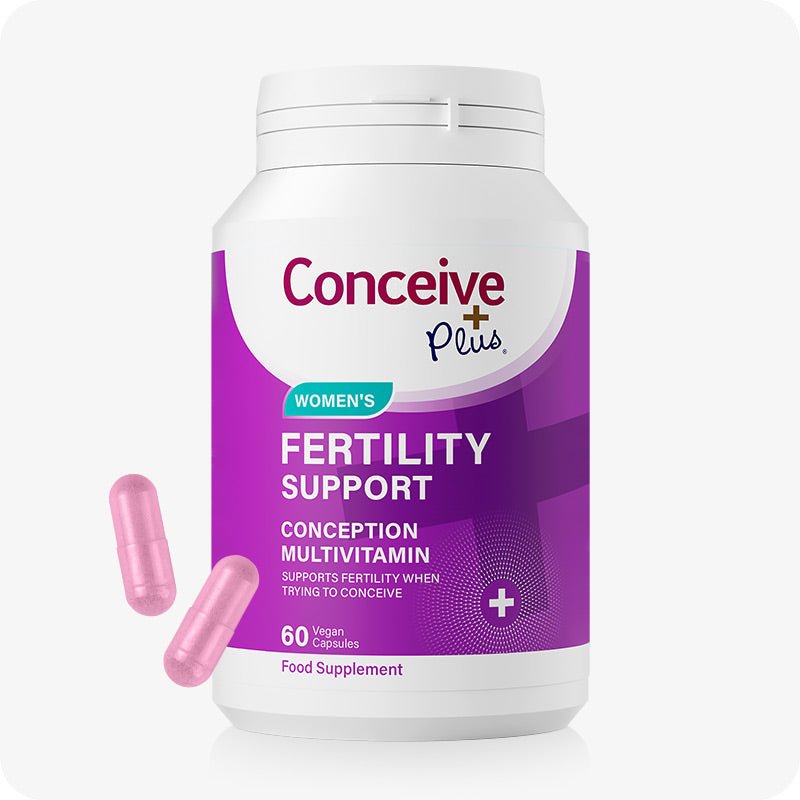
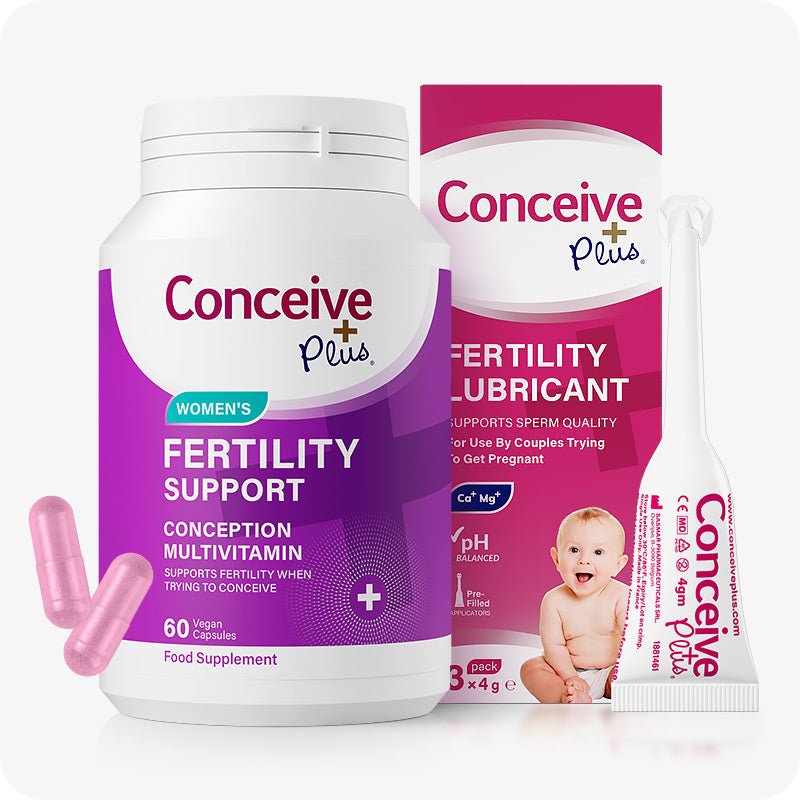
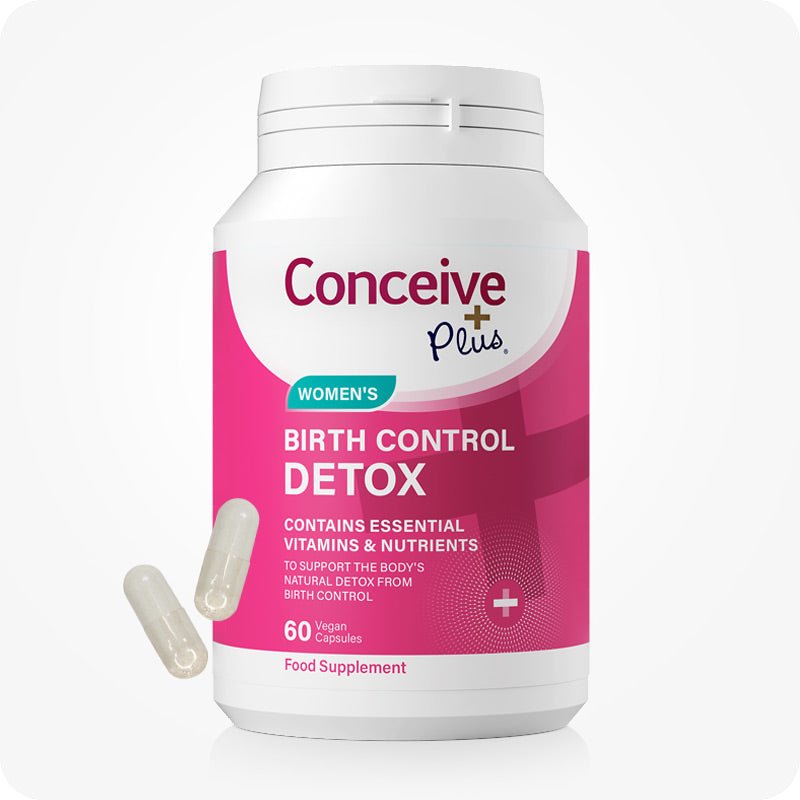
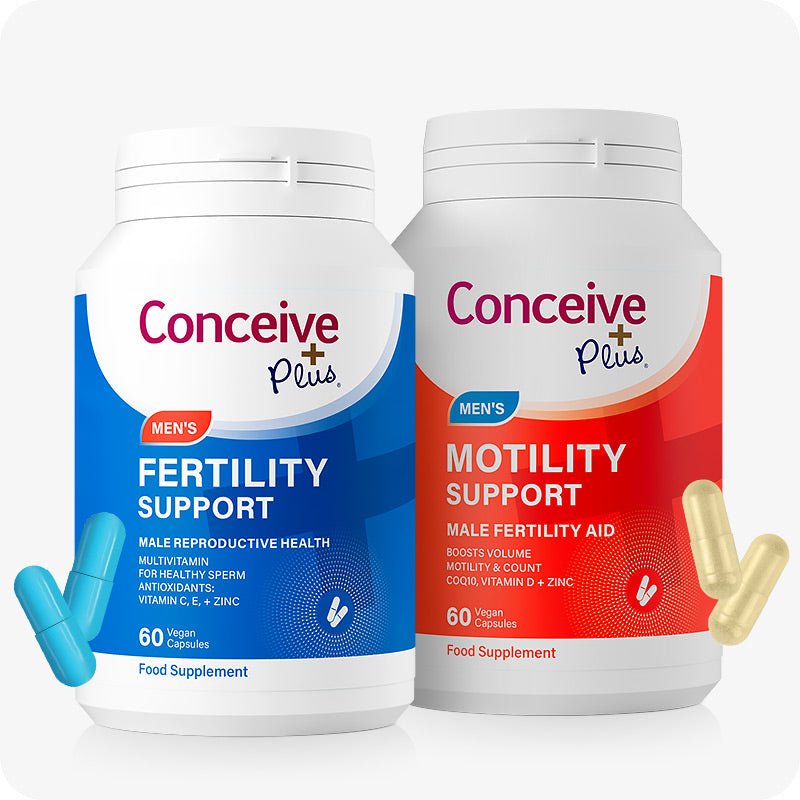
Even the best diets have nutritional gaps. Conceive Plus Women's Fertility Support provides essential nutrients including folate, vitamin D, CoQ10, and key antioxidants — formulated specifically to complement a conception-focused nutritional approach.
Explore Women's Supplements →Male Fertility Nutrition: The Often-Overlooked Half
Male factor infertility accounts for approximately 50% of all fertility challenges. Yet nutrition for male fertility is dramatically under-discussed. Sperm take approximately 74 days (roughly 2.5 months) to develop — meaning today's diet is shaping sperm quality for the next cycle.
Zinc: Essential for testosterone production and sperm development. Deficiency is associated with reduced sperm count and motility. Sources: oysters (the richest food source), red meat, poultry, pumpkin seeds, legumes.
Selenium: Required for sperm motility and DNA integrity. Brazil nuts are the most concentrated dietary source — just 2–3 per day meets the requirement. Also found in fish, meat, and eggs.
Lycopene: A carotenoid antioxidant found in tomatoes (particularly cooked/processed tomatoes, as cooking increases lycopene bioavailability) linked to improved sperm motility and morphology in several studies. Also in watermelon, pink grapefruit, papaya.
Vitamin C and E: Antioxidants that protect sperm DNA from oxidative damage. Oxidative stress is a significant contributor to poor sperm parameters. Studies show supplementation can improve sperm motility and reduce DNA fragmentation.
Folate for men: Sperm also require folate for proper DNA synthesis. Male folate deficiency is associated with increased sperm DNA damage. Sources and supplements are the same as for women.
Omega-3 fatty acids: DHA is a major structural component of sperm cell membranes. Higher dietary omega-3 intake is associated with improved sperm concentration and morphology in research studies.
Foods to Limit or Avoid When Trying to Conceive
Evidence supports limiting or avoiding specific foods when optimising fertility:
Alcohol: Even moderate alcohol consumption can affect hormone levels, reduce sperm quality, and increase miscarriage risk. No safe level has been established during conception attempts or pregnancy. Reducing to occasional or eliminating entirely is the safest approach.
Caffeine: Evidence on caffeine and fertility is mixed, but most fertility specialists recommend limiting consumption to under 200mg per day (approximately 2 cups of filter coffee). High caffeine intake has been associated with increased miscarriage risk in some studies.
High-mercury fish: Mercury accumulates in reproductive tissue and can affect foetal neurological development. Avoid shark, swordfish, marlin, and limit tuna to 4 tins or 2 steaks per week (UK FSA guidelines for women trying to conceive).
Processed meats: High intake of processed meats (bacon, sausages, deli meats) is associated with poorer semen parameters in research. The mechanism likely involves nitrites, saturated fat, and oxidative compounds formed during processing.
Soy in large amounts: Soy contains phytoestrogens (isoflavones) that can interact with oestrogen receptors. Moderate consumption (e.g., edamame occasionally, occasional tofu) is generally considered safe, but very high intake or soy protein isolate supplements may affect hormonal balance, particularly in those with oestrogen-sensitive conditions.
Practical Meal Planning for Fertility
Making fertility nutrition sustainable means building it into everyday eating rather than treating it as a strict elimination diet. Here's a realistic weekly framework:
Breakfast options: Porridge with berries and ground flaxseed; Greek yoghurt with walnuts and kiwi; scrambled eggs on wholegrain toast with spinach.
Lunch options: Lentil soup with wholegrain bread; salmon salad with avocado and leafy greens; chickpea and roasted vegetable bowl with tahini dressing.
Dinner options: Grilled mackerel with sweet potato and broccoli; chicken stir-fry with mixed vegetables over brown rice; vegetable and bean curry with brown basmati.
Snacks: Handful of mixed nuts; apple with almond butter; hummus with vegetable crudités; a couple of Brazil nuts (for selenium).
Cooking at home more frequently, reducing takeaways and ultra-processed convenience foods, and choosing whole foods over refined alternatives are the highest-leverage dietary changes most people can make.
Frequently Asked Questions About Fertility Nutrition
Q: How long does it take for diet changes to affect fertility?
A: For women, meaningful improvements in egg quality can take 3–6 months, as the final stages of egg development (the last 3 months before ovulation) are most influenced by current nutritional status. For men, sperm take about 74 days to develop, so dietary improvements affect sperm quality within 3 months.
Q: Do I need a fertility supplement if I eat healthily?
A: Most fertility specialists recommend a high-quality prenatal or fertility supplement even with a good diet, because key nutrients like folate (especially methylfolate), vitamin D, and iodine are difficult to meet through food alone in the UK — and the consequences of deficiency are significant.
Q: Is a vegetarian or vegan diet compatible with fertility?
A: Yes, with attention. Plant-based diets can be excellent for fertility but require careful planning for vitamin B12, zinc, iron, DHA omega-3, and iodine — all predominantly found in animal products. Supplementation and fortified foods are typically necessary.
Q: Does weight affect fertility and does diet help?
A: Both underweight and overweight status affect hormone levels and ovulation regularity. Even modest weight changes of 5–10% in either direction can restore ovulatory function. A sustainable, nutrient-dense diet rather than extreme restriction is the recommended approach.
Q: What about organic food for fertility?
A: Some pesticides act as endocrine disruptors — substances that interfere with hormone signalling. Choosing organic for the "Dirty Dozen" (highest-pesticide produce like strawberries, spinach, peppers) where budget allows is a reasonable precaution, though evidence for a direct fertility benefit is still limited.
Q: Should my partner also change their diet?
A: Absolutely. Male nutrition significantly affects sperm quality, which in turn affects fertilisation rates and embryo development. Both partners optimising nutrition simultaneously gives the best outcomes.
Q: Is the Mediterranean diet good for fertility?
A: Yes — the Mediterranean diet is consistently the dietary pattern most supported by fertility research. A 2018 study found that women undergoing IVF who followed a Mediterranean diet in the six months before treatment had significantly higher rates of clinical pregnancy and live birth.
Q: How important is hydration for fertility?
A: Hydration is often overlooked. Cervical mucus quality (which facilitates sperm transport) and uterine health are influenced by hydration status. Aim for 6–8 glasses of water daily. Herbal teas (except in excessive amounts) are fine; sugary drinks should be minimised.
Nourish Your Fertility Journey
Diet is the foundation — and Conceive Plus is designed to build on it. Our fertility supplements provide evidence-based nutrients formulated for women and men who are serious about conception. Trusted across the UK by fertility-focused couples.
Shop Conceive Plus UK →