The fertility rate has fallen sharply in the most affected by the crisis countries, the Vienna Institute of Demography sounded the alarm.
In order for the economy of a country to be supported the minimum fertility rate required is 2.1 children per woman. Underneath this rate, the effect is catastrophic leading to population ageing - and respectively to economic downturn. An example for this is China where there are 4 elderly people for every 1 working person. Another study shows that by 2050 China will have only 2.2 people of working age for every one person over 65.
The European crisis doesn’t only affect the unemployment or the purchasing power. It also has a direct and dramatic impact on the birth rate in Greece, Portugal, Spain, Ireland.
The lack of future perspective, the uncertainty and the augmentation of the unemployment are pushing people to reduce or delay their parenthood plans.
✨ Trying to Conceive?
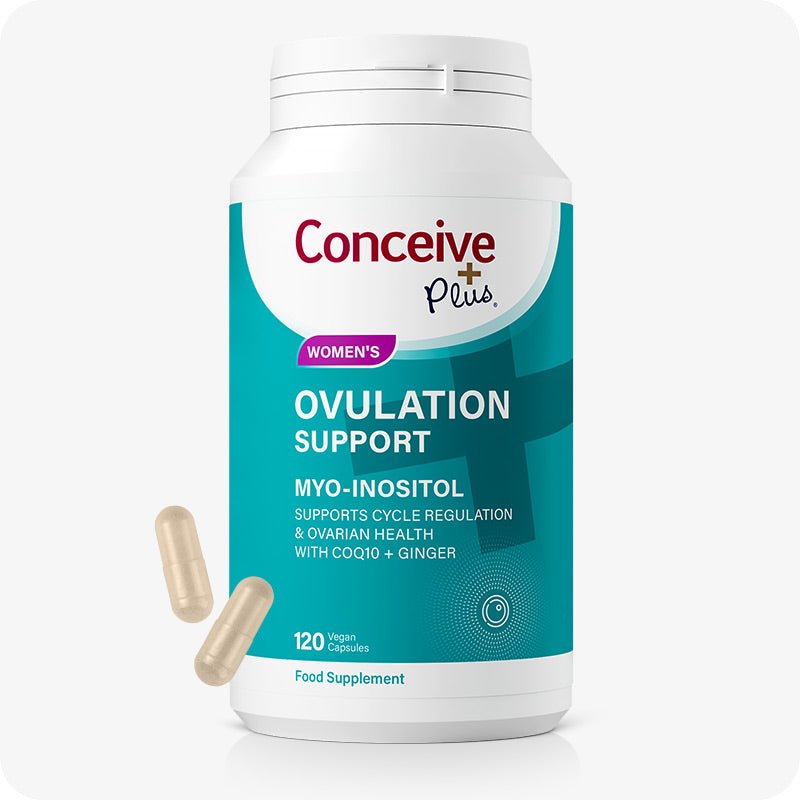
Our fertility supplements combine Myo-Inositol with essential vitamins to support healthy hormone balance and regular ovulation.
✓ Free shipping available | ✓ Trusted by millions of couples worldwide
Fertility problems and financial crisis?
The Austrian researchers studied fertility in 22 European countries between 2008 and 2011. Shockingly, in 15 of them fertility rates have been declining and this disturbing trend keeps on continuing.
“The European data shows a clear correlation between rising unemployment and declining birth rates,” says Tomas Sobotka.
Spain, being the emblematic case, shows the highest rate of unemployment in Europe with its over 26% unemployment rate. The Spanish suffered a decline in the number of births in 2009, a year after the deterioration of the labor market. Its fertility rate, after rising from 1.23 in 2000 to 1.46 in 2008, fell to 1.36 in 2011.
Two exceptions exist: Germany that never rose her fertility rate and France the fertility rate of which rose from 1.8 to 2 in ten years, despite the crisis, thanks to their generous family policy.
In Greece, the number of abortions has increased by 50% in 2011 to reach 300,000. In Portugal, the number of births fell from 2012 to 90,000, its lowest point in 60 years.
USA is following the same path.
Still, the future looks brighter as the world starts to wake up from the financial distress.
In our next post we are going to show you a couple of smart examples several countries used to motivate their citizens to become parents. In the meantime, for those of you who have already decided to support their local economy, we are here for you! - http://shop.conceiveplus.com/
🌱 Support Your Fertility Journey
Conceive Plus fertility supplements are clinically formulated to help regulate your cycle and support egg quality.
How does the cost of living crisis affect fertility rates in the UK?
Research shows a clear link between economic uncertainty and declining birth rates, with couples often delaying parenthood due to financial concerns. The UK has seen similar patterns to other European countries, where rising living costs and job insecurity lead many to postpone having children until they feel more financially stable.
Conceive Plus Ovulation Support — scientifically formulated for cycle health
Can I get fertility treatment on the NHS if I'm struggling to conceive due to financial reasons?
NHS fertility treatment eligibility varies by region, as each Integrated Care Board (ICB) sets its own criteria and funding limits. According to NICE guidelines, women under 40 who haven't conceived after two years of trying should be offered up to three cycles of IVF, though many areas don't fully fund this. It's worth noting that 1 in 7 UK couples experience fertility issues, so speak to your GP about what's available in your area.
What is the average age for having a baby in the UK now?
The average age for first-time mothers in the UK has risen to over 30, partly due to economic factors pushing people to establish careers and financial security first. This delay in parenthood mirrors trends across Europe, where economic uncertainty has contributed to an ageing population and declining birth rates.
Conceive Plus Women's Fertility — trusted by thousands of couples
How long are NHS fertility treatment waiting times in 2024?
NHS waiting times for fertility treatment can vary significantly depending on your ICB, with some couples waiting 12 months or longer just for initial consultations. The HFEA recommends contacting your local fertility clinic directly to get accurate waiting time information, and you can also ask your GP about the referral process in your area.
Is it worth delaying having a baby until we're more financially stable?
Whilst financial stability is important for raising children, it's worth considering that female fertility naturally declines after age 35, with a more significant drop after 40. The NHS recommends speaking with your GP if you're concerned about the right time to start trying to conceive, as they can help you weigh up personal circumstances against biological factors.
What support is available for UK couples who can't afford fertility treatment?
Beyond NHS-funded treatment, some fertility clinics offer payment plans or reduced-cost options for those struggling financially. Charities such as Fertility Network UK also provide support and information about funding options, whilst some employers now include fertility benefits as part of their healthcare packages.
Will the UK population decline like other European countries?
The UK's fertility rate currently sits around 1.6 children per woman, well below the 2.1 replacement level needed to maintain population without migration. Demographic experts suggest that without policy changes to support families financially, the UK may face similar challenges to countries like Spain and Greece, including workforce shortages and increased pressure on pension systems.
Trusted by Couples in Over 70 Countries
Take Control of Your Reproductive Health With PCOS
Living with PCOS presents unique challenges on the path to conception. Conceive Plus PCOS range is formulated with key nutrients to help support hormonal balance and a healthy cycle, empowering you on your fertility journey.