The Ultimate Diet for Trying to Conceive: Optimising Your Fertility in 2026


What if the most effective way to support your reproductive health wasn't found in a clinical waiting room, but within the choices you make at your local market? With global fertility rates reaching historic lows as of 2026, it's natural to feel a sense of urgency or even a loss of control over your path to parenthood. We understand the weight of the conflicting advice you've likely encountered. It's exhausting to balance age-related anxieties with a sea of "superfood" trends that often lack scientific grounding.
This guide cuts through the noise to provide a clear, evidence-based diet for trying to conceive that aligns with the latest 2026 dietary standards. You'll discover how specific micronutrients and whole foods biologically prime your body, improving egg and sperm quality from the inside out. We'll provide a definitive shopping list of fertility-boosting foods, explain the link between nutrition and cellular health, and show you how to regain a sense of agency in your journey. By focusing on the science of nourishment, you can create the optimal environment for life to begin.
Key Takeaways
- Understand the biological 90-day maturation cycle of eggs and sperm and why early dietary changes are essential for cellular quality.
- Discover the specific components of a diet for trying to conceive that balances blood sugar to regulate vital reproductive hormones like FSH and LH.
- Learn why male nutrition accounts for half of the conception equation and which dietary patterns directly influence sperm concentration and motility.
- Explore how your internal pH and hydration levels impact cervical mucus, creating a sperm-friendly window that supports survival and transit.
- Identify how to bridge nutritional gaps by integrating targeted fertility support supplements that work in synergy with your dietary efforts.
The Science of Pre-conception Nutrition: Why Diet Matters
Many people assume that fertility is a static state, yet it's actually a dynamic process heavily influenced by your internal environment. The journey toward a healthy pregnancy begins long before a positive test. It's rooted in the 90-day maturation cycle of both eggs and sperm. During this three-month window, the cells that will eventually form an embryo are highly sensitive to nutritional intake. A targeted diet for trying to conceive provides the essential raw materials required for DNA integrity and cellular energy during this critical period of development.
Blood sugar stability is perhaps the most vital lever you can pull to regulate your reproductive hormones. When you consume high-sugar foods or refined carbohydrates, your body releases insulin to manage the resulting glucose spike. Over time, frequent spikes can lead to insulin resistance, which directly disrupts the production of Follicle Stimulating Hormone (FSH) and Luteinising Hormone (LH). These hormones are the primary messengers that signal the ovaries to release an egg or the testes to produce healthy sperm. By focusing on low-glycemic, whole foods, you create a stable hormonal foundation that supports regular cycles and predictable ovulation.
Reproduction is a resource-intensive process, and your body will only prioritise it when it feels "safe." Chronic inflammation, often caused by highly processed diets or undiagnosed sensitivities, signals to the body that it's under stress. In this state, biological resources are diverted away from the reproductive system to manage the perceived threat. The Science of Pre-conception Nutrition demonstrates that reducing inflammatory markers through diet can significantly improve the receptivity of the uterine lining, making successful implantation more likely. This shift from standard healthy eating to a fertility-focused protocol is about moving your body out of "survival mode" and into a state of optimal readiness.
The Impact of Antioxidants on Reproductive Cells
Oxidative stress is a silent thief of fertility, capable of damaging the delicate DNA held within egg and sperm cells. Antioxidants act as your body's primary defence system against this damage. Nutrients like Vitamin C, Vitamin E, and CoQ10 neutralise free radicals that would otherwise lead to poor egg quality or sperm DNA fragmentation. Integrating these through a diverse diet for trying to conceive, alongside specialised fertility support, provides a protective shield for your future child's genetic blueprint.
Folate vs Folic Acid: The Genetic Nuance
Vitamin B9 is the cornerstone of early foetal development, specifically for DNA synthesis and the closure of the neural tube. While folate occurs naturally in leafy greens and legumes, it can be difficult to absorb enough through food alone. This is why the UK NHS recommends a daily intake of 400mcg of folic acid for at least three months before you start trying. Ensuring these levels are topped up early prevents developmental gaps that occur in the very first weeks of pregnancy, often before you even realise you've conceived.
Top Foods to Boost Female Fertility and Egg Quality
The "Fertility Diet" study, conducted by researchers at Harvard, remains one of the most comprehensive looks at how lifestyle impacts conception. It revealed that women who prioritised specific food groups saw a significant reduction in ovulatory infertility. One of the most striking findings was the benefit of shifting protein sources. By replacing just a small portion of animal protein with plant-based alternatives like beans, lentils, or nuts, you can significantly lower the risk of ovulation issues.
Full-fat dairy also plays a surprising role. While we're often told to choose low-fat options for general health, the Harvard research suggested that the process of removing fat from milk alters the balance of sex hormones. This can actually hinder ovulation. Including one serving of full-fat yoghurt or whole milk in your daily diet for trying to conceive can support a more favourable hormonal environment.
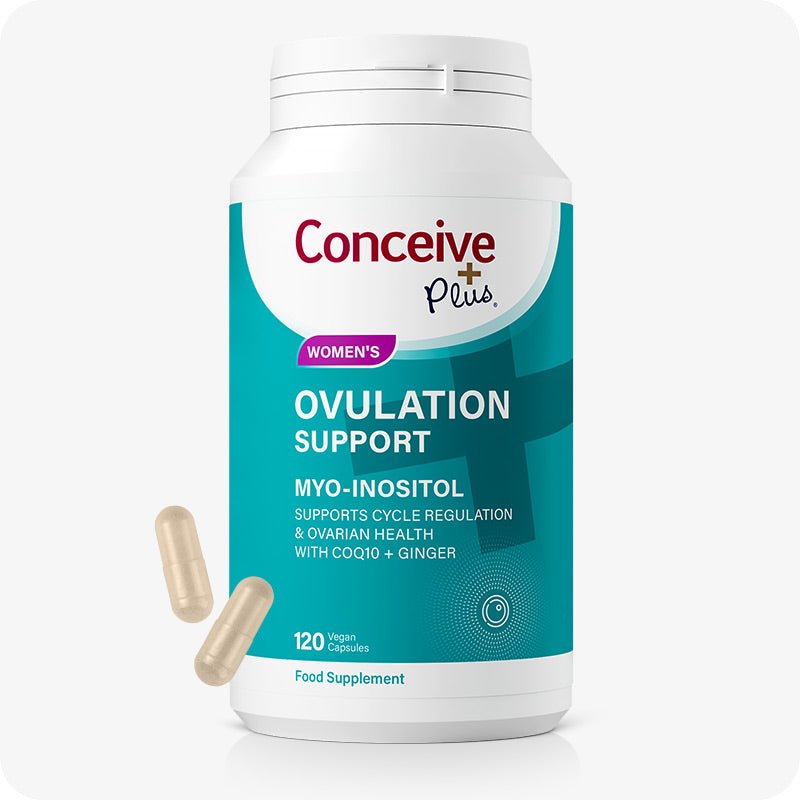
Iron is another critical factor. Low iron stores are common among women of reproductive age in the UK. This can lead to anaemia, which is linked to poor egg quality and a lack of ovulation. Lean red meat, spinach, and fortified cereals are excellent sources. To improve absorption, pair these with Vitamin C rich foods like citrus or peppers. Don't forget hydration; water is the primary component of cervical mucus. Staying well-hydrated ensures your body can produce the fluid necessary to help sperm reach the egg. For those managing specific cycle irregularities, integrating ovulation support can provide the targeted nutrients needed to complement these dietary shifts.
Complex Carbs and the Insulin Connection
High-glycemic (GI) foods like white bread and sugary snacks cause rapid insulin spikes. These spikes can disrupt the delicate balance of hormones required for egg maturation, particularly for those with PCOS. Focus on slow-release grains such as quinoa, jumbo oats, and brown rice. These complex carbohydrates provide steady energy and help maintain the stable insulin levels necessary for regular cycles.
Essential Fats: Omega-3 and Hormone Production
Healthy fats are the building blocks of hormones. Omega-3 fatty acids, found in mackerel, sardines, and walnuts, are particularly beneficial. They help regulate inflammation and improve blood flow to the reproductive organs. Conversely, try to eliminate trans-fats found in many processed snacks. These fats are pro-inflammatory and have been linked to an increased risk of ovulatory disorders. Focusing on unsaturated, anti-inflammatory fats provides the "good" cholesterol your body needs to synthesise oestrogen and progesterone.
Fueling Male Fertility: Nutrients for Sperm Health
Fertility is a shared journey, yet male health is frequently overlooked in the conversation. Since men contribute 50% of the genetic blueprint, their nutritional status is just as vital as their partner's. A diet for trying to conceive shouldn't be a solo endeavour. The Mediterranean diet, characterised by high intakes of monounsaturated fats, fish, and plant proteins, is widely considered the gold standard for male reproductive health. Studies indicate that men who adhere to these patterns show significant improvements in sperm concentration and motility compared to those consuming high levels of processed meats and refined grains.
Spermatogenesis, the process of producing new sperm, takes approximately 74 to 90 days. This means the choices made today will directly affect the quality of sperm three months from now. High levels of oxidative stress can lead to sperm DNA fragmentation, which refers to damage within the genetic material of the sperm head. By filling your plate with antioxidant-rich fruits and vegetables, you provide a biological shield against this damage. This proactive approach helps ensure that the sperm are not only numerous but also genetically robust. Focusing on these dietary shifts provides a sense of agency in a process that can often feel unpredictable.
Zinc and Selenium: The Power Minerals
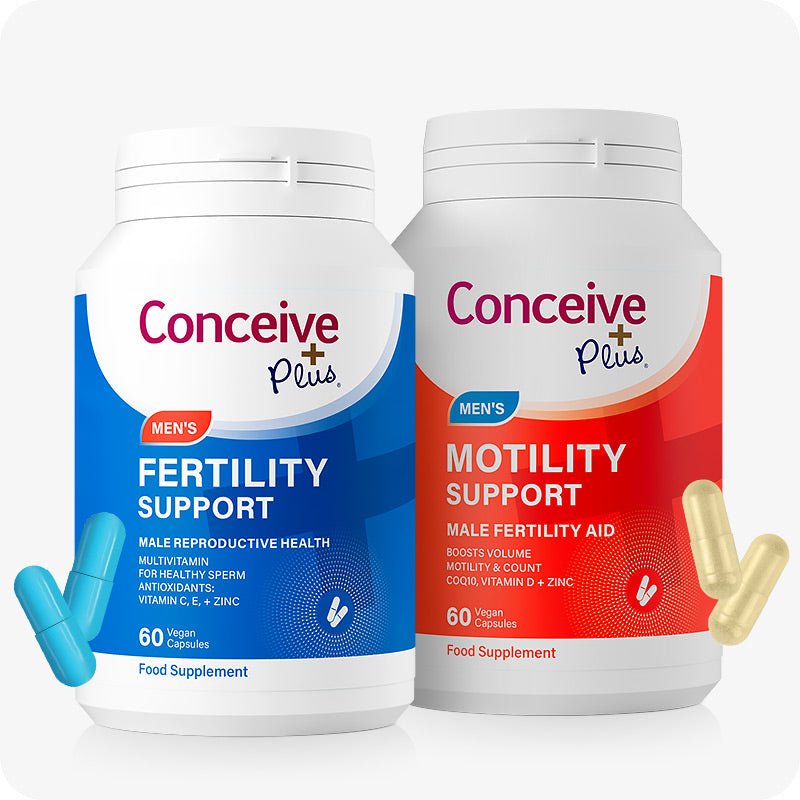
Zinc is often called the "fertility mineral" because it's a critical component of the sperm's outer membrane and tail. It's essential for maintaining healthy testosterone levels and overall sperm count. Selenium complements this by acting as a powerful antioxidant that protects the sperm from oxidative damage while they travel. You can find these minerals in pumpkin seeds, lean meats, and shellfish. Consuming just two Brazil nuts a day is often enough to meet your daily selenium requirements. Combining these dietary habits with Men's Fertility Support can help ensure all essential mineral bases are covered.
Lycopene and Sperm Motility
Lycopene is a potent carotenoid that gives tomatoes their red colour. Science suggests it's best absorbed when tomatoes are cooked or processed, such as in a sauce or paste, rather than eaten raw. This nutrient has been shown to improve the "swimming" ability, or motility, of sperm, which is vital for reaching the egg. Lycopene's antioxidant properties also support healthy sperm morphology by protecting the size and shape of individual cells from oxidative stress. Regular intake of cooked tomato products is a simple, effective way to integrate this powerful nutrient into your daily routine.
Optimising the Internal Environment: pH and Cervical Mucus
While the 90-day cycle focuses on cellular quality, the physical journey of the sperm requires an immediate, hospitable environment. During your fertile window, your body ideally produces "egg-white" cervical mucus (EWCM). This fluid is unique because it is alkaline, whereas the vaginal environment is typically acidic to protect against infection. This alkalinity is essential because sperm cannot survive in an acidic environment. A well-considered diet for trying to conceive focuses not just on nutrients for the cells themselves, but on supporting the production of this protective, fertile fluid. This fluid acts as a transport medium and a filter, allowing only the healthiest, most motile sperm to pass through while providing them with the energy needed for their journey.
Dehydration is perhaps the most common yet overlooked barrier to optimal cervical mucus volume. Without adequate water intake, the mucus can become too thick or "hostile," making it difficult for sperm to penetrate the cervix. Similarly, an overly acidic internal environment, often exacerbated by a high intake of processed sugars and meats, can hinder sperm survival. Supporting your body's natural pH balance through specific dietary choices can help widen this window of opportunity. If the pH is off by even a small margin, the sperm may lose their motility before they ever reach the fallopian tubes, which is why maintaining a "safe space" internally is so crucial.
Alkalising Foods and Hydration
The theory behind alkalising foods focuses on supporting the body's natural pH shifts during ovulation. Incorporating plenty of leafy greens, such as kale and spinach, alongside citrus fruits can help maintain an environment that supports fertile mucus. It is also wise to monitor your caffeine intake. Excessive caffeine can have a dehydrating effect on reproductive tissues, potentially reducing the quality and quantity of the fluid your body produces during your most fertile days. Staying hydrated is the simplest, most effective rule for fluid production.
The Role of pH-Balanced Aids
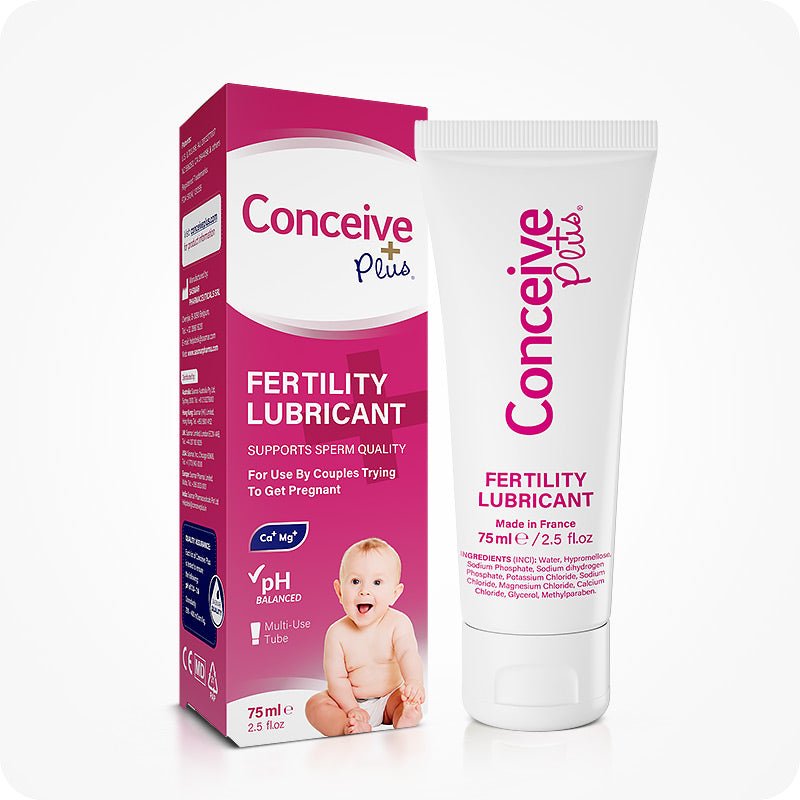
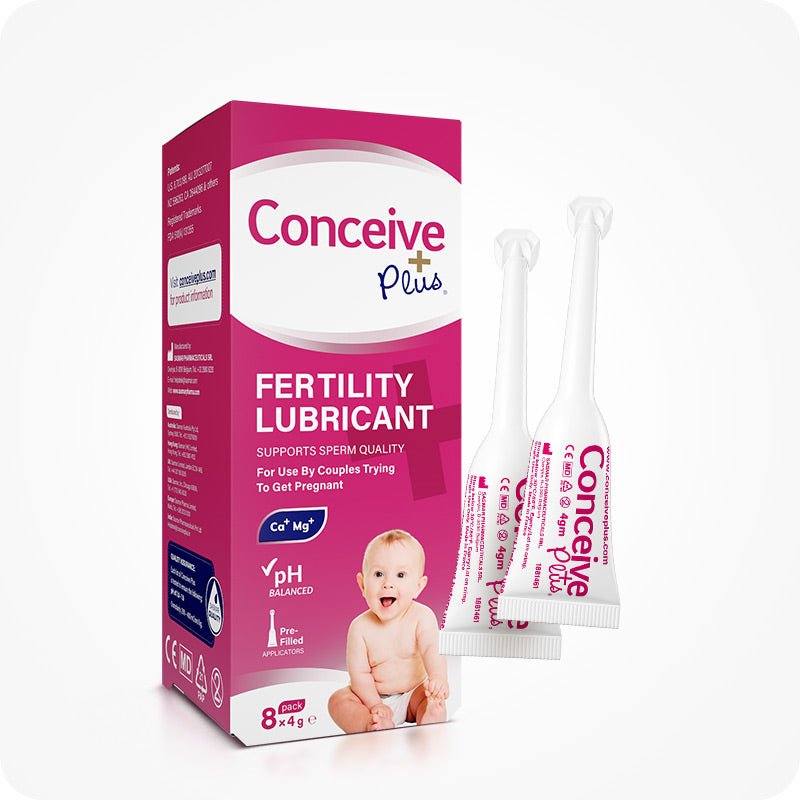
There are times when even a perfectly balanced diet for trying to conceive needs additional support. Factors such as stress, age, or certain medications can lead to vaginal dryness or a pH imbalance that is less than ideal for conception. In these instances, using sperm-friendly lubricants can bridge the gap. These aids are scientifically formulated to mimic the pH and electrolyte balance of natural fertile mucus, providing a safe path for sperm to travel toward the egg. For a convenient way to support your internal environment, consider using Conceive Plus UK pre-filled applicators during your fertile window.
Beyond the Plate: Integrating Supplements and Support
While a nutrient-dense plate provides the foundation, modern lifestyles and individual biological differences often mean that food alone cannot meet every preconception requirement. Soil depletion and the demands of 21st-century stress can leave gaps in even the most diligent diet for trying to conceive. Supplements shouldn't be viewed as a replacement for whole foods. Instead, they act as a targeted insurance policy. This synergy ensures that your body has a surplus of the specific micronutrients required to support the delicate processes of oogenesis and spermatogenesis.
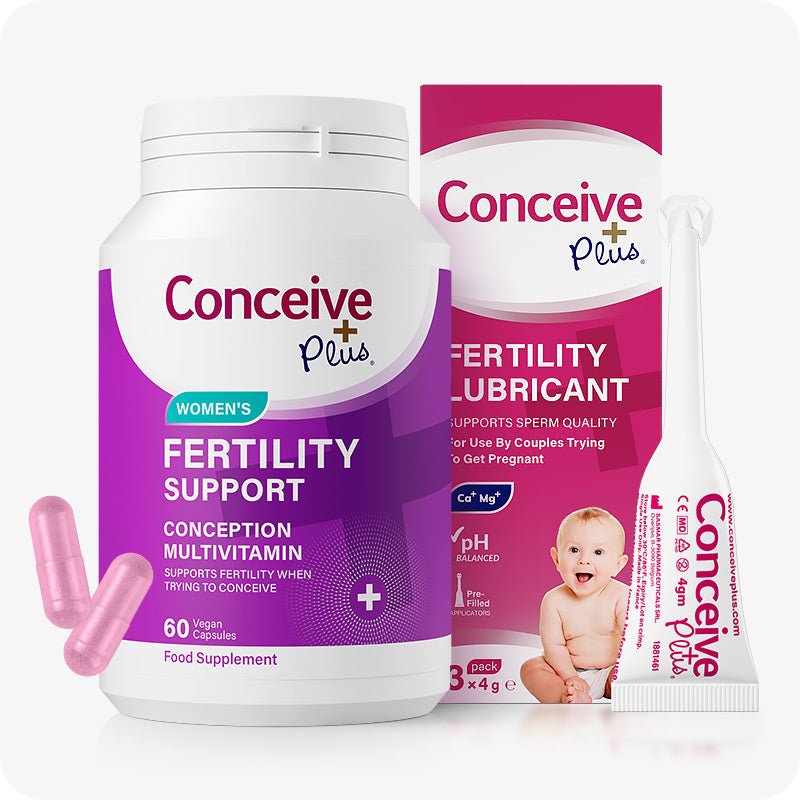
Selecting the right support requires a discerning eye. It's vital to choose formulations that are free from artificial fillers or harsh chemicals that could potentially disrupt your endocrine system. We believe in a partnership approach to fertility. Creating a "His and Hers" routine isn't just about biological optimisation; it's about shared accountability. When both partners commit to a daily protocol, it fosters a sense of unity and reduces the emotional burden often carried by one person in the TTC journey. This shared commitment can make the process feel less like a clinical task and more like a collaborative step toward your future family.
To complement these lifestyle changes with professional, evidence-based guidance, you can visit ah! fertility nutrition for specialized nutritional therapy that focuses on optimizing reproductive health.
Targeted Support for Specific Needs
For many, general prenatal vitamins are only the first step. If you are managing irregular cycles or PCOS, Myo-Inositol can be a transformative addition to support insulin sensitivity and regular ovulation. Similarly, addressing male factors is essential for a successful outcome. Integrating Motility Support helps provide the specific antioxidants needed to protect sperm during their development. Remember the 90-day maturation cycle. It takes approximately three months for these nutritional changes to manifest in the quality of new eggs and sperm. Consistency is your greatest ally.
Practical Next Steps for Your Journey
Knowledge is power when you're trying to conceive. Using an ovulation calculator allows you to align your nutrition and intimacy with your body's natural rhythms. This precision reduces guesswork and helps you feel more in control of the process. As you move forward, having reliable pregnancy tests on hand ensures you have clear, accurate answers when they matter most. Your diet is the bedrock of your fertility, but a comprehensive approach that combines nutrition, targeted support, and accurate tracking is the key to a confident and empowered journey.
Taking the Next Step in Your Conception Journey
The transition from feeling overwhelmed by conflicting advice to having a clear, actionable plan is a significant milestone in your journey. By integrating the specific nutrients and lifestyle shifts discussed, from metabolic stability to mineral support, you are actively shaping a receptive environment for life to begin. A consistent diet for trying to conceive provides the biological stability your body needs to prioritise reproductive health, ensuring that every cell is primed for the journey ahead.
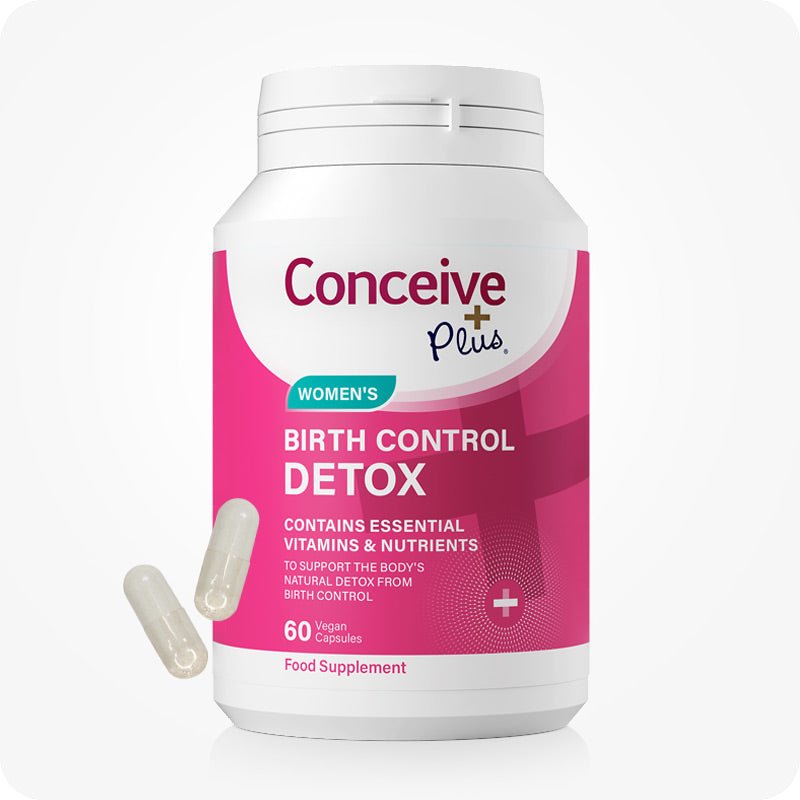
While whole foods are your bedrock, targeted tools can provide the final layer of reassurance. Optimise your journey with our Conceive Plus UK Fertility Starter Kit, featuring a patented formula developed by Harvard doctors. Trusted by millions of couples worldwide since 2008, our range is clinically proven to be sperm-friendly and pH balanced to mimic natural fertile fluids. You have the knowledge and the tools to move forward with quiet confidence, knowing you are doing everything possible to welcome your future child.
Frequently Asked Questions
Can certain foods really increase my chances of getting pregnant?
Yes, specific nutrients biologically prime your body for conception by improving egg quality and hormonal balance. A diet for trying to conceive focuses on reducing internal inflammation and providing the cellular energy required for healthy ovulation and successful implantation. Replacing refined carbohydrates with complex, whole grains helps maintain the hormonal stability necessary for a regular and predictable cycle.
How long should I follow a fertility diet before I see results?
You should aim to maintain these dietary changes for at least 90 days. This three-month window is the time it takes for an egg to mature before ovulation and for a new cycle of sperm to be produced. While improvements to your blood sugar and energy levels may occur sooner, the biological quality of your reproductive cells reflects the nourishment provided over the previous quarter.
Are there any foods I should strictly avoid when trying to conceive?
You should strictly avoid trans-fats and high-mercury fish, such as shark, swordfish, or marlin. Trans-fats are often found in processed baked goods and are strongly linked to an increased risk of ovulatory disorders. It is also wise to limit refined sugars and highly processed meats, as these can cause oxidative stress and hormonal fluctuations that may hinder your progress.
Do I still need to take a prenatal vitamin if I eat a balanced diet?
Yes, because certain critical nutrients are difficult to obtain in sufficient quantities from food alone. The UK NHS recommends a daily 400mcg folic acid supplement to prevent neural tube defects, alongside Vitamin D. Even with a nutrient-dense diet for trying to conceive, consistent supplementation ensures you meet these essential thresholds well before a pregnancy begins.
Does caffeine affect my fertility or my partner’s sperm count?
High caffeine consumption can impact reproductive outcomes for both partners. For women, excessive intake is associated with a longer time to conceive, while for men, it may affect sperm concentration. It's generally recommended to limit caffeine to 200mg per day, which is approximately two mugs of instant coffee, to maintain an optimal environment for conception.
What is the best diet for someone trying to conceive with PCOS?
A low-glycemic index (GI) diet is the most effective approach for managing fertility when living with PCOS. Focus on high-fibre foods like lentils, beans, and jumbo oats to keep insulin levels stable. This prevents the insulin spikes that can trigger excess testosterone production, which often interferes with regular ovulation and egg maturation.
Can my partner’s diet really impact our ability to conceive?
Your partner's nutritional status is responsible for half of the genetic equation. Poor dietary habits can lead to low sperm count, reduced motility, and increased DNA fragmentation. Encouraging your partner to increase their intake of zinc-rich foods and antioxidants protects the genetic integrity of the sperm and significantly improves the likelihood of a healthy pregnancy.
Is full-fat dairy better than low-fat when trying to get pregnant?
Research suggests that full-fat dairy is more beneficial for supporting regular ovulation than low-fat alternatives. The process used to remove fat from milk can alter the balance of sex hormones, potentially interfering with your natural cycle. Including one portion of full-fat yoghurt or whole milk in your daily routine provides the fats necessary for healthy hormone synthesis.
Trusted by Couples in Over 70 Countries
Support Male Fertility From the Inside Out
Male fertility is just as important as female fertility in the conception journey. Conceive Plus Men's range delivers targeted nutritional support to promote healthy sperm and overall reproductive wellbeing.
Shop Men's Range →