Tips for Women Who Want to Become Pregnant
Frequently Asked Questions
Recommended by Fertility Experts
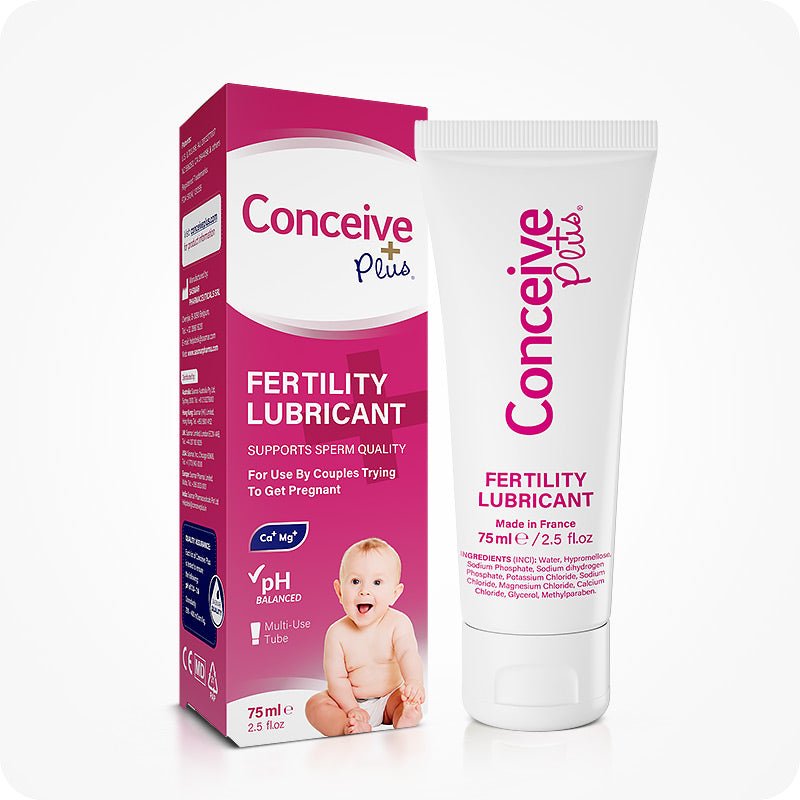
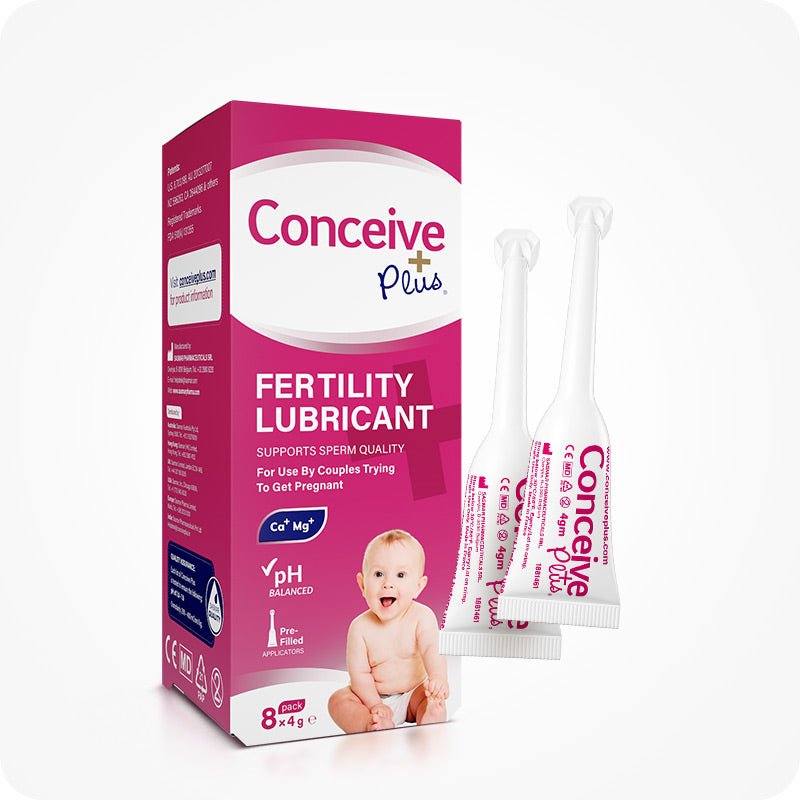
Conceive Plus Fertility Lubricant
Specially formulated to be sperm-friendly and isotonic, supporting your natural conception journey without disrupting the reproductive environment.
Shop Now →How long should we try to conceive naturally before seeking help from the NHS?
The NHS recommends seeking medical advice after one year of regular unprotected intercourse if you're under 35, or after six months if you're 35 or over. However, if you have known fertility concerns or health conditions affecting fertility, you can request a referral to your GP earlier. Your GP can then refer you to an NHS fertility clinic for investigations and treatment options.
What is the recommended daily folic acid dose when trying to get pregnant in the UK?
The NHS advises women who are trying to conceive to take 400 micrograms of folic acid daily, starting before conception and continuing through the first 12 weeks of pregnancy. If you have a family history of neural tube defects or are taking certain medications, your GP may recommend a higher dose of 5mg daily.
Are fertility treatments available on the NHS in the UK?
Yes, NHS-funded fertility treatments are available, though eligibility criteria and the number of funded cycles vary by region and local Clinical Commissioning Groups (CCGs). Most areas offer one or more cycles of IVF treatment, and you can check your local CCG's fertility policy on their website or through your GP.
What lifestyle changes can improve fertility before trying to conceive?
Key lifestyle improvements include maintaining a healthy BMI (between 18.5 and 24.9), quitting smoking, reducing alcohol consumption, managing stress, and eating a balanced diet rich in vitamins and minerals. Regular moderate exercise and avoiding excessive caffeine can also support fertility in both men and women.
How can I track my ovulation to maximise chances of conception?
You can track ovulation through methods such as monitoring your basal body temperature, observing changes in cervical mucus, using ovulation predictor kits (available at Boots and other pharmacies), or using fertility apps like Fertility Friend. For the most accurate results, aim to have intercourse during your fertile window—the five days before ovulation and the day of ovulation itself.
Should my partner have any health checks before we start trying to conceive?
Yes, your partner should see their GP for a general health check and discuss any medical conditions, medications, or lifestyle factors that could affect fertility. If conception doesn't occur after one year (or six months if you're over 35), your partner may be referred for semen analysis and other investigations at an NHS fertility clinic.
What should I avoid when trying to get pregnant?
You should avoid smoking, recreational drugs, and excessive alcohol consumption, as these can reduce fertility in both partners. It's also important to avoid unpasteurised dairy products, undercooked meats, and high levels of caffeine (the NHS recommends limiting to 200mg daily), and to be cautious with certain medications—discuss any concerns with your GP.
Trusted by Couples in Over 70 Countries
Start Your Fertility Journey With the Right Support
Conceive Plus Fertility Lubricant is specially formulated to be compatible with sperm, eggs, and embryos. Whether you are just starting out or have been trying for a while, our products are designed to work with your body — not against it.
Explore Fertility Lubricant →