Tips On Getting Pregnant
Frequently Asked Questions
Recommended by Fertility Experts
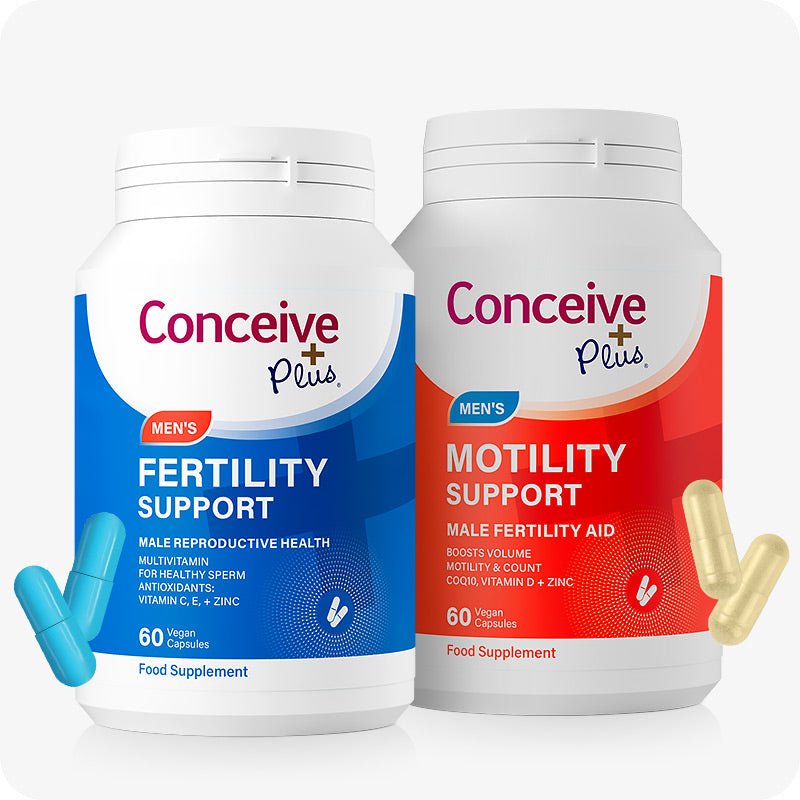
Conceive Plus Men's Fertility Support
Designed to support healthy sperm production, motility, and overall male reproductive health with clinically studied nutrients.
Shop Now →How long should we try to conceive before seeing a GP?
The NHS recommends seeing your GP if you've been trying to conceive for 12 months without success, or after 6 months if you're over 35. Around 1 in 7 UK couples experience fertility issues, so don't hesitate to seek help if you're concerned about your fertility journey.
What are the best days to try for a baby?
Your most fertile window is typically the 5 days leading up to ovulation and the day of ovulation itself. This is usually around days 10-16 of a 28-day cycle, though this varies between individuals. Using ovulation tests or tracking your cycle can help you identify your most fertile days.
Does the NHS offer free fertility treatment?
NHS funding for fertility treatment varies significantly depending on your Integrated Care Board (ICB), formerly known as CCGs. NICE guidelines recommend that women under 40 should be offered 3 cycles of IVF, but local funding criteria and waiting times differ across the UK. Contact your GP to understand what's available in your area.
Can lifestyle changes really improve my chances of getting pregnant?
Yes, both partners can boost fertility through lifestyle adjustments. The NHS recommends maintaining a healthy weight, reducing alcohol intake, stopping smoking, and taking folic acid supplements at least 3 months before trying to conceive. These changes can genuinely improve your chances of conception and support a healthy pregnancy.
How can my partner improve his sperm quality?
Male fertility can be improved by maintaining a healthy BMI, wearing loose-fitting underwear, avoiding excessive alcohol, and stopping smoking. The NHS also suggests avoiding hot baths and keeping laptops off the lap. Sperm takes around 3 months to develop, so lifestyle changes should ideally begin well before you start trying.
What fertility supplements should I take when TTC?
The NHS recommends all women trying to conceive take 400 micrograms of folic acid daily to help prevent neural tube defects. Vitamin D is also advised, particularly during autumn and winter months. For additional support, fertility-friendly supplements containing zinc, selenium, and CoQ10 may help support reproductive health for both partners.
When should I be referred to a fertility specialist?
Your GP should refer you to a fertility specialist after appropriate initial investigations, typically following 12 months of trying to conceive. If you have known conditions affecting fertility, such as PCOS or endometriosis, or if you're over 36, earlier referral may be appropriate according to NICE guidelines. Don't be afraid to advocate for yourself if you feel a referral is needed.
Trusted by Couples in Over 70 Countries
Support Male Fertility From the Inside Out
Male fertility is just as important as female fertility in the conception journey. Conceive Plus Men's range delivers targeted nutritional support to promote healthy sperm and overall reproductive wellbeing.
Shop Men's Range →