Age and Fertility: What Every Couple Should Know About Timing, Biology, and Your Options


Age and Fertility: What Every Couple Should Know About Timing, Biology, and Your Options
For many couples, the decision to start a family is one of life's most significant milestones — and one that often comes after years of building careers, relationships, and financial security. But while life has a way of unfolding on its own timeline, biology operates on a rather different schedule. Age is one of the most important — and frequently underestimated — factors affecting fertility for both men and women.
Understanding how age influences reproductive health isn't about creating fear or rushing decisions. Rather, it's about giving you the knowledge to make informed choices, seek help at the right time, and take a proactive approach to your fertility. Whether you're in your late twenties, mid-thirties, or early forties, this guide will walk you through the science of age-related fertility changes, what the statistics actually mean for real people, and the options available to you.
How Age Affects Female Fertility: The Biological Basics
A woman is born with all the eggs she will ever have — approximately one to two million at birth. By puberty, this number has already declined to around 300,000 to 500,000, and throughout a woman's reproductive life, eggs continue to diminish in both quantity and quality. This natural process, known as ovarian ageing, is the primary reason age has such a significant impact on female fertility.
In practical terms, a woman in her early twenties has both a large egg reserve and eggs of generally high chromosomal quality. By the mid-thirties, the rate of decline accelerates noticeably. By the early forties, the number of viable eggs remaining is substantially reduced, and the proportion of chromosomally abnormal eggs has increased considerably.
Research published in Human Reproduction found that women in their early thirties (aged 30–32) had a natural monthly conception rate of approximately 20%, compared to around 5% for women in their early forties. This sharp decline doesn't mean pregnancy is impossible — it means that it may take longer, require more attempts, and may benefit from additional support.
The decline in egg quality is particularly important to understand. As eggs age, they are more likely to carry chromosomal abnormalities — errors in the number or structure of chromosomes. These abnormalities are a leading cause of miscarriage and failed implantation, which is why women over 35 experience higher rates of pregnancy loss compared to younger women. Studies suggest that by age 40, as many as 50–80% of a woman's eggs may be chromosomally abnormal.
Beyond egg quality, age also affects other aspects of reproductive function, including the regularity and predictability of ovulation, endometrial receptivity (how well the uterine lining accepts an embryo), and hormonal balance throughout the cycle.
AMH Levels and Ovarian Reserve: Understanding Your Fertility Markers
One of the most clinically useful tools for assessing female fertility is the measurement of Anti-Müllerian Hormone (AMH). Produced by the small follicles in the ovaries, AMH gives a reliable indication of ovarian reserve — essentially, how many eggs a woman has remaining. Unlike many other hormonal markers, AMH remains relatively stable throughout the menstrual cycle, making it a convenient test that can be taken at any time of the month.
AMH levels naturally decline with age. The following gives a general indication of what fertility specialists consider typical ranges:
- Under 30: AMH levels are generally at their highest, typically above 2.0 ng/mL (or 14.3 pmol/L in UK labs)
- Age 30–35: Levels begin a gradual decline; 1.5–2.5 ng/mL is commonly seen
- Age 35–40: Decline becomes more noticeable; levels often fall to 0.7–1.5 ng/mL
- Over 40: AMH may fall below 0.7 ng/mL, with some women having levels near or at zero
It's important to note that AMH does not measure egg quality — only quantity. A woman with a low AMH may still have high-quality eggs, particularly if she is younger. Conversely, a woman with a higher AMH may have eggs of poorer quality if she is in her mid-forties. The clinical picture is always multifaceted, and AMH should be interpreted alongside age, antral follicle count (assessed by ultrasound), and other clinical factors.
Another key marker is Follicle-Stimulating Hormone (FSH), measured on day 2 or 3 of the menstrual cycle. Rising FSH levels can indicate that the pituitary gland is working harder to stimulate ovarian response, a sign that the ovaries are becoming less responsive. High day-3 FSH (generally above 10 IU/L) may indicate diminished ovarian reserve.
If you're over 35 and actively trying to conceive, asking your GP for an AMH blood test and a day-2/3 FSH test is a reasonable starting point for understanding your current fertility status. These tests are widely available through NHS referrals or private fertility clinics.
Nutritional Support for Every Stage of Your Fertility Journey
Whether you're in your late twenties or early forties, the right nutritional support matters. Conceive Plus Prenatal Essential Nutrients provides comprehensive support with folate, choline, DHA, and essential vitamins designed for women planning pregnancy.
Explore Prenatal Essential Nutrients →Age and Male Fertility: What Men Need to Know
The conversation around age and fertility has historically focused almost exclusively on women, but male fertility is also affected by age — and this is far less commonly discussed. While it's true that men produce new sperm throughout their lives (unlike women, who are born with a fixed egg supply), sperm quality and quantity do decline with age in ways that have real reproductive consequences.
Research has consistently shown that as men age, several key sperm parameters begin to decline:
- Sperm motility (the ability to swim effectively) decreases with age, with a notable decline observed after 45
- Sperm morphology (the proportion of normally shaped sperm) also deteriorates
- DNA fragmentation in sperm increases with age, which can impair fertilisation and embryo development even when other parameters appear normal
- Semen volume and overall sperm count may also decline in older men
A landmark study published in the journal Fertility and Sterility found that men over the age of 45 were associated with significantly longer time to conception compared to men under 25, even when controlling for the female partner's age. Furthermore, advanced paternal age has been linked to increased risk of miscarriage, as well as a small but measurable increase in certain neurodevelopmental conditions in offspring, including autism spectrum disorder and schizophrenia.
Importantly, DNA fragmentation in sperm is not visible in a standard semen analysis. This is why a normal semen analysis doesn't always tell the complete story for older men. If you are a man over 40 attempting to conceive, it may be worth discussing DNA fragmentation testing with a fertility specialist, particularly if you have experienced recurrent pregnancy loss.
The positive news for men is that lifestyle interventions — including improved diet, regular moderate exercise, reducing alcohol intake, not smoking, and avoiding heat to the testes (such as from hot baths or laptops) — can have a meaningful impact on sperm quality at any age. Antioxidant supplementation has also been shown in some studies to reduce sperm DNA damage.
Age-Related Fertility Decline: What the Statistics Really Mean
Statistics on fertility decline by age can feel alarming if taken at face value. But it's important to understand what these numbers actually mean — and what they don't mean — for an individual couple.
When fertility researchers discuss age-related decline, they are working with population-level data. This means that the statistics reflect averages across large groups of people. An individual woman's fertility may be higher or lower than the average for her age group, depending on her personal health, genetics, lifestyle, and underlying reproductive conditions.
That said, the trends are clear and worth understanding:
- Ages 20–24: Average monthly fecundity rate (chance of conceiving per cycle) is approximately 25–30%
- Ages 25–29: Similar to early twenties; fertility is generally at or near its peak
- Ages 30–34: A gradual, modest decline begins; most women in this group conceive naturally within 12 months
- Ages 35–39: Decline becomes more significant; the proportion of women taking more than 12 months to conceive increases markedly
- Ages 40–44: Fertility is substantially reduced; monthly conception rates may be as low as 5–10%
- Over 44: Natural conception remains possible but becomes uncommon; egg donation is often recommended by fertility clinics
In the UK, data from the Human Fertilisation and Embryology Authority (HFEA) consistently shows that IVF success rates — discussed in more detail below — mirror these natural fertility trends. The decline is gradual in the early thirties, then accelerates more sharply after 37–38.
It's also worth noting that the risk of pregnancy complications — including gestational diabetes, pre-eclampsia, and chromosomal conditions such as Down's syndrome — increases with maternal age. This doesn't mean older mothers cannot have healthy pregnancies; many do. But it does mean that antenatal care becomes particularly important, and that early prenatal screening is recommended.
For the vast majority of women in their early to mid-thirties, natural conception remains achievable. The statistics are most sobering for women approaching or over 40, where professional fertility support may genuinely improve outcomes.
How Age Affects IVF Success Rates
For couples who pursue assisted reproduction, understanding how age affects IVF success is essential for setting realistic expectations. The HFEA publishes annual data on IVF outcomes in the UK, and the picture is consistent year after year: age is the single biggest predictor of IVF success.
Using a patient's own eggs, live birth rates per embryo transfer cycle are approximately:
- Under 35: 32–35%
- 35–37: 25–28%
- 38–39: 18–21%
- 40–42: 10–14%
- 43–44: 5–8%
- Over 44: Under 3%
These figures highlight why age-related fertility planning matters so much. A woman who might have a 30% chance of success with IVF at 33 may have only a 10% chance at 41 — with the same number of cycles, this represents a threefold difference in likelihood of achieving a live birth.
The primary driver of these declining success rates is egg quality. As discussed earlier, older eggs are more likely to be chromosomally abnormal, leading to failed fertilisation, poor-quality embryos, failed implantation, or early miscarriage. Preimplantation genetic testing for aneuploidies (PGT-A) — which screens embryos for chromosomal abnormalities before transfer — is increasingly used in IVF cycles for women over 37 to improve the chances of transferring a chromosomally normal embryo. However, PGT-A adds cost and complexity to the process, and its benefits in certain age groups remain a subject of ongoing clinical debate.
One important point of hope: when older women use donor eggs (eggs from a younger donor), success rates improve dramatically. HFEA data shows that IVF with donor eggs typically achieves live birth rates of 25–35%, relatively independent of the recipient's age. This reflects the fact that uterine receptivity is less age-sensitive than egg quality — in other words, an older woman's womb is often still capable of sustaining a pregnancy; it is primarily the eggs that are the limiting factor.
Fertility Preservation: Freezing Eggs and Embryos
One of the most significant advances in reproductive medicine in recent years has been the widespread availability of fertility preservation — specifically, egg freezing (oocyte cryopreservation) and embryo freezing. These technologies allow individuals and couples to store eggs or embryos for future use, effectively "pausing" the biological clock at the point of collection.
Egg freezing has become increasingly popular among women who wish to delay childbearing for personal or professional reasons, as well as those who face medical treatments (such as chemotherapy) that may compromise future fertility. In the UK, the legal storage limit for frozen eggs and embryos was extended to 55 years in 2022, providing greater flexibility for those who freeze at a younger age.
The success of egg freezing is strongly age-dependent. Eggs frozen before the age of 35 tend to have significantly better survival rates after thawing, higher fertilisation rates, and better embryo development compared to those frozen at 38 or older. Fertility specialists generally advise that if egg freezing is being considered as a precautionary measure, the earlier it is done, the better the outcome is likely to be.
Typical guidance from UK fertility clinics suggests:
- Under 35: Ideal age for egg freezing for future use; eggs are of highest quality
- 35–37: Still a good candidate; success rates remain reasonable but begin to decline
- 38–40: Freezing may still be worthwhile, but more cycles may be needed to obtain sufficient eggs
- Over 40: Success rates from frozen eggs decline significantly; alternatives such as donor eggs may be discussed
For couples who are certain they wish to have children together in the future but are not ready now, embryo freezing (where eggs are fertilised before freezing) generally results in higher survival rates than egg freezing alone, as embryos are more resilient to the freezing and thawing process.
It's worth noting that NHS funding for fertility preservation is limited and primarily available for medical reasons (e.g., cancer treatment). Social egg freezing is typically funded privately, with costs in the UK ranging from approximately £3,000–£5,000 per cycle, plus annual storage fees.
When to Seek Help: Age-Specific Guidance
One of the most actionable aspects of understanding age and fertility is knowing when to seek professional help — and not waiting too long to do so. In the UK, NICE (National Institute for Health and Care Excellence) guidelines provide clear recommendations based on age:
- Under 35: Seek advice if you have not conceived after 12 months of regular, unprotected intercourse
- 35–39: Seek advice after 6 months of trying — time is more precious, and earlier investigation is prudent
- 40 and over: Seek referral immediately, without waiting a set period, as options narrow with each passing month
These timelines apply to couples with no known fertility issues. If either partner has a known condition — such as polycystic ovary syndrome (PCOS), endometriosis, irregular periods, previous pelvic infections, or a history of undescended testes — earlier investigation is recommended regardless of age.
In practical terms, many GPs in England will refer couples for initial fertility investigations after six months of trying, particularly if the woman is over 35. Initial tests typically include:
- Blood tests to check hormone levels (FSH, LH, AMH, prolactin, thyroid function)
- A mid-luteal progesterone test (around day 21 of a 28-day cycle) to confirm ovulation
- A semen analysis for the male partner
- Pelvic ultrasound to assess ovarian reserve and uterine structure
- A hysterosalpingogram (HSG) or saline sonogram to check fallopian tube patency if indicated
Starting this process sooner rather than later gives couples — and their medical teams — more time and more options. If investigations reveal an issue, early detection means earlier intervention. If everything appears normal, that's reassuring information that allows couples to continue trying with greater confidence.
Lifestyle and Nutritional Factors That Support Fertility at Any Age
While the biological effects of age on fertility cannot be reversed, there is compelling evidence that certain lifestyle and nutritional interventions can support reproductive health and potentially improve outcomes — particularly when adopted proactively.
Diet and Nutrition
A diet rich in antioxidants, vitamins, and minerals helps protect reproductive cells from oxidative stress — one of the mechanisms thought to contribute to age-related decline in egg and sperm quality. Key nutrients for fertility include:
- Folate (or folic acid): Essential for DNA synthesis and cell division; reduces the risk of neural tube defects. Women are advised to take 400 micrograms daily when trying to conceive
- Choline: An essential nutrient for fetal brain development, increasingly recognised as critical during preconception and early pregnancy
- DHA (docosahexaenoic acid): An omega-3 fatty acid important for egg quality, sperm function, and fetal neurological development
- Vitamin D: Emerging research suggests adequate vitamin D levels may support implantation and pregnancy maintenance
- CoQ10 (coenzyme Q10): An antioxidant that plays a role in energy production within cells; some studies suggest it may support egg quality in older women
- Zinc and selenium: Important for sperm quality and male reproductive health
Weight and BMI
Both underweight and overweight status can negatively affect fertility in women through hormonal disruption of the menstrual cycle and ovulation. For men, excess body weight is associated with lower testosterone levels and poorer sperm parameters. Maintaining a healthy weight — ideally a BMI between 18.5 and 24.9 — supports optimal reproductive hormone balance for both partners.
Exercise
Regular moderate exercise supports healthy weight, reduces stress, and improves metabolic health — all of which are beneficial for fertility. However, extremely intense exercise (particularly in women who engage in high-level athletic training) can suppress ovulation, so moderation is key.
Smoking and Alcohol
Smoking is one of the most clearly established lifestyle factors that accelerates ovarian ageing and reduces egg quality. Research suggests that smoking can advance menopause by 1–4 years and significantly worsens IVF outcomes. For men, smoking impairs sperm motility, morphology, and DNA integrity. Cessation of smoking is strongly recommended for both partners when trying to conceive.
Alcohol consumption, even at moderate levels, has been associated with reduced fertility in both men and women. UK fertility guidelines recommend avoiding alcohol entirely when trying to conceive and during pregnancy.
Stress Management
While stress alone is unlikely to be the sole cause of infertility, chronic psychological stress can disrupt hormonal balance and affect the regularity of the menstrual cycle. Approaches such as mindfulness, yoga, counselling, and acupuncture are used by many people trying to conceive as part of a holistic approach to fertility support, though evidence for their direct impact on pregnancy rates remains mixed.
Options for Older Couples: A Realistic Overview
For couples in their late thirties or forties, understanding the full range of options available in the UK helps ensure that no avenue is overlooked. The reproductive medicine landscape has evolved considerably, and there are more pathways to parenthood than ever before.
Natural Conception
Even in the early forties, natural conception is possible and does occur. For couples who have been trying for a shorter period and whose investigations show no specific cause of infertility, continuing to try naturally while pursuing any recommended lifestyle modifications remains a valid approach — ideally alongside medical monitoring.
IUI (Intrauterine Insemination)
IUI involves placing prepared sperm directly into the uterus around the time of ovulation. It is a relatively low-intervention, lower-cost procedure that may be recommended before moving to IVF, particularly in cases where the female partner is younger or where there are mild male factor issues. Success rates are lower than IVF, and IUI is generally considered less suitable for women over 40 with diminished ovarian reserve.
IVF (In Vitro Fertilisation)
IVF remains the most widely used assisted reproductive technology in the UK. For older women, particularly those with diminished ovarian reserve, IVF with their own eggs gives the medical team the best opportunity to identify viable embryos and optimise the timing and conditions of embryo transfer. Multiple cycles may be needed, and success rates — as discussed above — are lower in older age groups.
IVF with Donor Eggs
When a woman's own egg quality or quantity is severely compromised, donor egg IVF offers a realistic path to pregnancy. As noted earlier, success rates are substantially higher with donor eggs than with a patient's own eggs in the over-40 age group. In the UK, egg donors must be aged 18–35, and all donors are screened for medical and genetic conditions. The HFEA regulates all donor egg treatment in the UK.
Embryo Adoption
Couples who have completed their own families through IVF sometimes choose to donate unused embryos to other couples. Embryo adoption (or embryo donation) is a less commonly used option but offers a pathway to pregnancy for couples who cannot use their own eggs and sperm.
Surrogacy
Where carrying a pregnancy is not possible or safe, surrogacy — using either a gestational surrogate (who carries the couple's embryo) or a traditional surrogate — may be considered. Surrogacy arrangements in the UK are governed by specific legal frameworks and require careful navigation.
Adoption and Foster Care
For couples who are unable to conceive or carry a pregnancy, adoption and foster care offer meaningful pathways to parenthood. These routes involve separate processes and considerations, including assessments by local authorities or adoption agencies.
Frequently Asked Questions About Age and Fertility
At what age does female fertility begin to decline?
Fertility begins a gradual decline from the mid-twenties, but the decline becomes more pronounced from around age 32–33, and accelerates more significantly after 35. The sharpest decline tends to occur between 38 and 42.
Can I still get pregnant naturally at 40?
Yes, natural conception at 40 is possible, though it is statistically less likely than in younger years. Many women conceive naturally in their early forties. However, given the time-sensitive nature of fertility in this age group, most specialists recommend seeking a referral promptly rather than waiting a full year before seeking help.
Does male age affect fertility?
Yes. While the decline in male fertility is more gradual than in women, age does affect sperm quality — including motility, morphology, and DNA fragmentation. Men over 45 may experience longer time to conception and a slightly increased risk of certain health conditions in offspring.
What is AMH and why does it matter?
AMH (Anti-Müllerian Hormone) is a blood test that indicates ovarian reserve — essentially, how many eggs remain. It is one of the most useful markers for assessing fertility potential and is often used by fertility clinics when planning treatment. AMH naturally declines with age.
When should I see a fertility specialist?
If you are under 35, seek advice after 12 months of trying. If you are 35–39, after 6 months. If you are 40 or over, seek a referral straight away. If you have any known reproductive health issues, earlier referral is appropriate regardless of age.
Does egg freezing guarantee a future pregnancy?
No, egg freezing does not guarantee a pregnancy, but it does preserve fertility at the age the eggs are frozen. The likelihood of success depends on the number and quality of eggs frozen, the age at freezing, and future circumstances. Eggs frozen before 35 generally have better outcomes than those frozen later.
How does age affect IVF success rates?
Age is the single most significant predictor of IVF success. Live birth rates per cycle using a patient's own eggs fall from around 32–35% for women under 35, to 10–14% for women aged 40–42, and below 3% for those over 44. Using donor eggs significantly improves success rates for older women.
Are there supplements that can improve fertility as I get older?
While no supplement can reverse age-related egg decline, certain nutrients play important supporting roles. Folate, choline, DHA, vitamin D, and CoQ10 are among the most researched nutrients for reproductive health. Taking a high-quality prenatal supplement before and during pregnancy is universally recommended and ensures you're covering key nutritional bases.
Can lifestyle changes improve my chances of conceiving after 35?
Yes. While lifestyle changes cannot undo age-related biological decline, they can meaningfully support fertility. Stopping smoking, limiting alcohol, maintaining a healthy weight, eating an antioxidant-rich diet, and managing stress are all evidence-supported approaches. These changes benefit both partners and can improve sperm quality, hormonal balance, and overall reproductive health.
What is the difference between infertility and age-related subfertility?
Infertility typically refers to the inability to conceive after 12 months of regular, unprotected intercourse. Age-related subfertility describes reduced — but not absent — fertility due to age-related biological changes. Many couples experiencing age-related subfertility will conceive, but it may take longer and may benefit from medical support. The distinction matters because it shapes the type and urgency of interventions recommended.
Supporting Your Fertility at Every Age
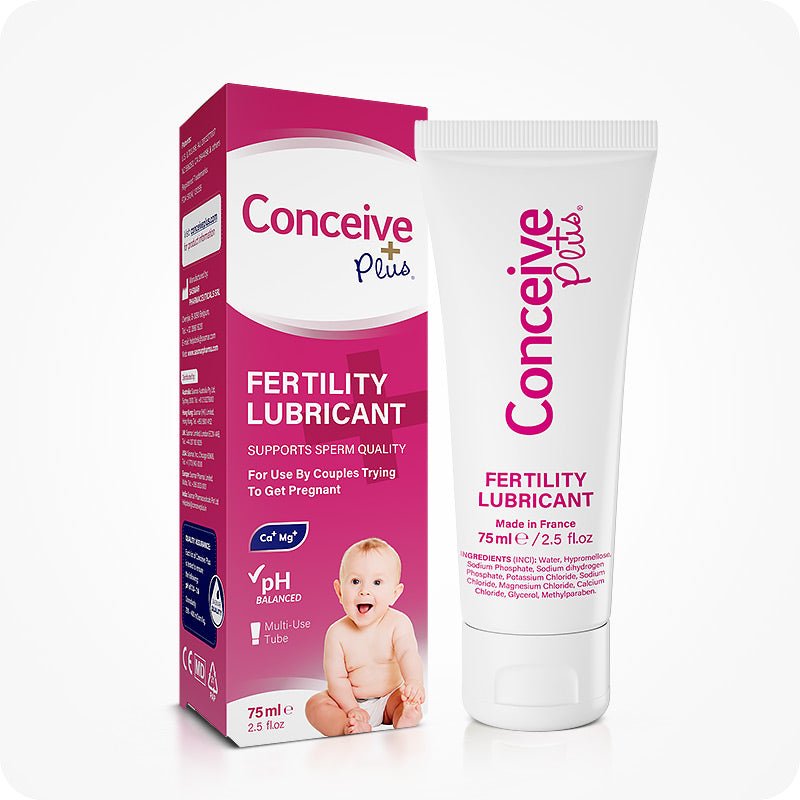
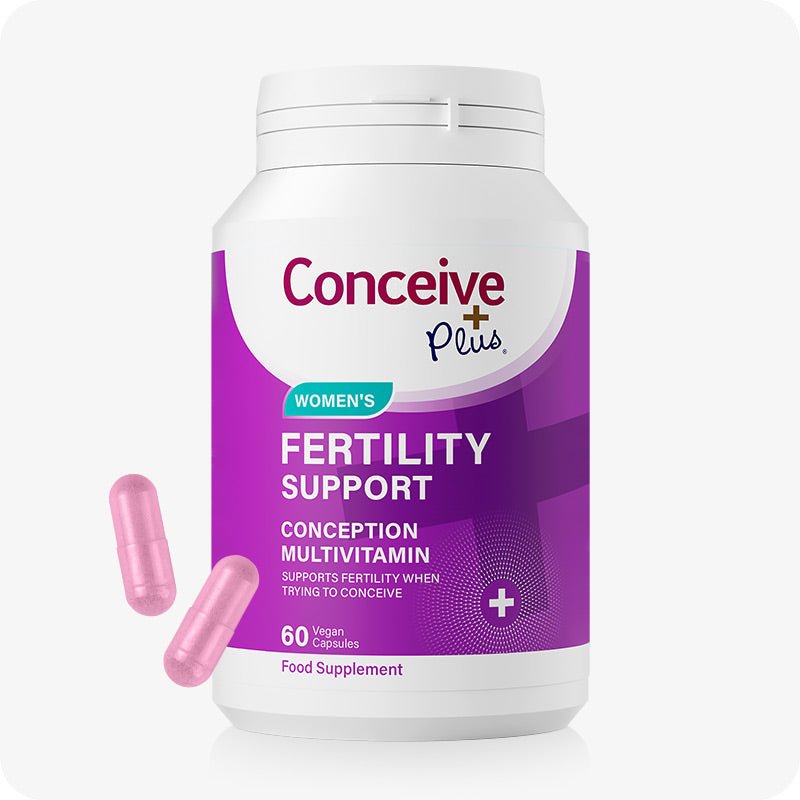
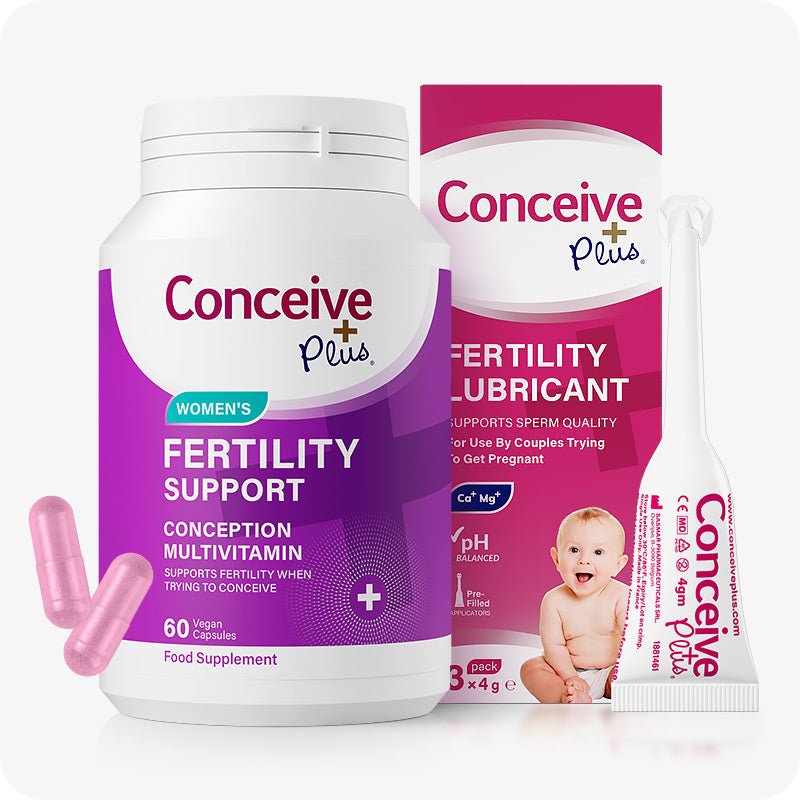
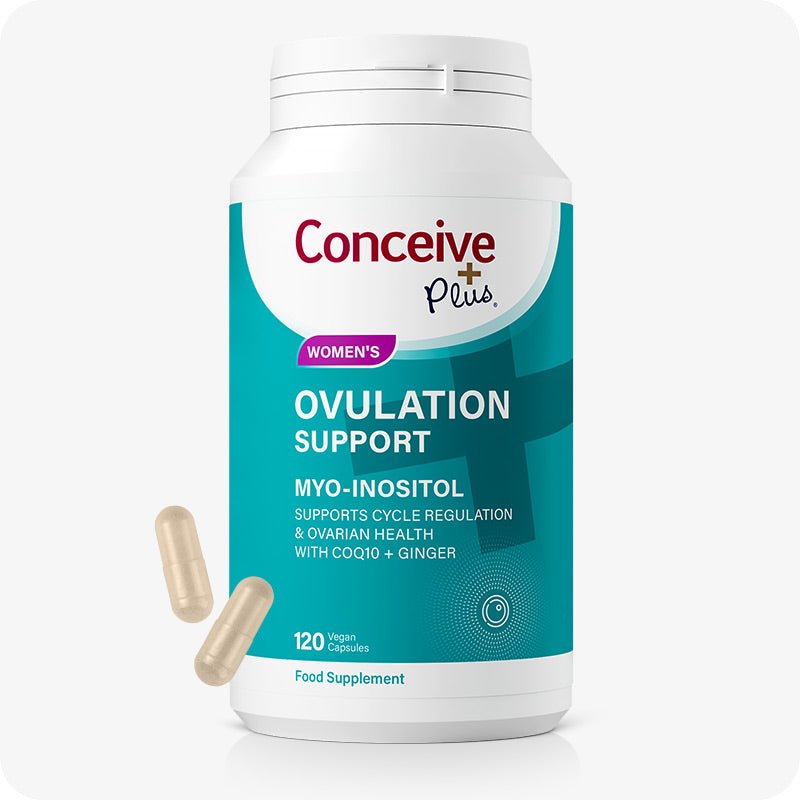
Conceive Plus is trusted by couples across the UK who are taking a proactive approach to their reproductive health. Our range of science-backed supplements is formulated to support fertility for both partners, whatever stage of the journey you're at.
Shop Conceive Plus UK →