Women's Fertility Supplements: What to Take When Trying to Conceive


Women's Fertility Supplements: What to Take When Trying to Conceive
When you're trying to conceive, the decisions you make about your health and nutrition can have a profound impact on your fertility journey. For many women, this includes considering fertility supplements — targeted vitamins and minerals designed to support reproductive health, hormonal balance, and egg quality. But with so many products on the market, it can be overwhelming to know where to begin.
This comprehensive guide breaks down the key nutrients that research supports for women's fertility, what the science says, how to choose quality supplements, and when to start taking them. Whether you're just beginning to think about pregnancy or have been trying to conceive for some time, understanding the role of fertility supplements is an important step towards optimising your reproductive health.
Why Fertility Supplements Matter for Women Trying to Conceive
Nutrition plays a fundamental role in female fertility. The body requires an abundance of vitamins, minerals, and antioxidants to produce healthy eggs, maintain hormonal balance, support a healthy uterine lining, and ultimately sustain a pregnancy. Even women who eat a well-balanced diet may fall short of the optimal levels of certain nutrients critical for conception.
According to research published in the American Journal of Obstetrics and Gynaecology, women who took multivitamins containing folic acid had significantly higher rates of ovulation and successful conception compared to those who did not. A study from the Harvard School of Public Health found that multivitamin use was associated with a 41% lower risk of ovulatory infertility.
In the UK, the NHS recommends that all women trying to conceive take folic acid supplementation, and growing evidence supports the use of additional nutrients. Soil depletion, food processing, stress, and modern lifestyle factors mean that dietary sources alone often cannot supply everything a woman's body needs during the preconception period.
Fertility supplements are not a magic solution — they work best as part of a comprehensive approach to health. However, for many women, they represent an important nutritional safety net during one of the most critical periods of reproductive life.
Support Your Fertility Naturally
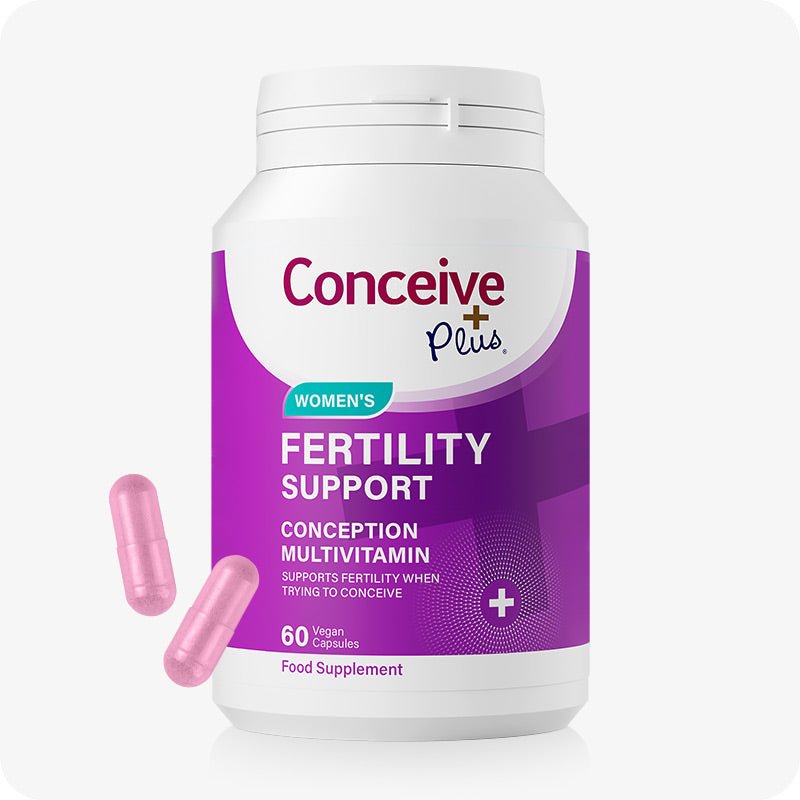
Conceive Plus Women's Fertility Support is a comprehensive multivitamin formulated with the nutrients your body needs most when trying to conceive — including active folate, CoQ10, and Vitamin D3.
Explore Women's Fertility Support →Key Nutrients: The Science Behind Women's Fertility Supplements
Not all supplements are created equal, and not all nutrients are equally relevant to fertility. Below, we explore the most well-researched nutrients specifically linked to female reproductive health.
Folate (Active Folic Acid / Methylfolate)
Folate is arguably the most important nutrient for women trying to conceive. It is critical for DNA synthesis, cell division, and the development of the neural tube in early pregnancy. The UK's NHS recommends 400 micrograms (mcg) of folic acid daily for all women planning pregnancy, starting at least three months before trying to conceive.
However, research now highlights an important distinction: many women — particularly those with a common MTHFR gene variant, estimated to affect up to 40% of the population — have difficulty converting synthetic folic acid into its active form. Methylfolate (5-MTHF) is the bioavailable form of folate that the body can use directly, making it a superior choice for many women.
Studies show that women who have adequate folate levels before conception not only reduce the risk of neural tube defects by up to 70%, but also experience better outcomes with IVF and assisted reproduction. A 2020 review in Nutrients confirmed that folate status is associated with improved egg quality and embryo development.
CoQ10 (Coenzyme Q10)
Coenzyme Q10 is a powerful antioxidant naturally present in nearly every cell of the body, playing a crucial role in energy production within the mitochondria. Eggs (oocytes) are the most mitochondria-rich cells in the human body — and adequate CoQ10 is essential for their energy production, maturation, and fertilisation capacity.
As women age, CoQ10 levels naturally decline, which is thought to contribute to the age-related decline in egg quality. Research published in the journal Fertility and Sterility demonstrated that CoQ10 supplementation improved ovarian response and egg quality in older women undergoing IVF. Another study found that mice treated with CoQ10 showed significantly improved egg quality, reversal of age-related fertility decline, and increased litter sizes.
For women trying to conceive — particularly those over 35 — CoQ10 supplementation is increasingly recommended by fertility specialists. Typical research doses range from 200mg to 600mg per day, ideally in the ubiquinol form for superior absorption.
Vitamin D3
Vitamin D deficiency is remarkably common in the UK, with studies suggesting that over 20% of the population has low vitamin D levels. This is particularly concerning for fertility, as vitamin D receptors are found throughout the female reproductive system — in the ovaries, uterus, and placenta.
Research consistently links vitamin D deficiency with impaired fertility outcomes. A landmark study published in the European Journal of Clinical Nutrition found that women with sufficient vitamin D levels were nearly twice as likely to achieve pregnancy compared to those who were deficient. Vitamin D also plays a role in regulating the immune system, which is important for implantation and preventing early pregnancy loss.
The NHS recommends 400 IU of vitamin D daily for most adults, but many fertility experts suggest that women trying to conceive may benefit from higher doses — particularly during UK winters when sunlight exposure is minimal. Getting vitamin D levels tested is advisable to determine the appropriate supplementation level.
Iron
Iron is essential for ovulation and overall reproductive health. Iron deficiency — even subclinical deficiency without full anaemia — can disrupt the hormonal signals involved in ovulation and egg development. According to research from the Nurses' Health Study II, women who took iron supplements had a 40% lower risk of ovulatory infertility compared to those who did not.
Non-haem iron from plant sources is less well absorbed than haem iron from meat, making supplementation particularly important for vegetarians and vegans. However, excessive iron can be harmful, so it's important to choose supplements with appropriately dosed iron and ideally monitor levels through blood tests.
Omega-3 Fatty Acids (DHA and EPA)
Omega-3 fatty acids, particularly DHA (docosahexaenoic acid) and EPA (eicosapentaenoic acid), are essential for hormonal health, reducing inflammation, and supporting egg quality. DHA is also critical for foetal brain and nervous system development, making it important to have adequate levels before and during pregnancy.
Research published in the Journal of Clinical Endocrinology and Metabolism found that omega-3 supplementation improved menstrual cycle regularity and reduced androgens in women with PCOS. A 2019 study also found that higher omega-3 levels were associated with better egg quality and improved embryo development in IVF cycles.
The UK government recommends that pregnant women consume at least two portions of oily fish per week, but many women fall short of this. Algae-based omega-3 supplements are an excellent option for those who don't eat fish, providing DHA directly from the source without the risk of mercury contamination.
Vitamin B6 and B12
The B vitamins work synergistically to support hormonal balance, ovulation, and the methylation cycle — a biochemical process critical for DNA repair, detoxification, and hormonal metabolism. Vitamin B6 is particularly associated with progesterone production and luteal phase support, while B12 is essential for DNA synthesis and neurological development.
Research suggests that adequate B6 and B12 levels are associated with shorter time to pregnancy and reduced risk of miscarriage. These vitamins are especially important alongside folate for the one-carbon metabolism pathway that supports healthy cell division and epigenetic regulation.
Zinc
Zinc is a trace mineral involved in over 300 enzymatic reactions in the body, many of which are directly relevant to fertility. It plays a key role in follicular development, ovulation, and fertilisation. Zinc deficiency has been linked to disrupted menstrual cycles, impaired egg development, and increased risk of pregnancy complications.
A study in the journal Biology of Reproduction demonstrated that zinc is essential for the final stages of egg maturation and that even mild zinc deficiency can significantly impair fertility. Most women in the UK do not consistently meet the recommended dietary intake of zinc, making supplementation relevant for many.
Inositol
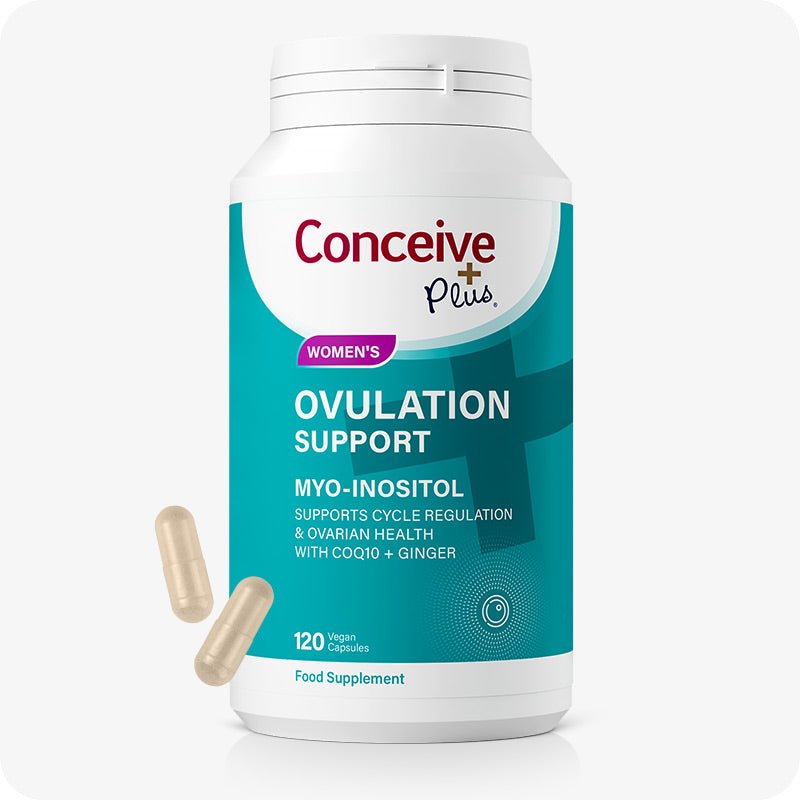
Inositol — particularly myo-inositol and D-chiro-inositol — has emerged as a significant fertility nutrient, especially for women with PCOS (polycystic ovary syndrome). PCOS affects an estimated 1 in 10 women of reproductive age in the UK and is one of the leading causes of female infertility.
Multiple clinical trials have demonstrated that myo-inositol supplementation improves insulin sensitivity, restores regular ovulation, improves egg quality, and reduces androgen levels in women with PCOS. A meta-analysis published in the European Review for Medical and Pharmacological Sciences confirmed these benefits, with inositol showing comparable efficacy to metformin — a pharmaceutical commonly used for PCOS — but with a significantly better tolerability profile.
How to Choose a High-Quality Women's Fertility Supplement
The supplement market is largely unregulated, meaning that product quality can vary dramatically. Here's what to look for when choosing a women's fertility supplement:
- Active, bioavailable forms: Look for methylfolate (5-MTHF) rather than synthetic folic acid, ubiquinol rather than ubiquinone for CoQ10, and methylcobalamin rather than cyanocobalamin for B12. These forms are more readily absorbed and utilised by the body.
- Clinically relevant doses: Many supplements contain token amounts of nutrients that look good on a label but are too low to have physiological effect. Check that doses align with research-supported levels.
- Third-party testing: Reputable brands invest in independent testing for purity, potency, and the absence of contaminants. Look for certifications or transparency about testing practices.
- No unnecessary fillers or additives: Avoid supplements with artificial colours, flavours, or excessive fillers that may compromise quality or tolerability.
- GMP (Good Manufacturing Practice) certification: This indicates the product is manufactured to high quality standards.
- Formulated by fertility experts: Products developed in collaboration with reproductive health professionals are more likely to contain clinically appropriate ingredient combinations and doses.
- Comprehensive formulation: A good women's fertility supplement should address multiple nutritional needs rather than just one or two nutrients, reflecting the complexity of reproductive health.
Reading customer reviews and looking at a brand's transparency — such as publishing research references and ingredient sourcing details — can also help you make an informed choice.
When to Start Taking Fertility Supplements
Timing matters significantly when it comes to fertility supplementation. The NHS recommends starting folic acid at least three months before trying to conceive, and this principle applies more broadly to fertility supplements as a whole.
Egg development (oogenesis) is a process that takes approximately 90 days from the initial recruitment of a follicle to ovulation. This means that the nutritional environment your eggs develop in during the three months before ovulation can significantly influence their quality. Starting fertility supplements at least three months before you actively try to conceive gives nutrients time to build up in your body and positively influence egg development during this critical window.
Some key considerations about timing:
- Start early: Ideally, begin taking a comprehensive fertility supplement three to six months before you start trying to conceive. This gives your body time to optimise nutritional stores.
- Continue through the first trimester: Many fertility supplements can transition seamlessly into a prenatal vitamin, supporting early foetal development after conception.
- Don't wait for the perfect moment: If you've already started trying to conceive without supplements, start now. Even late supplementation is better than none, as nutritional status continues to influence egg quality throughout the cycle.
- Be consistent: Daily supplementation is more effective than irregular use. Incorporate supplement-taking into a consistent routine — with breakfast or at the same time each day.
Women who have been on hormonal contraception may benefit from starting supplements earlier, as some oral contraceptives can deplete levels of B vitamins, zinc, and magnesium, which can take time to restore.
The Role of Lifestyle in Enhancing Supplement Effectiveness
Supplements work best when they're part of a broader commitment to reproductive health. The following lifestyle factors have strong evidence supporting their role in female fertility:
Diet and Nutrition
The Mediterranean-style diet — rich in fruits, vegetables, whole grains, legumes, oily fish, olive oil, and nuts — is consistently associated with better fertility outcomes in research. A 2018 study published in Human Reproduction found that women who closely followed a Mediterranean diet had a 66% higher chance of successful pregnancy through IVF.
Reducing ultra-processed foods, refined sugars, and trans fats while increasing antioxidant-rich foods supports the nutritional foundation that supplements build upon.
Maintaining a Healthy Weight
Both underweight and overweight status can negatively impact fertility. Excess body fat can elevate oestrogen levels and disrupt ovulation, while being underweight can suppress reproductive hormones and lead to absent or irregular periods. Research suggests that even modest weight loss in overweight women can significantly improve hormonal balance and ovulation frequency.
Managing Stress
Chronic stress elevates cortisol, which can suppress reproductive hormones including LH (luteinising hormone) — a key trigger for ovulation. While the evidence for stress directly causing infertility is nuanced, evidence does support stress management practices such as mindfulness, yoga, acupuncture, and counselling for improving overall wellbeing during the fertility journey, which in turn may support conception.
Exercise Balance
Moderate exercise supports healthy weight, insulin sensitivity, and circulation to the reproductive organs. However, excessive high-intensity exercise can suppress ovulation and disrupt menstrual cycles. Aim for regular moderate activity — 150 minutes per week as recommended by UK health guidelines — rather than extreme exercise regimens.
Limiting Alcohol and Caffeine
Research suggests that even moderate alcohol consumption can reduce fertility in women. A study in the British Medical Journal found that women who drank more than five units per week had lower pregnancy rates. UK guidelines recommend avoiding alcohol entirely when trying to conceive. Similarly, limiting caffeine to under 200mg per day (the NHS-recommended threshold during pregnancy) is advisable when trying to conceive.
Avoiding Smoking
Smoking has well-documented negative effects on female fertility, including accelerated egg loss, reduced ovarian reserve, and impaired hormone production. If you smoke, seeking support to quit is one of the most impactful steps you can take for your fertility.
What the Research Says: Evidence for Fertility Supplements
The scientific literature on fertility supplements has grown substantially over the past decade. Here is a summary of key research findings:
- Folate: Cochrane reviews and multiple RCTs confirm that folic acid/folate supplementation reduces neural tube defect risk by up to 70% and is associated with improved ovulation and conception rates.
- CoQ10: A double-blind, placebo-controlled trial published in Fertility and Sterility (2018) showed that CoQ10 supplementation significantly improved ovarian response and the number of high-quality embryos in women over 35 undergoing IVF.
- Vitamin D: A meta-analysis of 11 studies involving over 2,700 women found that sufficient vitamin D status was associated with significantly higher clinical pregnancy and live birth rates in ART cycles.
- Omega-3s: A 2019 study in Human Reproduction followed over 900 women and found that higher omega-3 fatty acid levels were associated with significantly better egg quality and embryo development.
- Inositol: A 2011 RCT published in Gynecological Endocrinology found that myo-inositol improved oocyte quality and pregnancy rates in PCOS patients undergoing IVF — with 45.5% of the inositol group achieving clinical pregnancy compared to 30.4% in the control group.
- Antioxidants: A systematic review in Cochrane Database found that antioxidant supplementation was associated with improved live birth rates and clinical pregnancy rates compared to placebo or no treatment in subfertile women.
- Multivitamins: The Harvard Nurses' Health Study found that women taking multivitamins six or more days per week had a 41% lower risk of ovulatory infertility — one of the most significant findings in nutritional fertility research.
While supplements are not a substitute for medical fertility treatment when required, the research evidence suggests that targeted nutritional support can meaningfully improve fertility outcomes for many women — both naturally and in assisted reproduction cycles.
Frequently Asked Questions About Women's Fertility Supplements
1. When should I start taking fertility supplements?
Ideally, begin taking fertility supplements at least three months before you start trying to conceive. This is because egg development takes approximately 90 days, and the nutritional environment during this period influences egg quality. However, if you've already started trying, begin supplementation straight away — it's never too late to support your nutritional health.
2. Is folic acid or methylfolate better for fertility?
Both provide folate, but methylfolate (5-MTHF) is the active, bioavailable form that the body can use directly. This is particularly important for women with the MTHFR gene variant, who may have difficulty converting synthetic folic acid. Many fertility experts now recommend choosing methylfolate to ensure optimal absorption regardless of genetic status.
3. Can I take too many supplements?
Yes — more is not always better. Some vitamins and minerals can be harmful in excessive doses. Fat-soluble vitamins (A, D, E, K) accumulate in the body and can reach toxic levels with over-supplementation. It's important to choose supplements with appropriate, evidence-based doses and avoid doubling up with multiple products containing the same nutrients. Consulting your GP or a registered nutritionist is advisable if you're taking multiple supplements.
4. Do fertility supplements work for women with PCOS?
Yes, several nutrients have specific evidence for women with PCOS. Inositol (particularly myo-inositol) has the strongest evidence base for improving insulin sensitivity, restoring ovulation, and improving egg quality in PCOS. Vitamin D, omega-3s, and chromium also have supporting evidence for PCOS management.
5. How long do fertility supplements take to work?
Most nutrients need time to build up in the body and influence egg development. As egg maturation takes approximately 90 days, you should generally allow at least three months of consistent supplementation before expecting to see an impact on egg quality. Some effects, such as improved hormonal balance, may be noticeable sooner.
6. Should my partner also take fertility supplements?
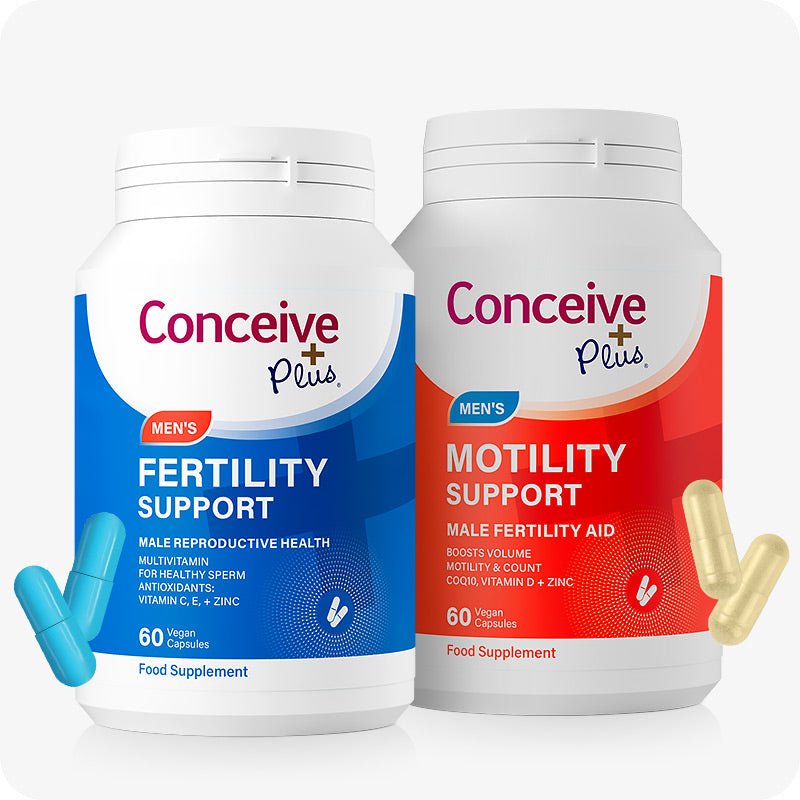
Yes — male fertility is responsible for up to 50% of cases of infertility. Male fertility supplements typically focus on antioxidants (vitamin C, E, selenium), zinc, CoQ10, and folate, which support sperm health, motility, and DNA integrity. Couples often achieve better results when both partners take targeted supplements.
7. Are prenatal vitamins the same as fertility supplements?
There is overlap, but they are not identical. Prenatal vitamins are formulated primarily for pregnancy — ensuring foetal development support once pregnant. Fertility supplements are often formulated with higher antioxidant levels and additional nutrients (such as CoQ10 and inositol) targeted at improving egg quality and hormonal balance before conception. Some products bridge both needs.
8. Can supplements help with recurrent miscarriage?
Certain nutrients may be relevant for women with recurrent pregnancy loss. Vitamin D, omega-3s, and folate have some evidence for supporting implantation and early pregnancy. Women experiencing recurrent miscarriage should seek specialist medical assessment, as specific underlying causes require targeted medical management. Supplements can be part of a broader support strategy but should not replace specialist care.
9. Do I need to see a doctor before taking fertility supplements?
While basic supplements like folic acid and vitamin D are widely recommended without prescription, it is advisable to speak with your GP before starting a comprehensive supplement regimen — particularly if you have any underlying health conditions, take medications, or are undergoing fertility treatment. A GP can also arrange blood tests to identify specific deficiencies that may benefit from targeted supplementation.
10. Are expensive supplements always better?
Not necessarily — but quality does matter. More expensive products are not always superior, but very cheap supplements may compromise on quality — using inferior, less bioavailable forms of nutrients or inadequate manufacturing standards. Focus on the form of ingredients, the dose, the brand's transparency and testing practices, and whether the formulation is grounded in research, rather than price alone.
Start Your Fertility Journey with Confidence
Explore the full Conceive Plus range — trusted by thousands of couples across the UK and formulated with the highest-quality ingredients.
Shop All Products → Women's Fertility Support →