Endometriosis and Fertility: Understanding the Connection and Your Path Forward


Endometriosis and Fertility: Understanding the Connection and Your Path Forward
Endometriosis affects approximately 1.5 million women in the UK — roughly 1 in 10 women of reproductive age — yet it remains one of the most misunderstood and underdiagnosed conditions in women's health. For those navigating a fertility journey alongside an endometriosis diagnosis, the path can feel particularly complex. But understanding the relationship between endometriosis and fertility — and the evidence-based strategies available — can transform uncertainty into agency.
This guide covers the science of how endometriosis affects fertility, the diagnostic landscape in the UK, current treatment approaches, and practical nutritional and lifestyle strategies that may support reproductive outcomes for women with endometriosis.
What Is Endometriosis — and How Common Is It in the UK?
Endometriosis occurs when tissue similar to the lining of the womb (endometrium) grows outside the uterus — most commonly on the ovaries, fallopian tubes, and the tissue lining the pelvis. Like the normal endometrium, this tissue responds to hormonal signals during the menstrual cycle: it thickens, breaks down, and bleeds. But unlike the endometrial lining, it has nowhere to go. This trapped blood and tissue causes inflammation, scarring, and the formation of adhesions — fibrous bands of scar tissue that can bind organs together.
In the UK, endometriosis is the second most common gynaecological condition after fibroids. According to Endometriosis UK, it takes an average of 8 years from symptom onset to diagnosis — a diagnostic delay that has profound consequences for fertility, quality of life, and mental health. Globally, endometriosis affects approximately 190 million women and girls of reproductive age, according to the World Health Organisation.
The condition is classified in four stages (I through IV) based on the extent of disease, though stage does not reliably predict fertility outcomes. Women with stage I or II endometriosis can experience significant fertility challenges, while some women with stage III or IV conceive naturally.
How Endometriosis Affects Fertility: The Mechanisms
Supporting Your Fertility Journey with Endometriosis
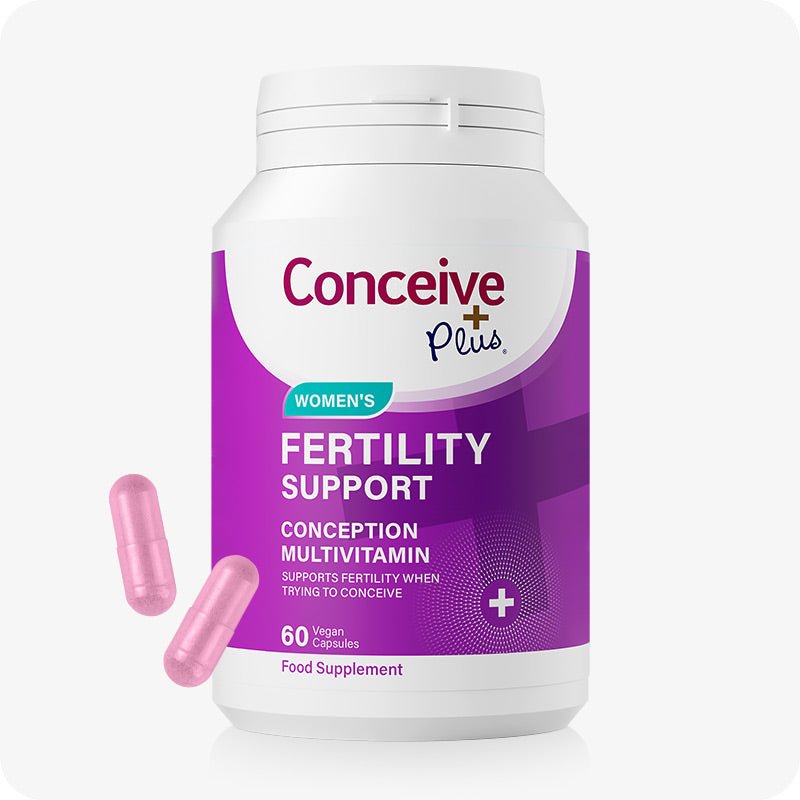
Conceive Plus Women's Fertility Support is formulated with key micronutrients including methylfolate, CoQ10, NAC, and antioxidants — designed to support hormonal balance, egg quality, and reproductive health in women navigating complex fertility conditions.
Explore Women's Fertility Support →Endometriosis can impair fertility through several distinct pathways, some of which are present even in mild disease:
Anatomical Distortion
Adhesions and scar tissue from endometriosis can distort the normal anatomy of the reproductive tract. Fallopian tube blockage or dysfunction may prevent the egg from reaching the uterus. Ovarian endometriomas — cysts filled with old menstrual blood, sometimes called "chocolate cysts" — can damage surrounding ovarian tissue and reduce ovarian reserve.
Inflammatory Environment
Endometriosis creates a state of chronic inflammation in the pelvic cavity. The peritoneal fluid surrounding the reproductive organs contains elevated levels of inflammatory cytokines, prostaglandins, and macrophages — an environment that is hostile to both sperm function and egg quality. Research published in Human Reproduction Update has demonstrated that this inflammatory milieu can impair fertilisation even in women without visible anatomical damage.
Reduced Ovarian Reserve
Ovarian endometriomas are associated with a measurable reduction in ovarian reserve. A meta-analysis published in Fertility and Sterility (2012) found that women with endometriomas had significantly lower AMH (anti-Müllerian hormone) levels — a marker of ovarian reserve — compared to women without endometriosis. Surgical removal of endometriomas (cystectomy) may further reduce ovarian reserve, which is why surgical decisions require careful consideration, particularly in women who haven't yet completed their family.
Implantation Impairment
Emerging research suggests that endometriosis may also affect the endometrium itself. Altered expression of receptors required for embryo implantation, as well as immune system dysregulation in the uterine lining, may reduce implantation success even when embryos are chromosomally normal.
Impact on Egg Quality
The oxidative stress associated with endometriosis — elevated levels of reactive oxygen species in the pelvic environment — is thought to negatively affect egg quality. This may explain why women with endometriosis sometimes have lower fertilisation rates in IVF cycles even when sufficient eggs are retrieved.
Diagnosis in the UK: What to Expect
Endometriosis can only be definitively diagnosed through laparoscopy — a surgical procedure in which a camera is inserted into the abdomen to visualise endometrial deposits directly. However, pelvic ultrasound and MRI can identify ovarian endometriomas and deeply infiltrating endometriosis, and are often used as preliminary investigations.
In the UK, access to care follows a typical pathway:
- GP appointment: Present symptoms including painful periods (dysmenorrhoea), chronic pelvic pain, pain during intercourse (dyspareunia), heavy menstrual bleeding, or difficulty conceiving. Persistent dismissal of symptoms is unfortunately common — keeping a symptom diary strengthens your case.
- Gynaecology referral: Your GP can refer you to a gynaecologist on the NHS. NICE guidelines (NG73) recommend considering endometriosis in women with these symptoms.
- Specialist centre referral: For complex or severe disease, referral to a BSGE (British Society for Gynaecological Endoscopy) accredited endometriosis centre is recommended.
- Fertility investigations: If conception is a concern, your gynaecologist may arrange ovarian reserve testing (AMH, antral follicle count via ultrasound), tubal patency testing, and semen analysis for your partner.
Private diagnosis is also an option for those wishing to accelerate the process, with private laparoscopy available at many UK clinics.
Treatment Options and Their Implications for Fertility
The management of endometriosis in the context of fertility is nuanced. Hormonal treatments used to manage endometriosis pain — GnRH analogues, the combined pill, progestins — suppress ovulation and are not compatible with trying to conceive while being used. They may, however, be used to prepare for IVF or to manage disease between pregnancies.
Surgical Treatment
Laparoscopic surgery to remove endometrial deposits and adhesions can improve natural conception rates in mild to moderate endometriosis. A Cochrane review found that laparoscopic surgery for stage I–II endometriosis doubled the pregnancy rate compared to diagnostic laparoscopy alone (20% vs. 10% at 36 weeks). For endometriomas, cystectomy (removing the cyst wall) is associated with better outcomes than drainage alone, but carries the risk of reducing ovarian reserve — a risk that must be weighed carefully.
IVF and ART
In vitro fertilisation (IVF) is often recommended for women with moderate to severe endometriosis, blocked fallopian tubes, or when other treatments haven't succeeded. IVF bypasses many of the anatomical barriers created by endometriosis. Success rates are somewhat lower in women with endometriosis compared to those without, but IVF remains highly effective. NHS funding criteria vary by Clinical Commissioning Group (ICB in England), and many women with endometriosis pursue private treatment.
IUI
Intrauterine insemination (IUI) may be considered for mild endometriosis with open fallopian tubes, particularly when combined with ovarian stimulation. Evidence for IUI in endometriosis is less robust than for IVF.
Nutritional Strategies for Managing Endometriosis and Supporting Fertility
While nutrition cannot cure endometriosis, there is growing evidence that dietary and supplementation strategies can modulate inflammation, support hormonal balance, and potentially improve fertility outcomes.
Anti-Inflammatory Diet
Given that endometriosis is fundamentally an inflammatory condition, an anti-inflammatory dietary pattern has a strong theoretical and emerging evidence base. A 2013 study in Human Reproduction found that women with the highest intake of omega-3 fatty acids had a 22% lower risk of endometriosis compared to those with the lowest intake. Conversely, trans fat consumption was associated with a 48% higher risk.
An anti-inflammatory approach includes: fatty fish (salmon, mackerel, sardines) for omega-3s; colourful vegetables and fruits for polyphenols and antioxidants; extra virgin olive oil; nuts and seeds; legumes; and minimising processed foods, refined carbohydrates, and red meat.
Omega-3 Supplementation
Fish oil supplements providing EPA and DHA have demonstrated anti-inflammatory effects in endometriosis-related research. They inhibit the production of prostaglandin E2 (PGE2) — a pro-inflammatory compound elevated in endometriosis that contributes to pain and may impair implantation.
Antioxidants: Vitamins C, E, and NAC
Oxidative stress is a key driver of endometriosis progression and egg quality impairment. Antioxidant supplementation — particularly vitamins C and E, and N-acetyl cysteine (NAC) — has shown promise. A randomised controlled trial published in Fertility and Sterility (2007) found that combined vitamin C and E supplementation reduced peritoneal fluid inflammatory markers in women with endometriosis. NAC supplementation has shown impressive results in preliminary studies, with one Italian study finding that NAC administration reduced endometrioma size in 24% of cases versus none in the control group.
Vitamin D
Vitamin D deficiency is notably prevalent in the UK, particularly through autumn and winter months when sunlight is insufficient for cutaneous synthesis. Research has found lower serum vitamin D levels in women with endometriosis, and vitamin D has immunomodulatory effects that may be relevant to endometriosis pathogenesis. Public Health England recommends supplementing with 10 micrograms (400 IU) daily during autumn and winter; women with endometriosis may benefit from optimising their levels year-round under medical guidance.
Magnesium
Magnesium has anti-inflammatory and muscle-relaxant properties relevant to the pelvic pain associated with endometriosis. Magnesium inhibits prostaglandin synthesis and can reduce menstrual cramping. Food sources include leafy greens, nuts, seeds, and dark chocolate.
Limiting Oestrogen-Promoting Factors
Endometriosis is an oestrogen-dependent condition — endometrial deposits have oestrogen receptors and grow in response to oestrogen. Strategies to support healthy oestrogen metabolism include: consuming cruciferous vegetables (broccoli, kale, Brussels sprouts) which contain I3C and DIM that support liver oestrogen detoxification; maintaining healthy body weight (adipose tissue produces oestrogen); and minimising exposure to xenoestrogens (oestrogen-mimicking chemicals found in some plastics and personal care products).
Mental Health and Emotional Wellbeing
The intersection of chronic pain, fertility challenges, and the diagnostic odyssey associated with endometriosis takes a significant toll on mental health. Research consistently documents higher rates of anxiety and depression in women with endometriosis. The emotional impact of infertility compounds this burden.
Accessing support is not optional — it's part of treatment. Options in the UK include:
- Endometriosis UK: Helpline (0808 808 2227), local support groups, and online community
- Fertility Network UK: Support for the emotional aspects of fertility challenges
- NHS IAPT services: Cognitive Behavioural Therapy (CBT) and mindfulness-based approaches, available on referral
- BUPA and private counselling: For more immediate access to psychological support
Research on mindfulness-based stress reduction (MBSR) in chronic pain conditions — including endometriosis — has demonstrated meaningful improvements in pain catastrophising, quality of life, and psychological wellbeing.
Living with Endometriosis: Practical Management
Managing endometriosis while trying to conceive requires navigating the tension between treating the disease and preserving fertility. Some practical considerations:
- Track your symptoms: Maintaining a symptom and cycle diary helps healthcare providers assess disease activity and guides treatment decisions.
- Know your ovarian reserve: AMH testing, available privately from around £50-80 in the UK, provides important baseline information about your ovarian reserve — particularly relevant if surgery is being considered.
- Don't delay seeking fertility care: Women with endometriosis are generally advised to seek fertility evaluation sooner rather than later, as the condition is progressive for many.
- Consider specialist centres: BSGE-accredited endometriosis centres have multi-disciplinary teams with expertise in complex cases.
- Ask about egg freezing: For women not yet ready to conceive, egg freezing before disease progression or surgery reduces ovarian reserve further may be worth discussing with a specialist.
Frequently Asked Questions About Endometriosis and Fertility
Does endometriosis always cause infertility?
No. Approximately 70% of women with endometriosis will conceive naturally. However, endometriosis does reduce fecundity (the monthly probability of conception), and more advanced disease significantly increases infertility risk. Early evaluation is always advisable if conception is desired.
Will treating endometriosis cure my infertility?
Not necessarily, but treatment can improve fertility outcomes. Surgical treatment of minimal to mild endometriosis approximately doubles natural conception rates. For moderate to severe disease, IVF often provides the best outcomes. Treating endometriosis is one component of a broader fertility plan.
Can I still get pregnant with endometriomas?
Yes. Many women with ovarian endometriomas conceive naturally or through IVF. Whether to surgically remove endometriomas before IVF is a clinical decision that weighs potential improvement in ovarian response against the risk of further reducing ovarian reserve.
Is endometriosis hereditary?
Endometriosis has a familial component. First-degree relatives of women with endometriosis have a 7–10 times higher risk of developing the condition. Multiple genes have been identified as contributing to risk, though the condition is influenced by both genetic and environmental factors.
How does endometriosis affect IVF success rates?
Women with endometriosis generally have somewhat lower IVF success rates than those without, particularly in terms of egg number retrieved and embryo quality. However, IVF success rates remain meaningful and the procedure is widely recommended for endometriosis-related infertility. The use of GnRH analogues before IVF to suppress endometriosis activity may improve outcomes.
Can diet and lifestyle really make a difference?
While diet and lifestyle cannot cure endometriosis, they can modulate inflammation, support hormonal balance, and potentially improve the environment for conception. The strongest evidence is for omega-3 fatty acids and antioxidants. A Mediterranean-style anti-inflammatory diet is widely recommended by endometriosis specialists as a supportive measure.
Should I stop taking pain medication while trying to conceive?
This depends on the medication. NSAIDs (ibuprofen, naproxen) may impair ovulation when taken around the time of expected ovulation and should be discussed with your GP. Paracetamol is generally considered safer for use while trying to conceive. Always consult your healthcare provider before changing pain management during a fertility journey.
Is there a relationship between endometriosis and miscarriage?
Research findings are mixed. Some studies suggest a slightly elevated miscarriage risk in women with endometriosis, possibly due to implantation factors or uterine inflammation. Other studies show no significant difference. If you experience recurrent miscarriages, evaluation for endometriosis and other contributing factors is warranted.
What is adenomyosis, and is it different from endometriosis?
Adenomyosis occurs when endometrial-like tissue infiltrates the muscular wall of the uterus (myometrium), causing a thickened, enlarged uterus with heavy, painful periods. It is distinct from endometriosis, though the two conditions frequently coexist. Adenomyosis can also affect fertility and implantation. It is typically diagnosed by transvaginal ultrasound or MRI.
What support is available on the NHS?
NHS provision for endometriosis includes GP-led investigation, gynaecology outpatient care, surgical treatment, and referral to specialist endometriosis centres. NHS fertility treatment varies by region — eligibility for funded IVF cycles differs across Integrated Care Boards. Private treatment options expand access for those who can afford it. Endometriosis UK provides comprehensive guidance on navigating the NHS pathway.
Endometriosis can make the fertility journey more complex — but it does not make it impossible. With the right medical team, evidence-based nutritional and lifestyle support, and a clear understanding of your individual situation, many women with endometriosis go on to build the families they dream of.
Ready to Take the Next Step?
Your journey with endometriosis is unique, and the right nutritional foundation can make a meaningful difference. Give your body the comprehensive support it deserves as you pursue the family you're working towards.
Shop Women's Fertility Support