Fertility Testing Explained: When to Test, What to Expect, and What Your Results Mean


Fertility Testing Explained: When to Test, What to Expect, and What Your Results Mean
Deciding to start a family is one of life's most significant steps — and for many couples, it comes with a mix of hope, excitement, and, eventually, a few questions. If conception hasn't happened as quickly as expected, or if you simply want to understand your reproductive health before you begin trying, fertility testing can offer invaluable clarity. Yet many people in the UK put off testing longer than necessary, unsure of when to seek help, what tests to ask for, or how to interpret the results they receive.
This guide walks you through everything you need to know: from understanding your fertility timeline and the benchmarks UK clinicians use, to the specific tests available for both women and men, what to expect during the process, and how to make sense of your results. Knowledge is empowering — and when it comes to fertility, understanding your body is the first step toward taking meaningful action.
Understanding Fertility: What the Statistics Tell Us
Fertility is defined clinically as the capacity to conceive and carry a pregnancy. In the UK, approximately one in seven couples experience difficulty conceiving — that equates to around 3.5 million people. The good news is that the vast majority of couples who seek help will eventually achieve a pregnancy, either naturally or with assistance.
Conception rates vary considerably by age. According to NHS data:
- Around 84% of couples under 40 will conceive naturally within one year of regular unprotected sex
- That figure rises to approximately 92% within two years
- After 35, the monthly chance of conception begins to decline more noticeably
- By age 40, the monthly probability drops to roughly 5%, compared to around 20–25% for women in their mid-twenties
These statistics are important context — not to cause alarm, but to help you understand why timing matters when it comes to seeking help. The sooner you have information, the more options remain open to you.
It's also worth noting that fertility challenges are not exclusively a female issue. Around one third of fertility difficulties relate to male factors, one third to female factors, and one third to a combination of both or unexplained causes. This is why fertility testing should, from the outset, include both partners.
When Should You Consider Fertility Testing?
Support Your Cycle From the Inside Out
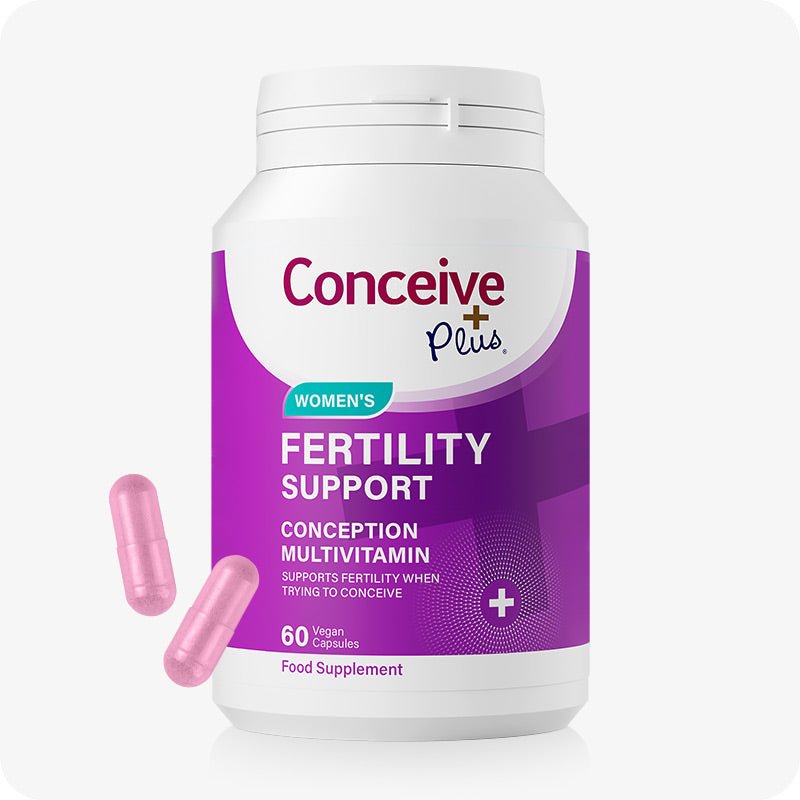
If you're in the process of investigating your fertility, giving your body the right nutritional foundation can make a real difference. Conceive Plus Women's Fertility Support is formulated with key nutrients including folate, inositol, CoQ10, and vitamin D — chosen to support hormone balance, egg health, and overall reproductive wellbeing. It's the kind of daily support that works quietly in the background while you focus on everything else.
Explore Women's Fertility SupportThe standard NHS guidance recommends that couples seek medical advice if they have not conceived after 12 months of regular unprotected sex (two to three times per week). However, there are several circumstances under which it is entirely appropriate — and advisable — to seek testing sooner.
You should consider speaking to your GP sooner if:
- You are 35 or over — many specialists suggest seeking assessment after six months rather than twelve
- You have a known medical history that may affect fertility, such as a previous sexually transmitted infection, pelvic inflammatory disease, endometriosis, uterine fibroids, or irregular periods
- You have experienced recurrent miscarriage — defined as two or more consecutive pregnancy losses
- You have very irregular or absent periods, which may indicate ovulatory issues
- Your partner has known or suspected fertility concerns, including a history of undescended testicles, varicocele, or previous infections
- Either of you has undergone cancer treatment, which can affect reproductive function
- You have recently stopped using hormonal contraception and your cycles have not resumed within three months
There is also a growing trend toward preconception fertility assessment — tests carried out before trying to conceive, simply to establish a baseline and identify any issues early. While this isn't currently standard on the NHS, private clinics across the UK offer comprehensive preconception packages, and many couples find the peace of mind invaluable.
Importantly: seeking help is not an admission of failure. It is a proactive, responsible step.
What Fertility Tests Are Available for Women?
Female fertility testing typically begins with a consultation with your GP, who will take a medical history and may carry out some initial blood tests before referring you to a specialist if needed. Here is a breakdown of the most commonly used tests:
1. Hormone Blood Tests
Blood tests are one of the first lines of investigation. The most commonly requested include:
- FSH (Follicle-Stimulating Hormone) — measured on day 2–3 of your cycle, this indicates how hard your body is working to stimulate egg development. Elevated FSH can suggest reduced ovarian reserve.
- LH (Luteinising Hormone) — often tested alongside FSH; an imbalanced ratio may point toward polycystic ovary syndrome (PCOS) or other conditions.
- Oestradiol (E2) — also measured early in the cycle; gives context to FSH readings.
- Progesterone — typically tested on day 21 of a 28-day cycle (or 7 days before an expected period in longer cycles) to confirm whether ovulation has occurred.
- AMH (Anti-Müllerian Hormone) — one of the most informative single tests for ovarian reserve. AMH is produced by follicles in the ovaries; higher levels suggest a better egg reserve. It can be taken at any point in the cycle.
- Prolactin — elevated prolactin can suppress ovulation and interfere with the menstrual cycle.
- Thyroid function — an underactive or overactive thyroid can significantly affect fertility and pregnancy outcomes.
2. Antral Follicle Count (AFC) via Ultrasound
A transvaginal ultrasound scan performed early in the cycle counts the number of small resting follicles in each ovary. This gives a direct visual indicator of ovarian reserve and is often performed alongside AMH testing. The combination provides one of the most reliable pictures of remaining egg supply.
3. Pelvic Ultrasound
A pelvic ultrasound can assess the uterus and ovaries for structural issues such as fibroids, polyps, cysts, or signs of endometriosis. It is a non-invasive, routine part of fertility investigation.
4. Hysterosalpingography (HSG)
HSG is an X-ray procedure in which a small amount of contrast dye is injected through the cervix into the uterus and fallopian tubes. The resulting images show whether the tubes are open (patent) or blocked. Blocked tubes are a significant cause of female infertility and are not detectable through blood tests alone.
5. HyCoSy (Hysterosalpingo-contrast Sonography)
An ultrasound-based alternative to HSG, HyCoSy uses a sterile fluid and ultrasound to assess tubal patency. Many women find it more comfortable than HSG, and it avoids radiation exposure.
6. Laparoscopy
A minimally invasive surgical procedure carried out under general anaesthetic, laparoscopy provides a direct view of the pelvic organs. It can diagnose and sometimes treat conditions such as endometriosis, adhesions, and ovarian cysts. It is typically reserved for cases where other investigations are inconclusive or where symptoms suggest a specific pelvic condition.
What Fertility Tests Are Available for Men?
Male fertility testing is often overlooked or delayed — partly due to societal reluctance, partly because people assume the woman should be investigated first. This is a missed opportunity. A semen analysis is quick, non-invasive, and can provide crucial information within days.
1. Semen Analysis
The cornerstone of male fertility assessment. A semen sample (typically produced by masturbation into a sterile container) is examined in a laboratory. The key parameters assessed include:
- Sperm count — the total number of sperm per millilitre. The WHO reference value is ≥16 million/ml (updated 2021 guidelines)
- Motility — the percentage of sperm that are moving, and the quality of that movement (progressive motility is most important)
- Morphology — the shape and structure of sperm. Even in fertile men, a significant proportion of sperm are abnormally shaped; the reference value is ≥4% normal forms (Kruger strict criteria)
- Semen volume and pH
- Total motile sperm count (TMSC) — often considered the most clinically useful single figure
It's important that two semen analyses are performed, ideally 10–12 weeks apart, before any conclusions are drawn — sperm quality fluctuates, and a single poor result does not necessarily indicate a persistent problem.
2. Hormone Testing for Men
If the semen analysis raises concerns, blood tests measuring testosterone, FSH, LH, and prolactin can help identify whether the cause is within the testes (primary hypogonadism) or related to hormonal signalling from the brain (secondary hypogonadism).
3. Genetic Testing
In cases of very low sperm count (severe oligospermia) or absent sperm (azoospermia), genetic testing may be recommended. This includes karyotyping (checking chromosome number and structure) and testing for Y-chromosome microdeletions, which are found in a proportion of men with severely impaired sperm production.
4. Testicular Ultrasound
An ultrasound scan of the testes can identify varicoceles (dilated veins that can affect sperm quality and production), hydroceles, cysts, or other structural concerns.
5. Sperm DNA Fragmentation Testing
A more specialised test that assesses the integrity of the DNA within sperm. High levels of DNA fragmentation have been linked to recurrent miscarriage, failed IVF cycles, and poor embryo development — even when standard semen parameters appear normal. It is not universally offered on the NHS but is available through private fertility clinics.
Navigating the NHS vs Private Fertility Testing Route
In England, Scotland, Wales, and Northern Ireland, access to NHS-funded fertility investigation and treatment varies considerably by location. The postcode lottery of fertility care in the UK is a well-documented issue — what is freely available in one Clinical Commissioning Group (CCG) may require extensive waiting lists or co-payment in another.
What is generally available on the NHS:
- Initial consultation with your GP and referral to a specialist (typically after 12 months of trying)
- Basic hormone blood tests, semen analysis, pelvic ultrasound
- Some access to IVF cycles, though criteria and number of funded cycles vary by location
What may require private funding:
- AMH testing (not universally offered on the NHS)
- HyCoSy or HSG in some areas
- Sperm DNA fragmentation testing
- Preconception fertility assessment for those not yet trying
- Additional IVF cycles beyond NHS-funded allocation
Private fertility clinics in the UK — many of which are regulated by the Human Fertilisation and Embryology Authority (HFEA) — offer comprehensive assessment packages, often with shorter waiting times. Costs for a full fertility MOT typically range from £300–£600 per person. While this represents a significant investment, many couples find that having answers sooner allows them to make more informed decisions about next steps.
When choosing a private clinic, always check that it holds a valid HFEA licence and look at their published success rate data (live birth rates per embryo transfer, stratified by age) on the HFEA's website.
Understanding Your Results: What Do They Mean?
Receiving fertility test results can be an emotionally charged experience. Numbers and reference ranges can be difficult to interpret without context. Here's a practical guide to some of the most commonly queried results:
AMH and Ovarian Reserve
AMH is reported in pmol/L (UK standard). Rough reference ranges:
- >15 pmol/L — generally considered a reassuring reserve, particularly under 35
- 7.14–15 pmol/L — within normal range, potential for some reduction
- 2.2–7.14 pmol/L — low reserve; may affect response to IVF stimulation
- <2.2 pmol/L — very low reserve; specialist input strongly advisable
It's crucial to understand that AMH tells you about quantity, not quality. A low AMH does not mean you cannot conceive naturally — many women with low AMH do conceive without intervention. It simply indicates there may be less time to wait before seeking help.
Day 21 Progesterone
A progesterone result above 30 nmol/L is generally considered confirmatory of ovulation. Results between 16–30 nmol/L may suggest ovulation occurred but with a weaker luteal phase. Values below 16 nmol/L may indicate anovulation and warrant further investigation.
Semen Analysis
Current WHO 2021 reference values (5th percentile of fertile men):
- Total sperm count: ≥39 million per ejaculate
- Sperm concentration: ≥16 million/mL
- Total motility: ≥42%
- Progressive motility: ≥30%
- Normal morphology: ≥4%
- Semen volume: ≥1.4 mL
Results below these thresholds do not mean conception is impossible — they mean that the probability of natural conception may be reduced, and that specialist input could be beneficial.
FSH Levels
In women, FSH on day 2–3 of the cycle:
- <10 IU/L — generally reassuring
- 10–15 IU/L — borderline elevated; may indicate diminished reserve
- >15 IU/L — significantly elevated; suggests poor ovarian reserve and specialist review is warranted
No single result should be interpreted in isolation. Fertility specialists look at the complete picture: your age, medical history, symptoms, lifestyle, and the combination of all test results together before drawing conclusions or recommending a path forward.
Emotional Wellbeing During the Testing Process
It would be incomplete to discuss fertility testing without acknowledging the emotional weight it can carry. Waiting for results, interpreting numbers, attending clinics, navigating NHS referral pathways — all of this unfolds during what is often an already anxious period in a couple's life.
Research consistently shows that the psychological impact of fertility challenges is substantial. A 2023 study published in the journal Human Reproduction found that women experiencing fertility difficulties reported anxiety and depression scores comparable to those with serious medical conditions including cancer and heart disease. This is not a niche problem — it is a significant public health issue that warrants proper support.
Practically speaking, there are several things that can help:
- Go to appointments together where possible — fertility concerns affect both partners, and facing them as a team is almost universally reported as helpful
- Limit internet research to reputable sources — NHS, HFEA, Fertility Network UK, and peer-reviewed journals are good starting points; anonymous forum anecdotes less so
- Consider counselling — many fertility clinics offer specialist counselling support, often included in the cost of treatment. The British Infertility Counselling Association (BICA) maintains a directory of qualified practitioners
- Connect with community — organisations such as Fertility Network UK provide peer support groups, both online and in person across the country
- Be patient with each other — partners often process fertility-related stress differently, and this can create friction. Acknowledging different coping styles is an important first step
It's also worth separating what you can control from what you cannot. You cannot change your age, your genetics, or what has already happened. You can take proactive steps: seeking testing early, supporting your overall health, attending appointments, asking questions, and accessing the right professional guidance.
Next Steps After Fertility Testing
Once you have results in hand, the most important step is a thorough consultation with a specialist who can contextualise them. Your GP may refer you to a gynaecologist or fertility specialist on the NHS, or you may choose to see a consultant privately.
Depending on your results, next steps might include:
- Reassurance and watchful waiting — many couples with slightly suboptimal results go on to conceive naturally within the following 6–12 months
- Lifestyle modifications — addressing factors such as weight, alcohol intake, smoking, or nutritional deficiencies
- Targeted supplementation — supporting reproductive health through evidence-based nutritional products while trying to conceive
- Intrauterine insemination (IUI) — a less invasive assisted conception option, sometimes used as a first-line treatment
- In vitro fertilisation (IVF) or intracytoplasmic sperm injection (ICSI) — where appropriate, based on the full clinical picture
- Surgical intervention — to address blocked tubes, fibroids, polyps, or other structural issues
- Donor conception — using donated eggs, sperm, or embryos, regulated by the HFEA in the UK
There is rarely a single "right" path — rather, a personalised plan based on your specific situation, preferences, and circumstances. A good specialist will always present options clearly, include you in decision-making, and support you in taking next steps at a pace that feels right for you.
Most importantly: getting tested is not the end of a story. For the vast majority of couples, it is the beginning of a much clearer, more empowered chapter in their journey toward parenthood.
Frequently Asked Questions
How long should we try before seeking fertility testing?
The standard NHS guideline is 12 months of regular, unprotected sex for couples under 35. If you are 35 or older, most specialists recommend seeking assessment after six months. If you have any known risk factors — irregular periods, a history of pelvic infection, previous surgery, or if your partner has known concerns — speak to your GP sooner rather than later. There is no benefit in waiting unnecessarily.
Can I request fertility tests on the NHS before trying for a baby?
In most cases, NHS fertility testing is only available once you have been trying to conceive for the recommended period. However, some GPs will perform basic checks (such as thyroid function or progesterone levels) if you present with relevant symptoms. For comprehensive preconception assessment, private clinics are the most accessible route.
Does a low AMH mean I can't get pregnant naturally?
Not necessarily. AMH reflects the quantity of eggs remaining in the ovaries, not their quality — and quality is just as important as quantity for natural conception. Many women with lower AMH conceive without assistance. However, a low result does suggest it may be wise to seek advice sooner rather than waiting the full 12 months, as it can indicate a smaller window of time.
Is semen analysis reliable from a home test kit?
Home sperm test kits are improving and can offer a useful initial indicator of sperm count and, in some cases, motility. However, they do not replace a full laboratory semen analysis, which assesses additional parameters including morphology, detailed motility quality, and semen volume. If you have any concerns, a clinical semen analysis is the gold standard. Home kits may be useful for a preliminary check while awaiting a formal test.
What is the difference between infertility and subfertility?
Infertility technically refers to the inability to achieve pregnancy after 12 months of trying (or six months for women over 35). Subfertility describes reduced fertility — a lower than average chance of conceiving per cycle, but not a complete inability to conceive. In clinical practice, the two terms are often used interchangeably. Most couples experiencing fertility challenges fall into the subfertility category, and with appropriate support, many go on to conceive.
Can stress cause fertility problems, and should I try to relax before testing?
There is evidence that chronic, severe stress can affect hormonal balance and potentially impact ovulation. However, the idea that people fail to conceive simply because they are "too stressed" is an oversimplification that can be unhelpful and even harmful to those going through fertility challenges. If you are experiencing significant stress, seeking support is worthwhile — but do not postpone fertility testing on the assumption that relaxing will resolve an underlying issue. Test, understand, then act.
Will fertility tests show whether I've had a miscarriage?
Standard fertility tests do not detect past miscarriages, but they can identify conditions that might be associated with recurrent pregnancy loss — such as hormonal imbalances, thyroid dysfunction, uterine abnormalities, or thrombophilia (blood clotting disorders). If you have experienced two or more miscarriages, you are entitled to a recurrent miscarriage investigation on the NHS, which involves a specific panel of tests.
How accurate are at-home hormone tests for fertility?
At-home hormone test kits (such as those measuring FSH or AMH from a finger-prick blood sample) have improved significantly in recent years and can offer useful indicative results. However, laboratory conditions, sample handling, and the specific assays used can affect results. For clinical decision-making — especially if you are planning treatment — results from a regulated clinical laboratory are preferable. Use home testing for awareness and initial screening, but follow up with a clinician for confirmation and interpretation.
My partner's semen analysis came back abnormal. What happens next?
A single abnormal result should be confirmed with a second semen analysis, ideally 10–12 weeks after the first (the time it takes for a new batch of sperm to mature). If the second test also shows abnormalities, your GP should refer your partner to a urologist or reproductive medicine specialist. Further investigation may include hormone blood tests, genetic testing, or a testicular ultrasound. In many cases, lifestyle changes or targeted supplementation can improve sperm parameters; in others, assisted conception techniques such as ICSI may be recommended.
What questions should I ask at my fertility consultation?
Going into a consultation with questions prepared can make the experience far more productive. Consider asking: What do my results mean in the context of my age and history? What are the most likely causes of our difficulty conceiving? What are the next recommended steps, and what are the alternatives? What are the realistic success rates for any recommended treatments? What can we do in the meantime to support our chances? Are there any lifestyle factors we should address? Your specialist should welcome these questions — if they don't, that's useful information too.
Explore the Conceive Plus Fertility Range
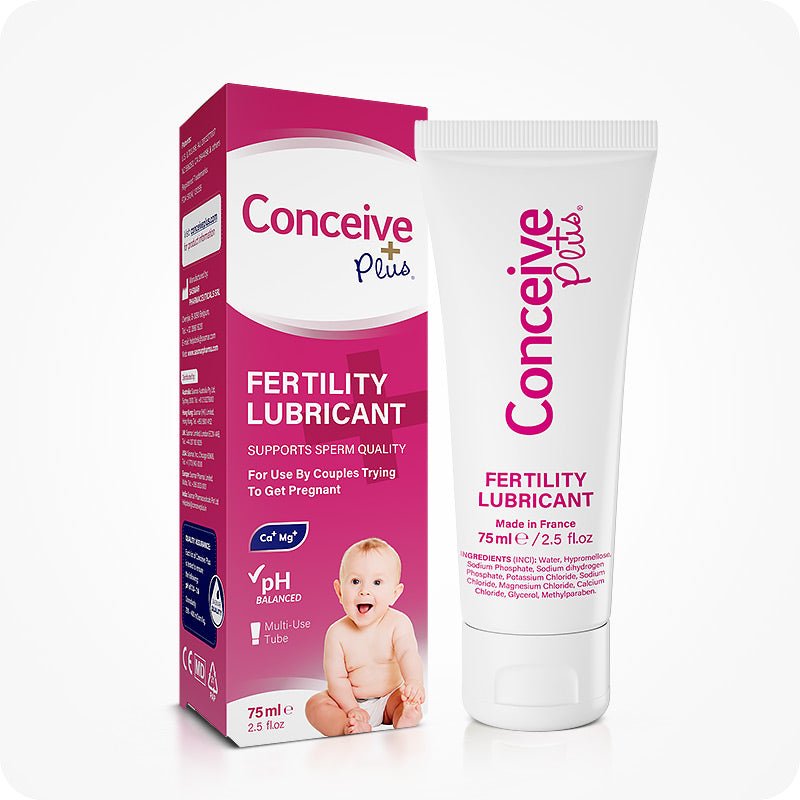
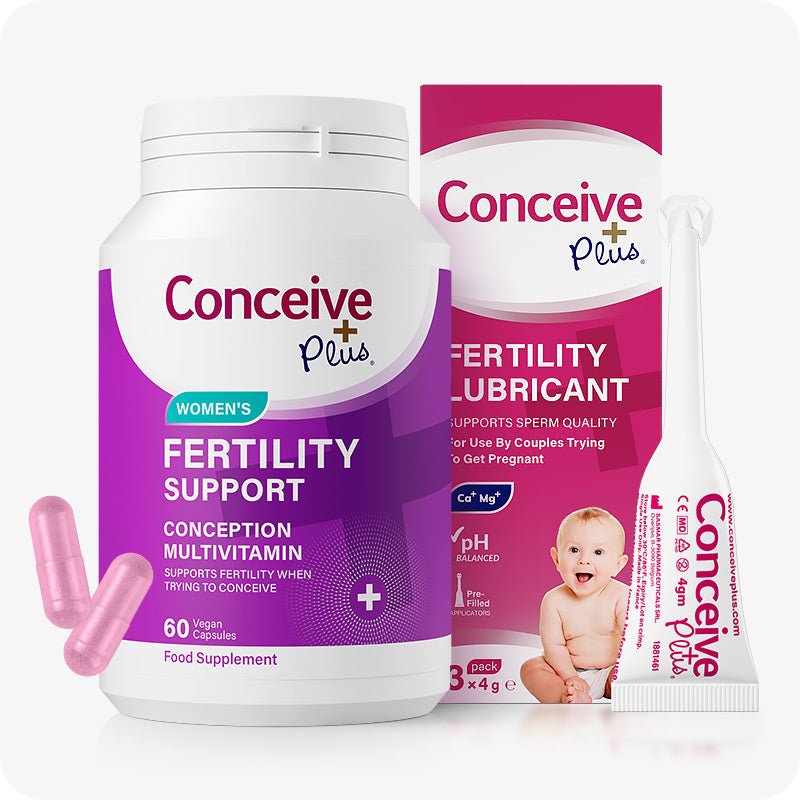
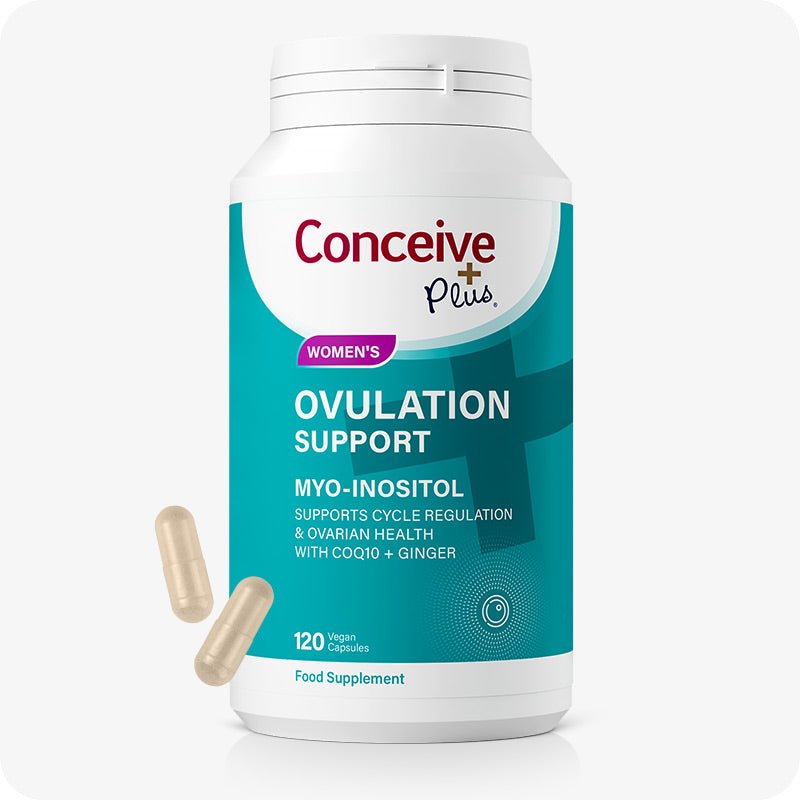
Whether you're just beginning your fertility journey or have been trying for some time, Conceive Plus offers a carefully developed range of products designed to support both partners. From women's preconception vitamins and ovulation support to men's fertility supplements, each product is grounded in nutritional science and created for couples who are serious about their reproductive health. Browse the full range and find the right support for where you are right now.
Shop the Fertility Range