PCOS and Fertility: How to Improve Your Chances of Getting Pregnant with PCOS


PCOS and Fertility: How to Improve Your Chances of Getting Pregnant with PCOS
Polycystic ovary syndrome (PCOS) is the most common hormonal disorder in women of reproductive age, affecting approximately 1 in 10 women in the UK. Despite its prevalence, PCOS is frequently misunderstood—and many women are incorrectly told they simply cannot conceive. The truth is more nuanced and significantly more hopeful: with the right approach, the majority of women with PCOS can and do get pregnant.
This comprehensive guide explains how PCOS affects fertility, what you can do to improve your chances, and which tools, supplements, and lifestyle changes make the biggest difference. If you've been diagnosed with PCOS and are trying to conceive, this is your starting point.
Understanding PCOS and How It Affects Ovulation
PCOS is fundamentally a hormonal disorder characterised by elevated androgens (male hormones like testosterone), insulin resistance, and disrupted ovulation. The name "polycystic" refers to the appearance of multiple small follicles on the ovaries—though not all women with PCOS have these, and having them doesn't mean you have PCOS by itself.
Fertility is primarily affected because PCOS disrupts ovulation. Rather than releasing one mature egg each cycle, women with PCOS often experience anovulation (no ovulation) or oligoovulation (infrequent ovulation). Without ovulation, conception cannot occur naturally. Additionally:
- Insulin resistance (affecting 70% of women with PCOS) disrupts hormone signalling, contributing to elevated androgens and further suppressing normal follicle development
- Elevated LH levels impair egg quality even when ovulation does occur
- Endometrial dysfunction may reduce implantation success even after fertilisation
- Inflammation—often elevated in PCOS—negatively impacts egg quality and uterine receptivity
The good news: PCOS is highly responsive to lifestyle intervention, targeted supplementation, and medical treatment. Many women with PCOS have abundant eggs (high ovarian reserve) and simply need support to ovulate them consistently.
Tracking Ovulation with PCOS: What Works
Looking for fertility support? Shop Conceive Plus — clinically formulated products to support your conception journey.
Standard ovulation predictor kits (OPKs) can be unreliable for women with PCOS. Because PCOS causes chronically elevated LH, women may see multiple "false positives" on OPK strips without actual ovulation occurring. This leads to mistimed intercourse and unnecessary anxiety.
Better approaches for PCOS:
- Advanced fertility monitors that track both LH and estrogen (such as the Clearblue Advanced Monitor) are more reliable as they look at the estrogen rise preceding the LH surge
- Basal body temperature (BBT) tracking confirms ovulation has occurred via the post-ovulatory temperature rise—useful paired with other methods
- Transvaginal ultrasound monitoring (follicular tracking)—if working with a reproductive specialist—provides definitive confirmation of follicle development and release
- Progesterone testing at day 21 (or 7 days post-ovulation) confirms whether ovulation occurred; a result above 30 nmol/L indicates ovulation
For women with very irregular cycles, tracking becomes essential rather than optional. When ovulation is unpredictable, timing intercourse without tracking means you could easily miss the fertile window entirely. Regular use of a comprehensive tracking approach helps identify the pattern—even in irregular cycles, most women do ovulate, just less predictably.
Diet and Lifestyle: The Most Powerful Tools for PCOS Fertility
No other intervention has a broader impact on PCOS fertility than diet and lifestyle. The underlying drivers of PCOS—insulin resistance and inflammation—are both highly responsive to what you eat and how you move.
The Low-GI Diet for PCOS
A low glycaemic index diet reduces insulin spikes, addressing a root driver of PCOS. Studies show women with PCOS on a low-GI diet see significant improvements in menstrual regularity, with one RCT showing 95% of women restoring regular periods versus 63% on a macronutrient-matched standard healthy diet.
Key principles:
- Choose whole grains over refined carbohydrates (quinoa, oats, brown rice over white bread, pasta)
- Prioritise protein at every meal to slow glucose absorption
- Include plenty of non-starchy vegetables
- Reduce added sugars and ultra-processed foods
- Include anti-inflammatory fats (olive oil, avocado, fatty fish)
Weight Management
Even a modest weight loss of 5–10% of body weight can restore ovulation in overweight women with PCOS. A landmark study showed that 55–90% of women with PCOS and anovulation who lost 5–10% of body weight spontaneously resumed ovulation. This isn't about achieving a "perfect" BMI—it's about reducing the metabolic burden enough to restore hormonal balance.
Exercise
Resistance training and moderate cardio both improve insulin sensitivity in PCOS. Research suggests 150 minutes of moderate exercise weekly, with 2–3 resistance sessions, as optimal. High-intensity interval training (HIIT) has shown particular promise in improving insulin sensitivity without being excessively time-consuming.
Key Supplements for PCOS Fertility
Several supplements have strong evidence specifically for PCOS-related fertility:
Inositol (Myo-Inositol + D-Chiro-Inositol)
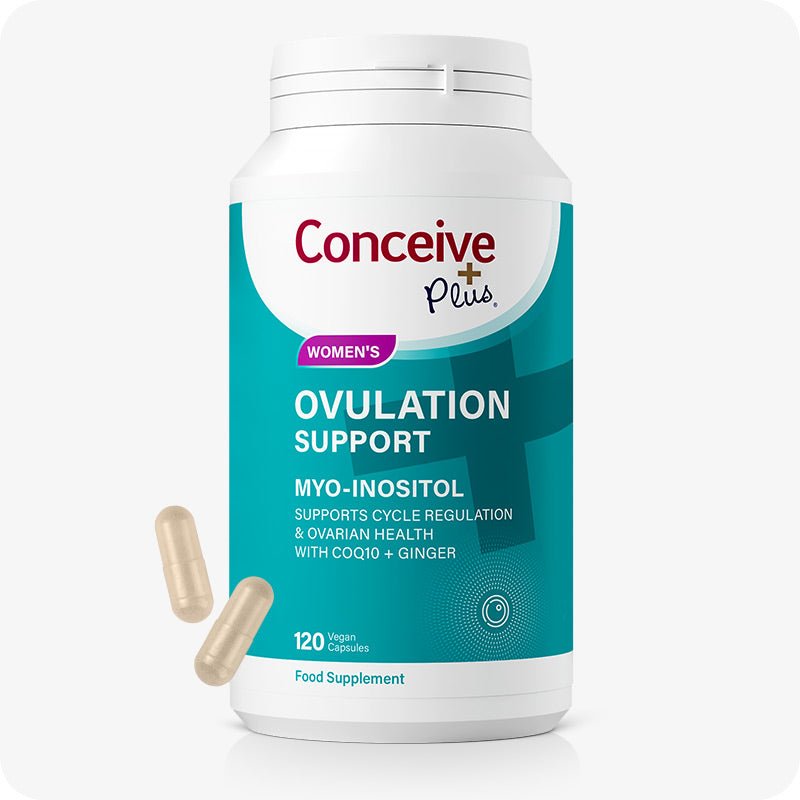
Inositol is arguably the most evidence-backed supplement for PCOS. It improves insulin signalling, reduces androgens, and supports follicular development. The optimal ratio appears to be 40:1 (myo:D-chiro). A 2019 meta-analysis of 13 RCTs found inositol significantly improved ovulation rate, menstrual regularity, AMH levels, and metabolic markers in PCOS.
Vitamin D
Deficiency is extremely common in PCOS (up to 85% of women affected). Vitamin D receptors are present throughout the reproductive system, and supplementation has been shown to improve insulin resistance, reduce androgens, and support follicular development. Target serum levels of 50–70 ng/mL.
Magnesium
Magnesium improves insulin sensitivity and reduces inflammatory markers—both relevant to PCOS. Approximately 50–80% of women with insulin resistance are magnesium deficient. Doses of 200–400mg daily are well tolerated.
N-Acetyl Cysteine (NAC)
NAC has shown comparable efficacy to Metformin for improving insulin sensitivity in PCOS. It also reduces inflammation and oxidative stress. Studies have used doses of 600mg three times daily.
Chromium
Chromium picolinate improves insulin sensitivity and may reduce androgen levels. Studies use 200–1000mcg daily.
Folate (Methylfolate)
Critical regardless of PCOS—essential for neural tube development. As noted, women with MTHFR variants (common in PCOS populations) convert folic acid poorly; methylfolate is the preferred form.
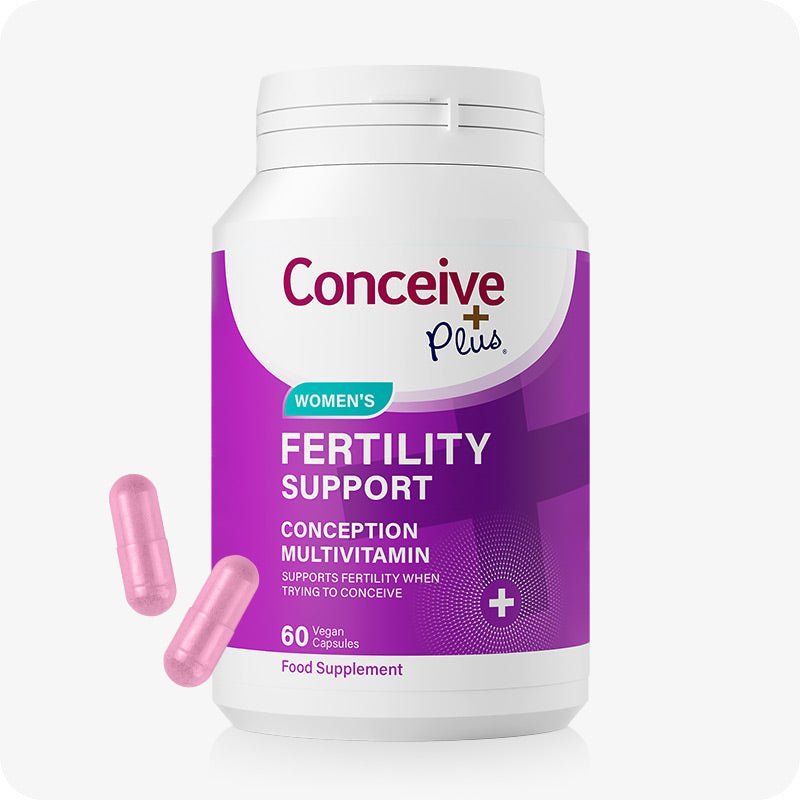
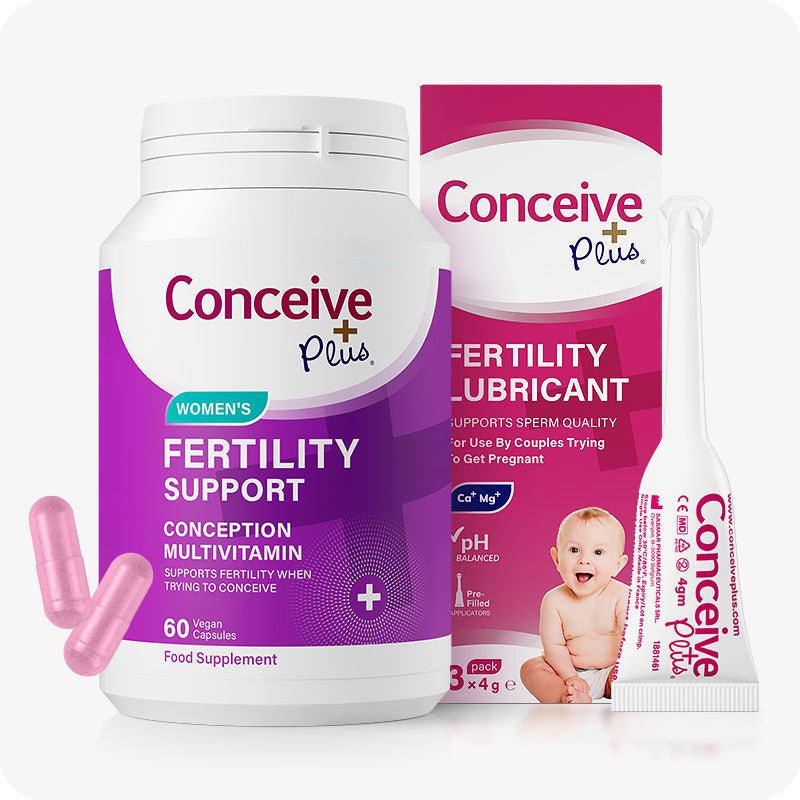
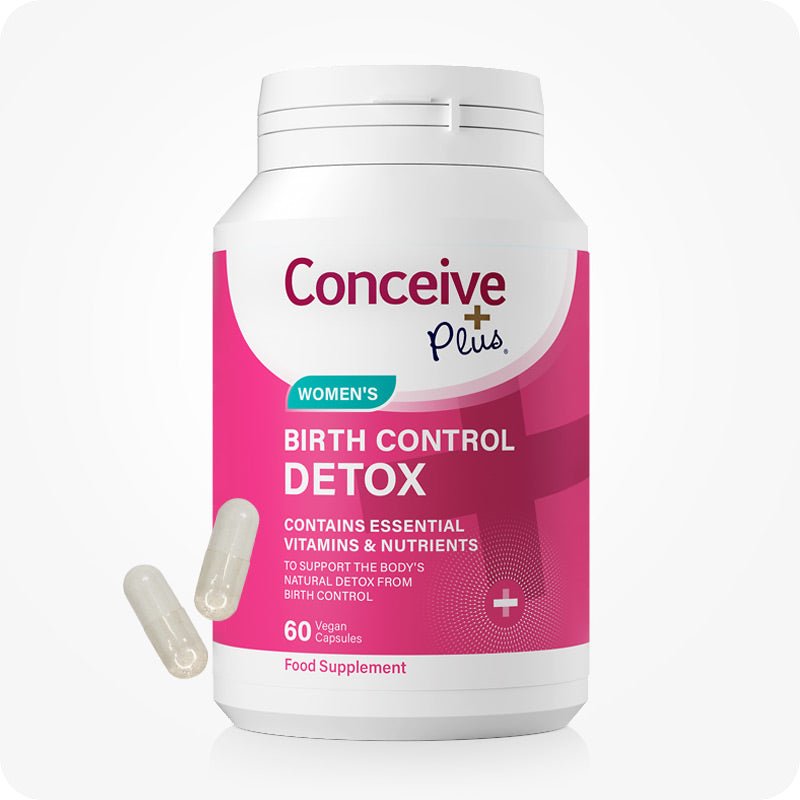
Conceive Plus offers targeted fertility support formulated specifically for women trying to conceive, including key micronutrients in bioavailable forms. When you're managing PCOS alongside a TTC strategy, having a supplement designed for conception—not just general wellness—makes a meaningful difference.
Medical Treatments for PCOS Fertility
If lifestyle intervention and supplementation over 3–6 months hasn't resulted in regular ovulation and conception, medical treatment may be appropriate. Options include:
Clomiphene Citrate (Clomid)
The first-line medical treatment for anovulatory PCOS. Clomid stimulates follicle development by blocking oestrogen receptors, triggering a rise in FSH. Ovulation is induced in 60–80% of women, with cumulative pregnancy rates of 30–40% over six cycles.
Letrozole (Femara)
An aromatase inhibitor now preferred over Clomid by many specialists for PCOS. Studies show higher ovulation and live birth rates than Clomid in PCOS populations, with lower multiple pregnancy risk. The NICHD trial found live birth rates of 27.5% with letrozole vs 19.1% with Clomid in PCOS.
Metformin
An insulin-sensitising drug that reduces androgen levels and may restore ovulation in women with PCOS. Often used alongside Clomid or letrozole to improve response. Particularly useful for women with marked insulin resistance or those who don't respond to ovulation induction alone.
Laparoscopic Ovarian Drilling
A surgical option for women who don't respond to ovulation induction medications. Small holes are made in the ovary to reduce androgen-producing tissue, restoring hormonal balance. Effective in up to 80% of cases, with benefit lasting 1–2 years.
IVF
When other approaches fail, IVF bypasses ovulation entirely by retrieving eggs directly. Women with PCOS typically have high ovarian reserve (many eggs), making them good candidates for IVF. The main risk is ovarian hyperstimulation syndrome (OHSS)—managed through careful protocol selection and GnRH agonist triggering.
The Role of Fertility-Safe Lubricant in PCOS TTC
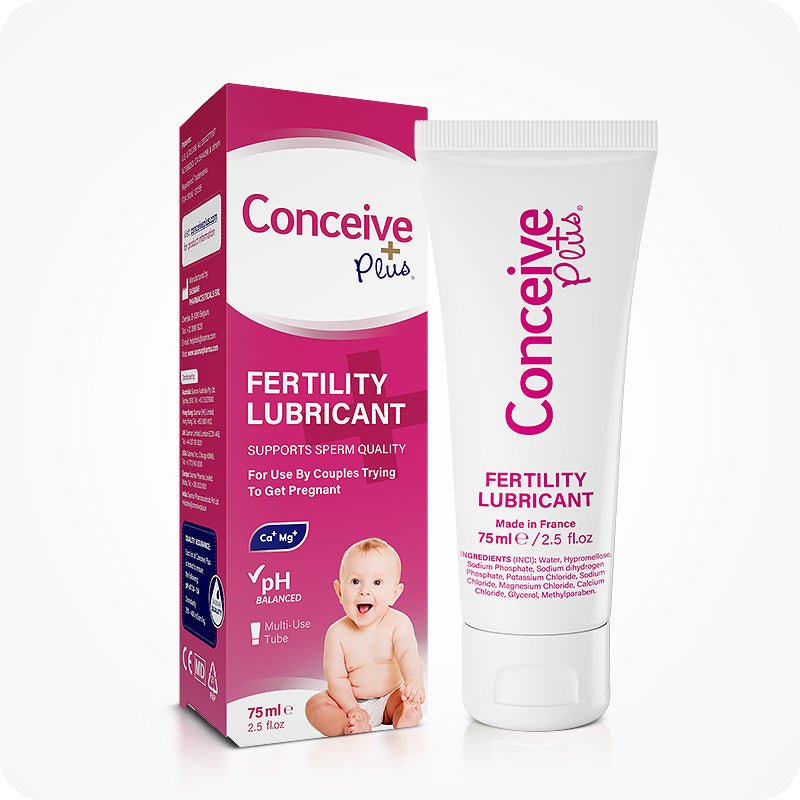
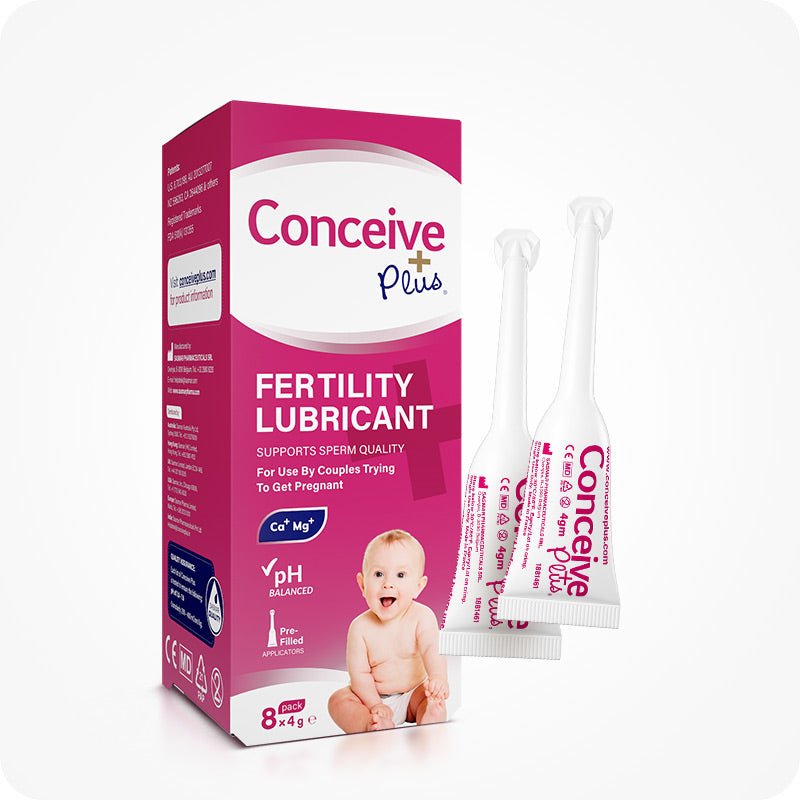
When trying to conceive with PCOS, every element of your strategy matters—including the lubricant you use during intercourse. Standard lubricants reduce sperm motility by up to 89% within 30 minutes, potentially negating even well-timed intercourse during a rare ovulatory cycle.
Conceive Plus is formulated to protect sperm function during the journey to fertilisation. Its physiological pH (matching fertile cervical mucus), isotonic formulation, and calcium-magnesium ion content make it the optimal lubricant choice when you're managing PCOS and trying to conceive. During fertile windows that may be fewer and further between than in women without PCOS, protecting every intercourse attempt from lubricant-related sperm damage is particularly important.
Available from conceiveplus.co.uk, Conceive Plus fertility lubricant and supplement range is designed specifically for couples trying to conceive.
Emotional Wellbeing and PCOS Fertility
Trying to conceive with PCOS is emotionally demanding. The uncertainty of irregular cycles, repeated negative tests, and the complexity of managing a hormonal condition while trying to get pregnant creates significant psychological burden. Research shows women with PCOS have higher rates of anxiety and depression than the general population, and stress hormones can further disrupt the already-disrupted hormonal environment.
Practical support strategies:
- Connect with PCOS community groups: Knowing others are navigating the same challenges reduces isolation
- Mind-body practices: Yoga, meditation, and mindfulness have been shown in RCTs to reduce cortisol and improve quality of life in fertility patients
- Counselling: Fertility-specialist therapists or CBT-trained psychologists can provide evidence-based tools for managing uncertainty
- Acupuncture: While evidence is mixed, many women with PCOS report improved cycle regularity and reduced stress with regular sessions
- Focus on controllables: Diet, supplements, sleep, and exercise are within your control—redirect energy to these rather than outcomes you can't control
Frequently Asked Questions: PCOS and Fertility
Can I get pregnant naturally with PCOS?
Yes. Many women with PCOS conceive naturally, particularly after lifestyle modifications that restore more regular ovulation. PCOS is the most common cause of anovulatory infertility, but anovulation is typically treatable. The majority of women with PCOS who receive appropriate treatment achieve pregnancy.
How long does it take to get pregnant with PCOS?
It varies significantly. Women with PCOS who have mostly regular cycles may conceive as quickly as women without PCOS. Those with significant anovulation may take longer and need medical support. With appropriate treatment, most women with PCOS achieve pregnancy within 2–3 years of trying.
Does PCOS get worse as I get older?
PCOS symptoms often change with age. Paradoxically, cycles sometimes become more regular in the mid-to-late 30s as testosterone levels naturally decline. However, fertility also declines with age regardless of PCOS, so earlier treatment is generally better.
Should my partner be tested too?
Absolutely. Male factor infertility is present in up to 50% of couples experiencing difficulty conceiving. Identifying a male factor early avoids spending months optimising PCOS management when the issue requires a different approach entirely.
Is inositol better than Metformin for PCOS fertility?
Several studies suggest myo-inositol has comparable efficacy to Metformin for improving insulin sensitivity in PCOS, with significantly fewer gastrointestinal side effects. Many women prefer starting with inositol as a well-tolerated, accessible supplement before considering pharmaceutical options.
Can stress cause PCOS symptoms to worsen?
Yes. Cortisol directly activates androgen production via the adrenal glands, which can worsen the androgen excess of PCOS. Stress management is a legitimate therapeutic target, not just wellbeing advice.
What tests should I get if I have PCOS and want to try to conceive?
A full hormonal profile (LH, FSH, testosterone, DHEAS, prolactin, thyroid), fasting insulin and glucose, AMH and antral follicle count, and vitamin D levels. Your GP or reproductive specialist can arrange these. Partner semen analysis should be done simultaneously.
Does being vegetarian or vegan affect PCOS fertility?
Plant-based diets can support PCOS management—they tend to be lower GI and anti-inflammatory. The key is ensuring adequate protein, iron, B12, and zinc, which require attention on vegan diets. Supplementation is typically necessary.
Can OPK strips be used at all with PCOS?
Yes, with caution. Standard OPK strips can produce false positives due to chronically elevated LH in PCOS. If using them, track over multiple days to look for the highest reading (true surge) rather than any positive. Advanced monitors that also track oestrogen are more reliable.
How important is sleep for PCOS and fertility?
Very. Poor sleep worsens insulin resistance and cortisol levels, both of which aggravate PCOS. Studies have found sleep deprivation impairs glucose metabolism by 23–25%. Prioritising 7–9 hours of quality sleep per night is an underrated PCOS intervention.
Start your fertility journey with Conceive Plus
Shop Now →