PCOS and Fertility: How to Improve Your Chances of Getting Pregnant with PCOS


PCOS and Fertility: How to Improve Your Chances of Getting Pregnant with PCOS
Polycystic ovary syndrome (PCOS) is the most common hormonal disorder affecting women of reproductive age, with an estimated 1 in 10 women in the UK living with the condition. For many, the diagnosis comes alongside a confusing mix of information — some reassuring, some alarming — about what it means for future pregnancy.
The good news is clear: PCOS does not mean infertility. Millions of women with PCOS conceive naturally, and many more do so with targeted support, lifestyle strategies, and the right fertility tools. This guide walks you through everything you need to know about PCOS and fertility — from understanding why the condition affects ovulation, to practical steps that genuinely improve your chances of getting pregnant.
What Is PCOS and Why Does It Affect Fertility?
Polycystic ovary syndrome is a hormonal condition characterised by elevated androgen (male hormone) levels, irregular or absent ovulation, and — in many but not all women — multiple small follicles visible on the ovaries on ultrasound. Despite the name, not all women with PCOS have cysts, and not all women with ovarian cysts have PCOS.
The core fertility challenge with PCOS is anovulation — irregular or absent ovulation. Without regular ovulation, there's no egg available to fertilise, making natural conception more difficult. The Rotterdam Criteria (the diagnostic standard used by most UK clinicians) requires at least two of three features: irregular periods, elevated androgens (blood test or clinical signs like excess hair/acne), or polycystic ovaries on ultrasound.
The underlying driver in most PCOS cases is insulin resistance. When cells don't respond properly to insulin, the pancreas produces more. Excess insulin signals the ovaries to produce more testosterone, which disrupts the normal hormonal cascade driving ovulation. It's a cascade effect — and understanding it is key to managing PCOS fertility effectively.
Other hormonal disruptions common in PCOS include:
- Elevated LH (luteinising hormone) relative to FSH (follicle-stimulating hormone)
- Elevated AMH (anti-Müllerian hormone) — ironically a sign of large follicle reserves, not poor ovarian reserve
- Low progesterone in the luteal phase (due to irregular ovulation)
- Elevated prolactin in some cases
Ovulation and PCOS: Why Tracking Is Different
Standard ovulation tracking advice assumes a relatively regular cycle. PCOS disrupts this significantly. Many women with PCOS have cycles ranging from 35 to 90+ days, and some experience months without a period at all. This makes predicting ovulation from calendar dates essentially impossible.
OPK (ovulation predictor kit) testing is still valuable for women with PCOS, but requires a different approach:
- Test for longer windows — if your cycle is 40–50 days, start testing from day 10 and continue until you detect a surge
- Be aware of false positives — elevated baseline LH (common in PCOS) can produce false-positive readings. Digital OPKs that require a "peak" (not just a rise) are more reliable
- Combine with BBT — basal body temperature rise confirms actual ovulation occurred after the LH surge
- Consider cycle monitoring — transvaginal ultrasound follicle tracking through your GP or fertility clinic gives definitive confirmation of ovulation
The goal is to identify the cycles in which you do ovulate — because even with PCOS, most women ovulate at least occasionally — and time intercourse precisely for those cycles.
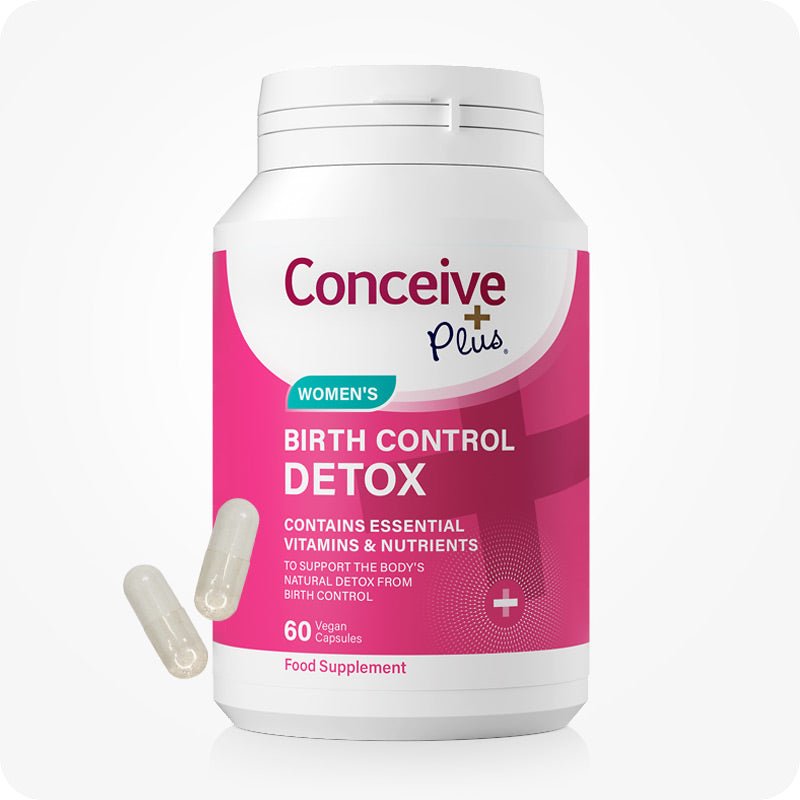
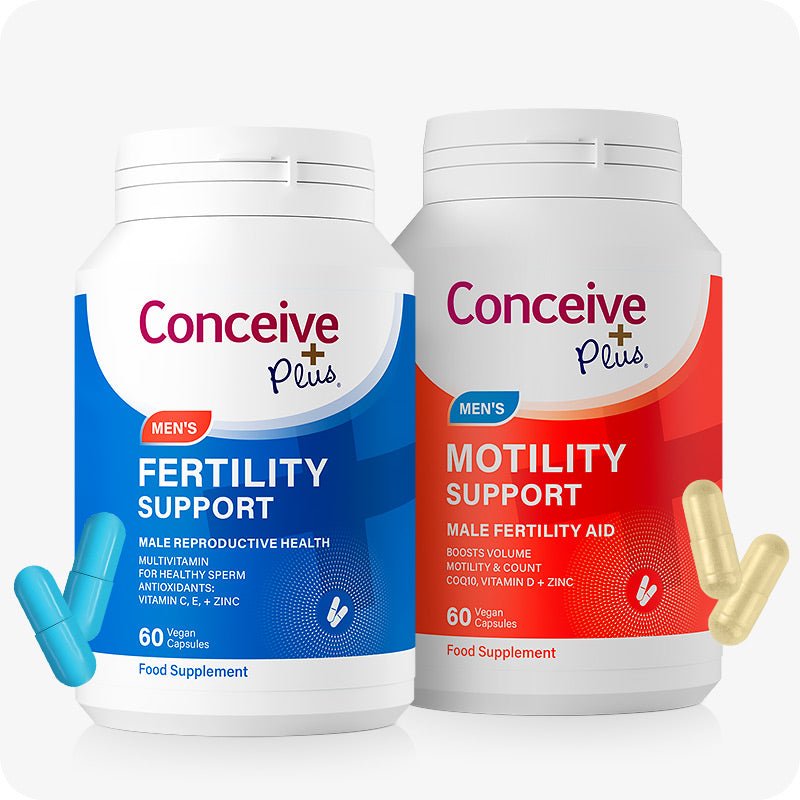
Support your fertility journey with Conceive Plus. Shop Conceive Plus UK — sperm-friendly lubricant, supplements, and prenatal vitamins designed for every TTC journey.
Lifestyle Changes That Make a Real Difference to PCOS Fertility
The relationship between lifestyle and PCOS is unusually strong compared to most medical conditions. Because insulin resistance sits at the root of most PCOS cases, lifestyle interventions targeting insulin sensitivity can produce dramatic improvements in cycle regularity and ovulation frequency.
Diet: The Low Glycaemic Approach
A low glycaemic index (GI) diet reduces blood glucose and insulin spikes, directly targeting the hormonal cascade that suppresses ovulation in PCOS. Studies published in the American Journal of Clinical Nutrition found that women with PCOS following a low-GI diet had significantly improved menstrual regularity compared to conventional low-calorie diets.
Practical low-GI dietary principles:
- Choose wholegrains over refined carbohydrates (oats, brown rice, quinoa over white bread, white pasta)
- Prioritise lean protein at every meal (helps stabilise blood glucose)
- Increase fibre intake (slows glucose absorption)
- Include anti-inflammatory fats (olive oil, avocado, oily fish)
- Limit ultra-processed foods, sugary drinks, and refined snacks
Exercise: Moving for Hormone Balance
Regular physical activity improves insulin sensitivity independently of weight loss. Both aerobic exercise and resistance training have shown benefits for PCOS. A 2020 systematic review in Reproductive Biomedicine Online found that exercise interventions significantly improved ovulation rates in women with PCOS. Aim for 150 minutes of moderate-intensity activity per week, with at least two resistance sessions included.
Weight: Small Changes, Big Impact
For women with PCOS who carry excess weight, even modest weight loss — 5–10% of body weight — can restore ovulation in some women. This isn't about achieving a specific BMI; it's about the hormonal effect of reducing visceral fat (abdominal fat particularly drives insulin resistance). Women at a healthy weight with PCOS also benefit from lifestyle optimisation, as PCOS is a metabolic condition regardless of size.
Supplements for PCOS Fertility: What the Evidence Shows
Several supplements have meaningful clinical evidence for improving PCOS fertility outcomes. These should complement — not replace — medical management, but many women find significant cycle improvement through targeted supplementation.
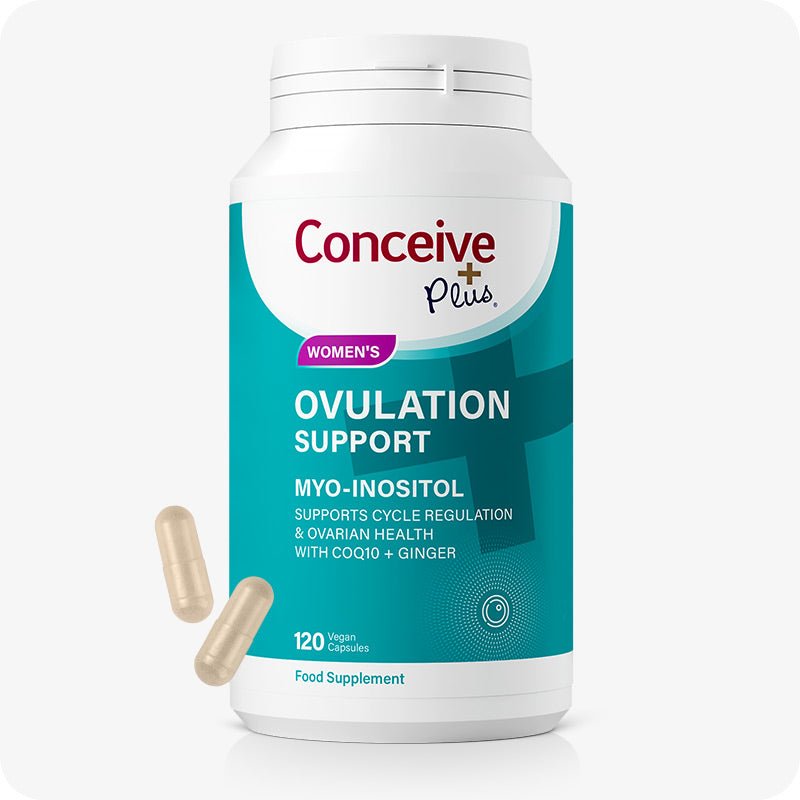
Myo-Inositol: The most extensively studied PCOS supplement. Myo-inositol is an insulin sensitiser that works at the cellular level, improving the insulin signalling cascade. Multiple randomised controlled trials show myo-inositol (typically 2–4g/day) improves cycle regularity, ovulation frequency, and pregnancy rates in PCOS. A large 2015 meta-analysis in Gynecological Endocrinology confirmed significant improvements across all these markers. The 40:1 combination of myo-inositol to D-chiro-inositol has shown particularly strong results.
N-Acetyl Cysteine (NAC): An antioxidant and insulin sensitiser with growing evidence in PCOS. Studies comparing NAC to metformin (the standard PCOS drug treatment) have shown comparable improvements in ovulation rates and pregnancy outcomes in some trials.
Vitamin D: Deficiency is extremely prevalent in PCOS and correlates with worsened metabolic and reproductive outcomes. Supplementation to achieve optimal levels (75–100 nmol/L) improves insulin sensitivity and may improve cycle regularity.
Folate/Methylfolate: Essential preconception for all women, and particularly important for women with PCOS who have higher rates of MTHFR gene variants that impair standard folic acid conversion.
Magnesium: Supports insulin sensitivity and is frequently depleted in women with insulin resistance. 300–400 mg/day magnesium glycinate or malate is well tolerated and commonly deficient in PCOS.
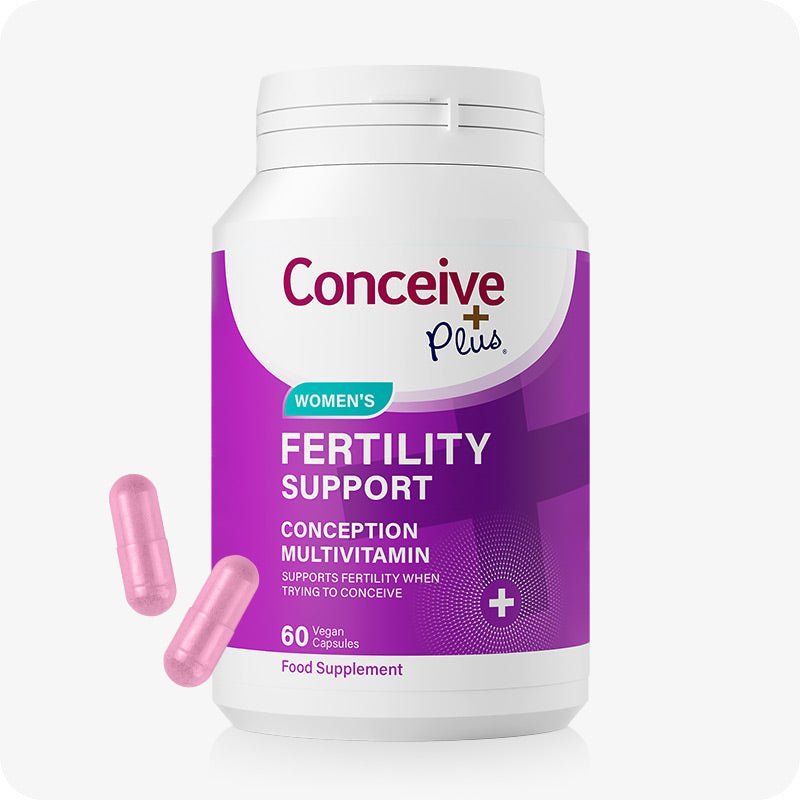
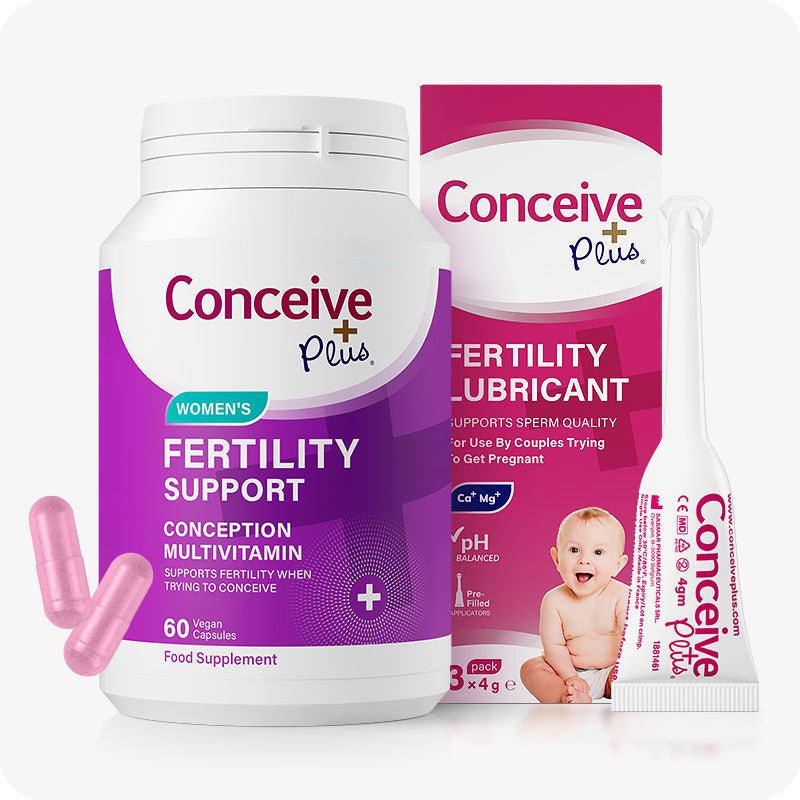
Conceive Plus Women's Fertility Support provides several of these key nutrients in a single supplement formulated for the preconception phase, making it an efficient addition to your PCOS management plan alongside a targeted prenatal vitamin.
Medical Treatments for PCOS and Getting Pregnant
When lifestyle and supplement interventions don't achieve regular ovulation within 3–6 months, or when PCOS is more severe, medical treatments are highly effective. NHS guidance and NICE guidelines support several first-line and second-line options:
Clomifene Citrate (Clomid): The traditional first-line ovulation induction treatment for PCOS. Clomid works by blocking oestrogen receptors in the brain, triggering the pituitary to produce more FSH and stimulating follicle development. It induces ovulation in around 70–80% of PCOS women who take it, with cumulative pregnancy rates of 40–60% over multiple cycles.
Letrozole: An aromatase inhibitor originally developed for breast cancer treatment, letrozole has become the preferred first-line agent in many fertility centres for PCOS ovulation induction. Multiple studies — including a landmark NEJM trial — show higher live birth rates with letrozole than Clomid in PCOS. It has a more favourable side effect profile and lower multiple pregnancy risk.
Metformin: An insulin sensitiser widely used in PCOS management. Metformin alone induces ovulation in a subset of women and significantly enhances the effectiveness of Clomid when combined. It's often prescribed as first-line management before fertility-specific treatments.
Gonadotrophins: Injectable FSH to directly stimulate follicle development. Used when oral agents fail or for IUI cycles. Requires close monitoring due to hyperstimulation risk.
IVF: Highly effective for PCOS — women with PCOS typically have high egg yields with controlled ovarian stimulation, often producing excellent embryo numbers. The main risk is OHSS (ovarian hyperstimulation syndrome), which is managed through careful protocol selection.
Fertility-Friendly Lubricant and PCOS
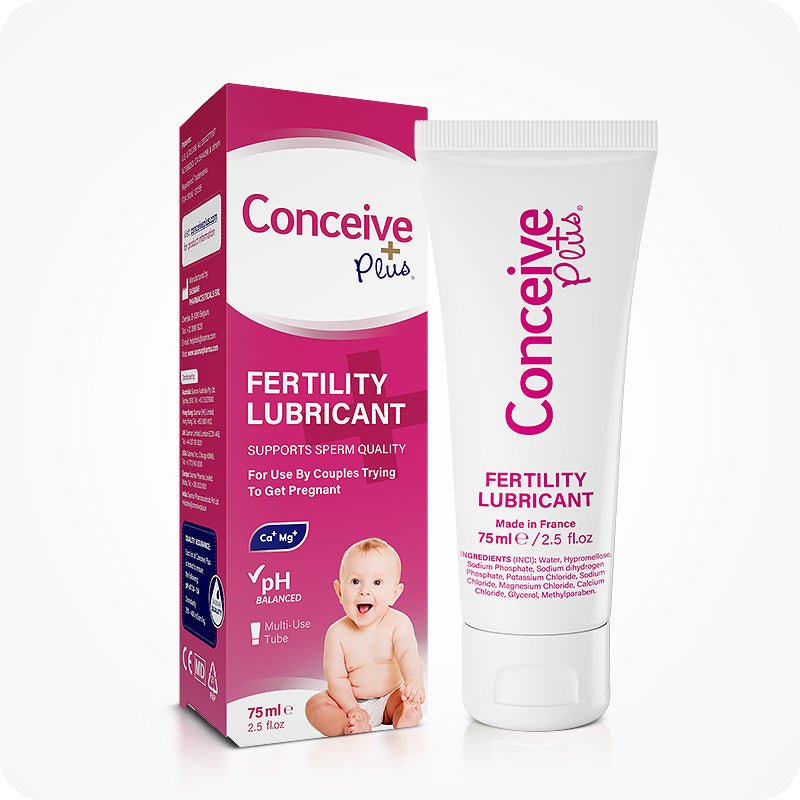
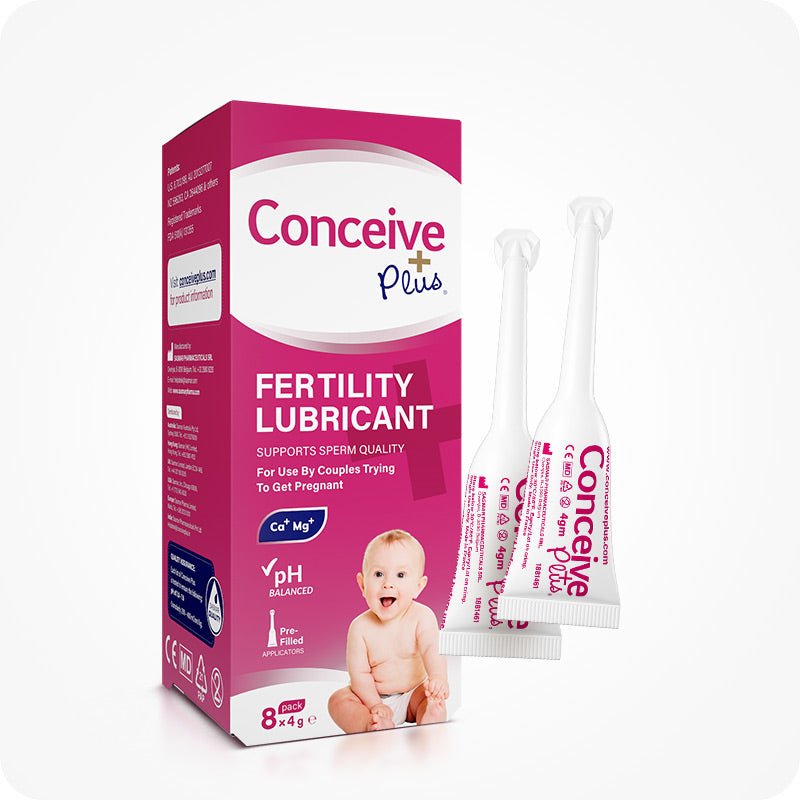
Women with PCOS often experience reduced natural cervical mucus production, particularly around ovulation — partly because irregular LH patterns can disrupt the normal fertile mucus window. Using a fertility-safe lubricant like Conceive Plus during your fertile window supports sperm motility and comfort without the spermicidal effects of standard lubricants.
Conceive Plus is pH balanced to match fertile cervical mucus (pH 7–8) and contains calcium and magnesium ions that support sperm function. For women with PCOS navigating irregular cycles, it's a practical addition to the TTC toolkit — removing one barrier without adding complexity.
Emotional Wellbeing: Managing the PCOS Fertility Journey
The psychological impact of PCOS and infertility is significant and underappreciated. Research shows women with PCOS have higher rates of anxiety and depression than the general population — driven by hormonal factors, cycle unpredictability, and the stress of fertility challenges.
Practical wellbeing strategies:
- Connect with community: PCOS UK, Verity, and online TTC communities provide non-judgmental support from people who genuinely understand
- Manage the two-week wait mindfully: Cognitive behavioural techniques, mindfulness apps, and limiting compulsive testing all help
- Keep perspective on timelines: PCOS fertility challenges are real but very commonly overcome — many women require a few more cycles than average but achieve successful pregnancies
- Seek professional support early: If anxiety or depression is significantly affecting quality of life, talking to your GP or a fertility counsellor is a sign of strength, not weakness
Frequently Asked Questions: PCOS and Getting Pregnant
Q: Can I get pregnant naturally with PCOS?
A: Yes — many women with PCOS conceive without medical intervention. The key is identifying the cycles in which you do ovulate and timing intercourse accurately. Lifestyle optimisation significantly helps.
Q: How long does it typically take to get pregnant with PCOS?
A: It varies widely. Women with PCOS who ovulate regularly may take a similar time to women without the condition. Those with infrequent ovulation naturally have fewer opportunities per year. Medical ovulation induction significantly accelerates the timeline.
Q: Does PCOS cause miscarriage?
A: PCOS is associated with slightly elevated miscarriage rates, thought to be related to insulin resistance and hormonal factors. Metformin is sometimes prescribed through early pregnancy to reduce this risk. Good preconception health optimisation helps.
Q: Does weight affect PCOS fertility?
A: For women with PCOS who have excess weight, weight loss can significantly improve ovulation frequency. Even 5–10% body weight reduction produces meaningful hormonal improvements. However, women at a healthy weight or with lean PCOS still benefit from lifestyle optimisation.
Q: Is Clomid or letrozole better for PCOS?
A: Current evidence from clinical trials favours letrozole for PCOS ovulation induction due to higher live birth rates and a better side effect profile. Your fertility specialist will advise based on your individual situation.
Q: Can supplements replace Metformin for PCOS?
A: Myo-inositol has shown comparable effects to Metformin in some smaller trials, but the evidence base for Metformin is stronger and more established. Supplements complement but should not replace medically prescribed treatments without specialist input.
Q: What fertility tests should I have with PCOS?
A: Initial investigations typically include day 2–5 FSH, LH, oestradiol, AMH, testosterone, DHEAS, prolactin, and thyroid function. Pelvic ultrasound assesses ovarian morphology. Partner semen analysis should happen in parallel.
Q: Does Conceive Plus help with PCOS?
A: Conceive Plus fertility lubricant and supplements support conception by optimising the conditions for sperm and egg meeting — they don't treat PCOS directly. Combined with appropriate PCOS management, they address complementary aspects of the fertility journey.
Q: When should I see a fertility specialist for PCOS?
A: UK guidelines suggest seeing a GP after 12 months of trying (or 6 months if over 35). With a known PCOS diagnosis affecting ovulation, consider consulting a gynaecologist or fertility specialist proactively — particularly if your cycles are very irregular.
Give your PCOS fertility journey the right support. Explore Conceive Plus UK — fertility-safe lubricant, targeted supplements, and prenatal vitamins for every step of your TTC path.