Ovulation Tracking: The Complete Guide to Knowing Your Fertile Window


Ovulation Tracking: The Complete Guide to Knowing Your Fertile Window
Understanding your menstrual cycle is one of the most powerful things you can do when you are trying to conceive. Ovulation tracking gives you clarity — not guesswork — about the exact days each month when conception is possible. Whether you have been trying for a few months or are just beginning your journey to parenthood, mastering the art and science of ovulation tracking can make a real difference to your chances of success.
This comprehensive guide covers every method of ovulation tracking, the science behind your fertile window, the factors that affect ovulation timing, and how Conceive Plus supports ovulation and overall reproductive health.
What Is Ovulation and Why Does Tracking It Matter?
Ovulation is the release of a mature egg from one of your ovaries. It is the pivotal moment in your menstrual cycle — the event without which conception is impossible. For the average woman with a 28-day cycle, ovulation occurs around day 14. But cycle length varies enormously between women and from cycle to cycle in the same woman, which is precisely why ovulation tracking is so valuable.
The fertile window — the days when intercourse can result in pregnancy — is surprisingly short. Sperm can survive inside the female reproductive tract for up to five days, but the egg lives for only 12 to 24 hours after release. This means your true window for conception is roughly six days per cycle: the five days before ovulation and the day of ovulation itself.
Research published in the New England Journal of Medicine found that the probability of conception was highest when intercourse occurred on the day of ovulation (probability 0.33) and declined sharply with each day before or after. Missing your fertile window entirely means waiting for the next cycle. Accurate ovulation tracking removes that uncertainty.
Ovulation Tracking Method 1: Basal Body Temperature (BBT) Charting
Basal body temperature (BBT) is your lowest body temperature, measured immediately upon waking — before you do anything else. When progesterone rises after ovulation, your BBT increases by approximately 0.2°C. By charting this temperature daily, you can confirm that ovulation has occurred.
The key limitation of BBT charting as an ovulation tracking tool is that it is retrospective. The temperature rise confirms ovulation has already happened; it does not predict when it will occur. BBT charting is most useful when used over several cycles to identify your personal ovulation pattern, so you can anticipate the fertile window in future cycles.
To chart effectively:
- Take your temperature at the same time each morning before getting out of bed
- Use a dedicated basal thermometer (accurate to 0.1°C)
- Record any variables — illness, alcohol, travel, poor sleep — that might artificially elevate your BBT
- Chart for at least 2–3 cycles before drawing conclusions about your ovulation pattern
Ovulation Tracking Method 2: LH Surge Testing (OPKs)
Ovulation predictor kits (OPKs) detect the surge in luteinising hormone (LH) that triggers egg release approximately 24–36 hours later. This makes them the most effective widely available tool for predicting — not just confirming — ovulation, and therefore the most actionable form of ovulation tracking for most couples.
LH surges typically last 24–48 hours. Standard OPKs show a positive result when LH reaches a threshold level. Advanced digital OPKs (such as Clearblue Advanced) also detect the rise in oestrogen that precedes the LH surge, giving additional advance warning and extending your identified fertile window.
Tips for accurate OPK testing:
- Test at the same time each day, ideally in the afternoon (between 10am and 8pm) when LH levels tend to peak
- Reduce fluid intake for 2 hours before testing to avoid diluting the sample
- Begin testing a few days before your expected ovulation — typically day 10 for a 28-day cycle, earlier for shorter cycles
- Test twice daily during the days around expected ovulation to avoid missing a short LH surge
Ovulation Tracking Method 3: Cervical Mucus Monitoring
Your cervical mucus changes throughout your cycle in ways that reflect your hormonal status and directly indicate your fertility. As oestrogen rises in the approach to ovulation, cervical mucus becomes more abundant, clearer, and more stretchy — often described as resembling raw egg white. This "fertile quality" mucus allows sperm to survive and swim toward the egg; at other times in the cycle, mucus forms a barrier hostile to sperm.
Monitoring cervical mucus as part of your ovulation tracking practice is free, requires no equipment, and provides real-time information about your fertility status. The Billings Ovulation Method and the Creighton Model are structured approaches to mucus monitoring with established reliability data.
What to look for each day:
- Post-menstrual days: Dry, little or no mucus
- Approaching ovulation: Creamy, white or yellow mucus — not yet fertile
- Peak fertility: Clear, slippery, stretchy mucus (fertile-quality)
- Post-ovulation: Return to thick, tacky or dry mucus
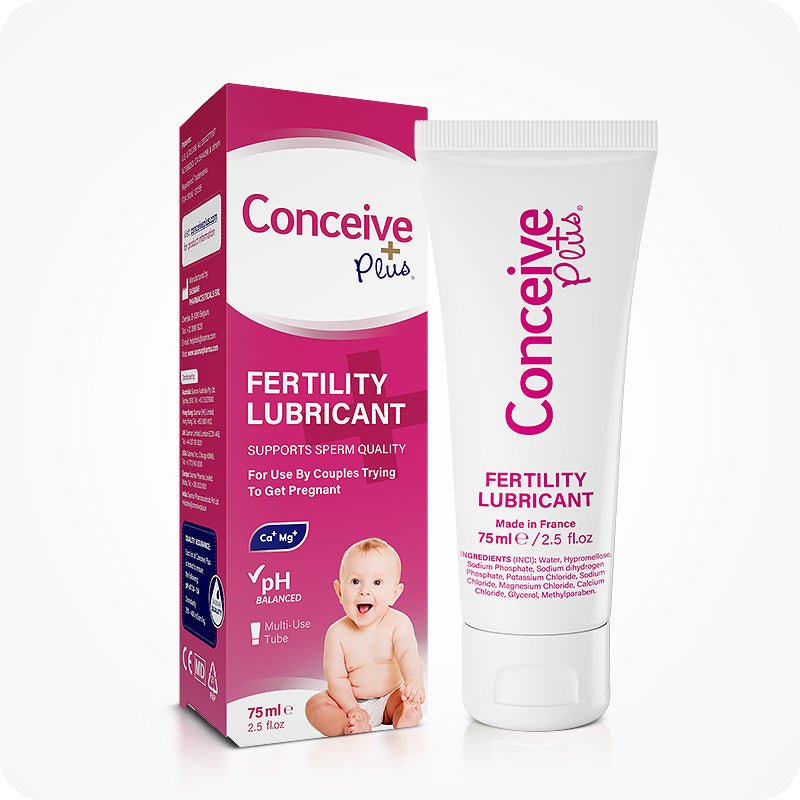
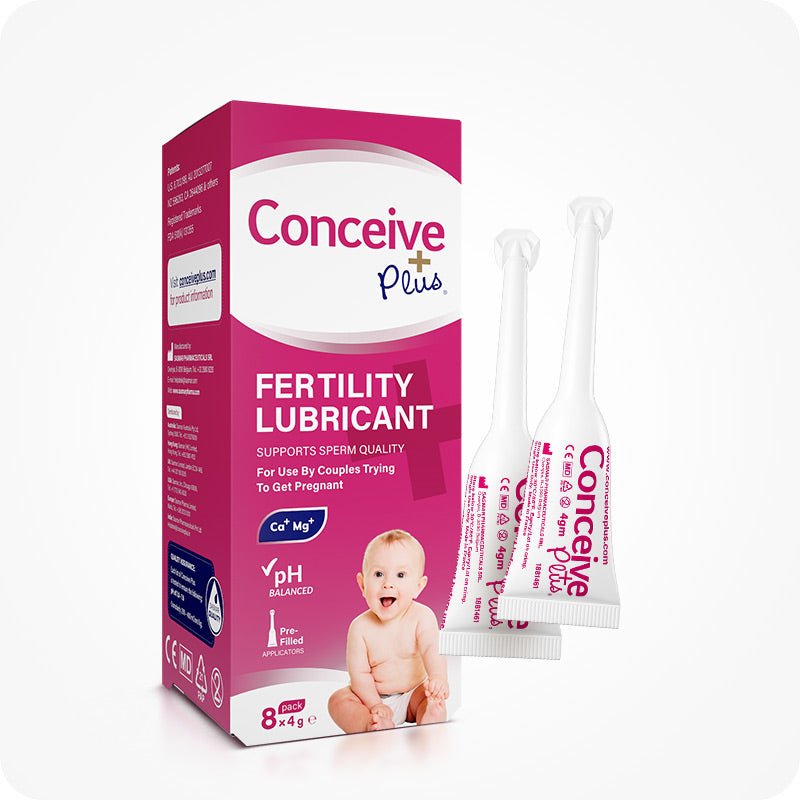
Women with PCOS, those who have recently stopped hormonal contraception, or those taking certain medications may find cervical mucus monitoring more difficult to interpret. Conceive Plus fertility lubricant can supplement reduced natural mucus without disrupting ovulation tracking observations — it mimics fertile quality mucus biochemically but should be distinguished from your own natural mucus when making observations.
🌿 Support your ovulation naturally
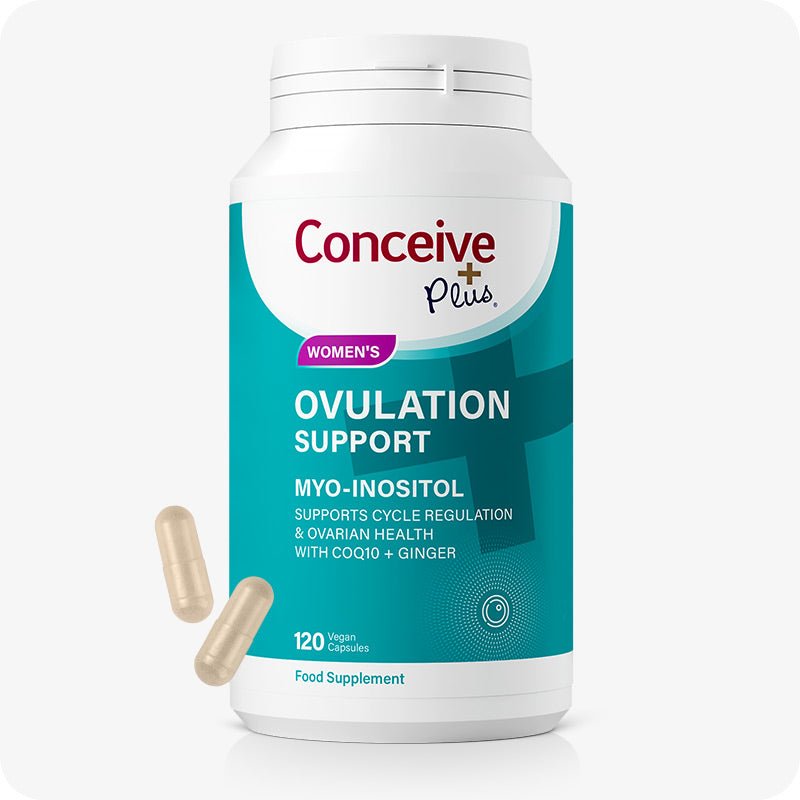
Conceive Plus Ovulation Support provides the key nutrients your body needs for healthy, regular ovulation — including inositol, vitamin D, and folate.
Shop Conceive Plus Ovulation Support →
Ovulation Tracking Method 4: Fertility Monitors
Dedicated fertility monitors such as the Clearblue Fertility Monitor and the Mira Fertility Monitor take OPK technology a step further by tracking multiple hormones over time and building a personalised profile of your cycle. They typically measure both LH and oestrone-3-glucuronide (E3G, a metabolite of oestrogen), providing a wider view of your fertile window.
The Mira monitor stands out for quantifying exact hormone levels rather than just indicating positive/negative thresholds. This is particularly useful for women with PCOS (who may have persistently elevated LH), perimenopause, or irregular cycles where standard OPKs may be difficult to interpret.
Fertility monitors represent a larger upfront investment but can significantly improve the precision of your ovulation tracking, particularly for cycles that don't follow standard patterns.
Ovulation Tracking Method 5: Cycle Tracking Apps
Fertility apps such as Natural Cycles, Ovia, Flo, and Clue range from basic period trackers to sophisticated algorithmic tools that integrate BBT data, LH readings, and symptom logs to predict your fertile window. Natural Cycles is the only app to date that has received regulatory clearance as a form of birth control — an indication of its algorithmic precision.
The key to maximising app-based ovulation tracking is consistent, accurate data input. Apps improve their predictions over cycles as they build a dataset of your personal patterns. The more data you provide — BBT daily, LH test results, mucus observations — the more accurate the predictions become.
Apps are best used as part of a multi-method approach rather than as a standalone tool, particularly in the first few cycles of tracking.
Factors That Affect Ovulation Timing
Even if your cycles are normally regular, numerous factors can shift the timing of ovulation from month to month. Understanding these variables is an important part of effective ovulation tracking:
- Stress: High cortisol levels can suppress the LH surge and delay or prevent ovulation. Chronic stress is a known cause of irregular cycles and anovulatory cycles.
- Illness: Any acute illness that causes fever can disrupt hormonal signalling and shift ovulation timing.
- Body weight: Both underweight (BMI below 18.5) and overweight (BMI above 30) are associated with irregular ovulation. Adipose tissue is hormonally active and can disrupt the delicate hormonal balance of the menstrual cycle.
- Thyroid function: Both hypothyroidism and hyperthyroidism can disrupt menstrual cycles and ovulation. If your cycles are very irregular, thyroid testing is an important early investigation.
- Polycystic ovary syndrome (PCOS): PCOS affects up to 20 per cent of women of reproductive age and is the leading cause of ovulatory dysfunction. Ovulation tracking in PCOS requires a nuanced approach — LH levels may be persistently elevated, and cycles can be long and unpredictable.
- Perimenopause: As ovarian reserve declines, ovulation becomes less predictable and may be absent in some cycles. Ovulation tracking remains useful but should be interpreted alongside hormonal testing.
- Recent hormonal contraception: It can take several cycles for ovulation to regularise after stopping the pill or hormonal implant. Tracking from the first post-contraception cycle establishes a baseline.
- Travel and time zone changes: Circadian rhythm disruption can temporarily shift ovulation timing.
- Intense exercise: Athletes and those undergoing very high exercise volumes may experience disrupted ovulation or hypothalamic amenorrhoea.
Ovulation Support: Nutrients That Help
Several nutrients have robust evidence supporting their role in promoting healthy, regular ovulation:
Myo-inositol: The most extensively researched supplement for ovulation support. Multiple randomised controlled trials have demonstrated that myo-inositol improves menstrual regularity and ovulation frequency in women with PCOS. Research from the European Review for Medical and Pharmacological Sciences found that myo-inositol supplementation significantly improved spontaneous ovulation rates compared to placebo.
Vitamin D: Vitamin D receptors are present in ovarian tissue and the uterus. Deficiency is strongly associated with irregular ovulation and reduced fertility. A meta-analysis in Human Reproduction Update found that vitamin D sufficiency was associated with significantly higher clinical pregnancy rates in IVF cycles.
Folate (methylfolate): While best known for its role in preventing neural tube defects, adequate folate is also essential for proper cell division during follicle development and egg maturation.
Zinc: Required for the synthesis of reproductive hormones including FSH, LH, and oestrogen. Zinc deficiency is associated with ovulatory dysfunction.
Coenzyme Q10 (CoQ10): As ovarian reserve declines with age, mitochondrial function in eggs decreases. CoQ10 supports mitochondrial energy production and has been shown to improve egg quality in older women.
Conceive Plus Ovulation Support provides these key nutrients in evidence-based doses, designed specifically for women who want to support regular, healthy ovulation alongside their ovulation tracking practice.
When to Seek Medical Advice About Ovulation
While ovulation tracking is a powerful tool for most women, there are situations where medical investigation is appropriate:
- Cycles consistently shorter than 21 days or longer than 35 days
- Absent periods (amenorrhoea)
- OPK tests that never show a positive result over multiple cycles
- No BBT rise observed over multiple charted cycles
- Symptoms suggesting PCOS: irregular cycles, excess hair growth, acne, weight gain around the middle
- Trying to conceive for more than 12 months without success (or 6 months if aged over 35)
- History of two or more miscarriages
A GP can arrange initial hormonal blood tests (day 2–3 FSH and LH; day 21 or day 7 post-ovulation progesterone) and an ultrasound to assess ovarian reserve and structure. This information, combined with your ovulation tracking data, gives a clear picture of your reproductive health.
🌿 Track smarter, conceive sooner
Pair your ovulation tracking with Conceive Plus fertility supplements — formulated to support regular ovulation and reproductive health.
Explore Conceive Plus Ovulation Support →
Frequently Asked Questions: Ovulation Tracking
How accurate is ovulation tracking?
When methods are combined (BBT + OPK + cervical mucus), ovulation tracking accuracy is very high — studies suggest over 90% detection of the fertile window in women with regular cycles. Single methods alone are less reliable. App-based predictions in the first cycle are estimates only; they improve significantly with data input over multiple cycles.
Can you ovulate more than once per cycle?
No — not in the same cycle beyond a single 24-hour window. What can happen is "follicular waves," where multiple follicles mature at different times. If two follicles release eggs within the same 24-hour period (double ovulation), this is how non-identical twins are conceived. But second ovulations in the same cycle beyond day one of the original ovulation do not occur.
Can stress prevent ovulation?
Yes. Psychological or physiological stress elevates cortisol, which can suppress GnRH (gonadotropin-releasing hormone) and delay or inhibit the LH surge that triggers ovulation. This is one reason why cycles can become irregular during stressful periods.
Why does my OPK never turn positive?
Several explanations are possible: testing at the wrong time of day, an LH surge that is very brief (some women surge and return to baseline within 10–12 hours), PCOS causing persistently elevated LH that makes threshold-based OPKs unreliable, or true anovulatory cycles. Switching to quantitative OPKs (like Mira) or seeing a GP for hormonal blood tests can provide clarity.
How many days before ovulation should I have intercourse?
The highest probability of conception comes from intercourse on the day of ovulation and the two days immediately before. Having sex every other day throughout your fertile window (the 5 days before ovulation plus the day of ovulation) covers this window effectively.
Does the quality of cervical mucus matter?
Yes, significantly. Fertile-quality cervical mucus (clear, slippery, egg-white consistency) is not just a symptom of approaching ovulation — it actively facilitates sperm survival and motility. Research from the Journal of Reproductive Medicine confirmed that conception rates are substantially higher in cycles where women observe fertile-quality mucus at the time of intercourse.
Can supplements help regulate ovulation?
Yes. Myo-inositol, vitamin D, zinc, and folate all have evidence supporting their role in ovulatory function. Conceive Plus Ovulation Support combines these nutrients in an evidence-based formula designed for women who want to support regular ovulation.
How long does it take to get pregnant once you start tracking ovulation?
Studies suggest that couples who correctly identify and time intercourse during the fertile window have a 20–30% chance of conception per cycle, with approximately 85% conceiving within one year. The improvement from accurate ovulation tracking versus no tracking is estimated at 2–3 months less time to conception on average.
Can ovulation tracking work for irregular cycles?
Yes, though it requires more vigilance. With irregular cycles, start OPK testing earlier (from day 8–10), test twice daily, and do not rely on calendar-based predictions. BBT charting over multiple cycles will reveal your average ovulation timing even if cycles vary. Fertility monitors with personalised algorithms handle irregular cycles better than standard OPKs.
Is natural family planning (NFP) effective as contraception?
When taught properly and followed strictly, modern NFP methods (which incorporate ovulation tracking including mucus monitoring and BBT) have typical-use failure rates of around 2–3% per year — comparable to hormonal contraception in perfect use. However, they require training, commitment, and careful practice. This guide focuses on using ovulation tracking to achieve pregnancy rather than avoid it.
Knowing when you ovulate is the foundation of trying to conceive effectively. Whether you are just beginning or have been on this journey for a while, investing in accurate ovulation tracking and supporting your reproductive health with the right nutrients gives your efforts the best possible foundation.